 Alemanha
 Brasil
 English (UK)
 Espanha
 França
 Portugal

Azores
Discover the Azores Island, Portugal
- Ideal for
-
- Nature
- Adventure
- Recommended days
- 5 to 8 days
- Best time to visit
-
- January
- February
- March
- April
- May (recommended)
- June (recommended)
- July
- August
- September (recommended)
- October
- November
- December
- Suggested base
- Ponta Delgada
About the Azores Islands
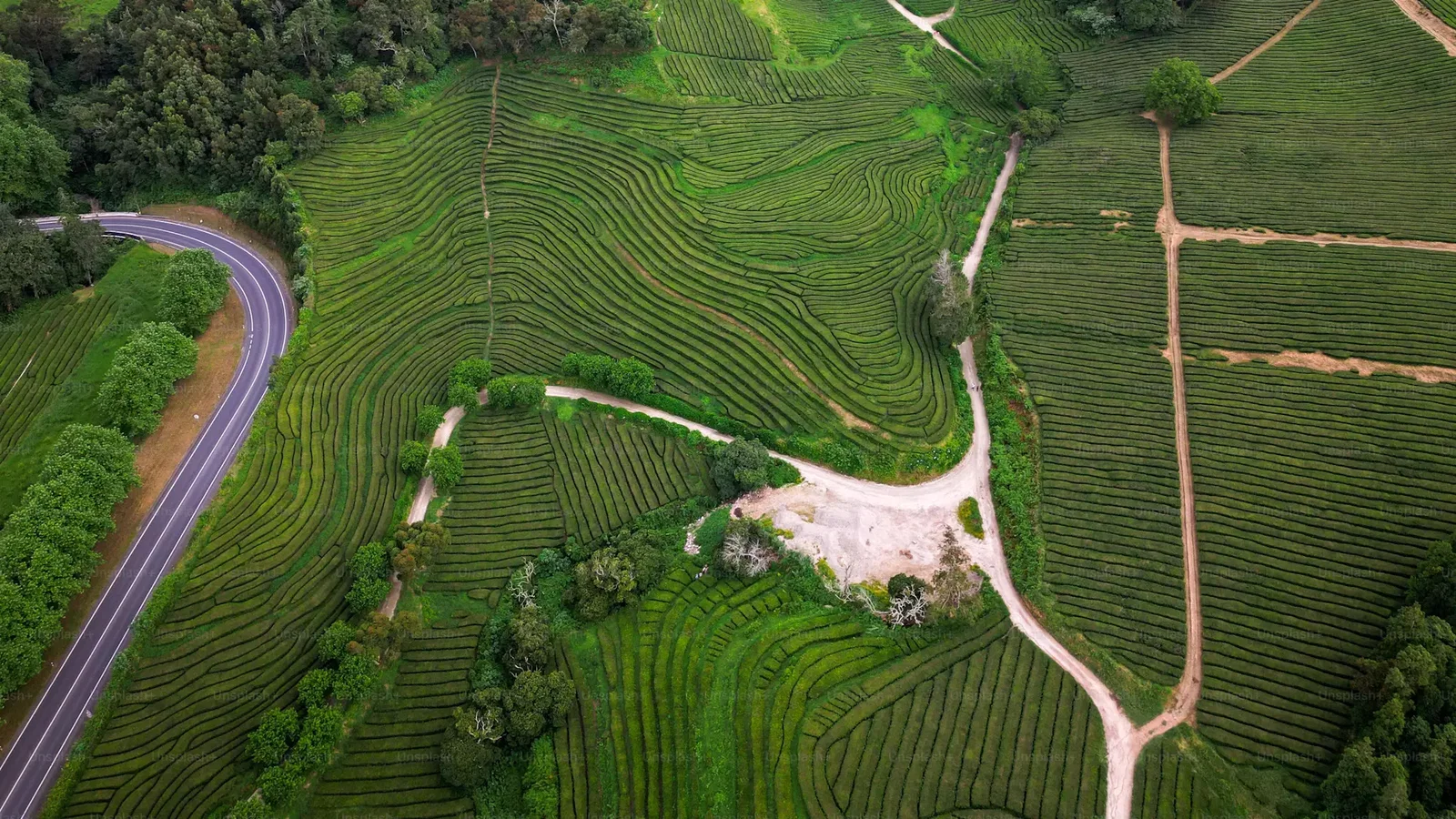
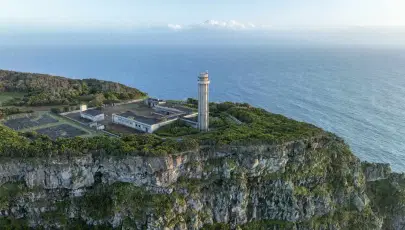
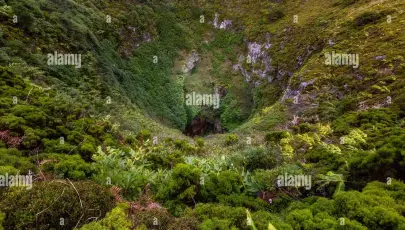
In the middle of the North Atlantic, the Azores Islands rise like a blue-green sanctuary where nature still dictates the rhythm of life. These are nine volcanic islands that, over millennia, have sculpted immense craters, lagoons that change colour depending on the light, and dramatic cliffs where the sea meets the lava.
The commitment to preservation is serious and is part of the local identity, ensuring that those who arrive find untouched landscapes and genuine hospitality. In 2024, the Azores achieved the Gold level for sustainable destinations awarded by EarthCheck, becoming a global benchmark for responsible tourism.
Culture and Heritage
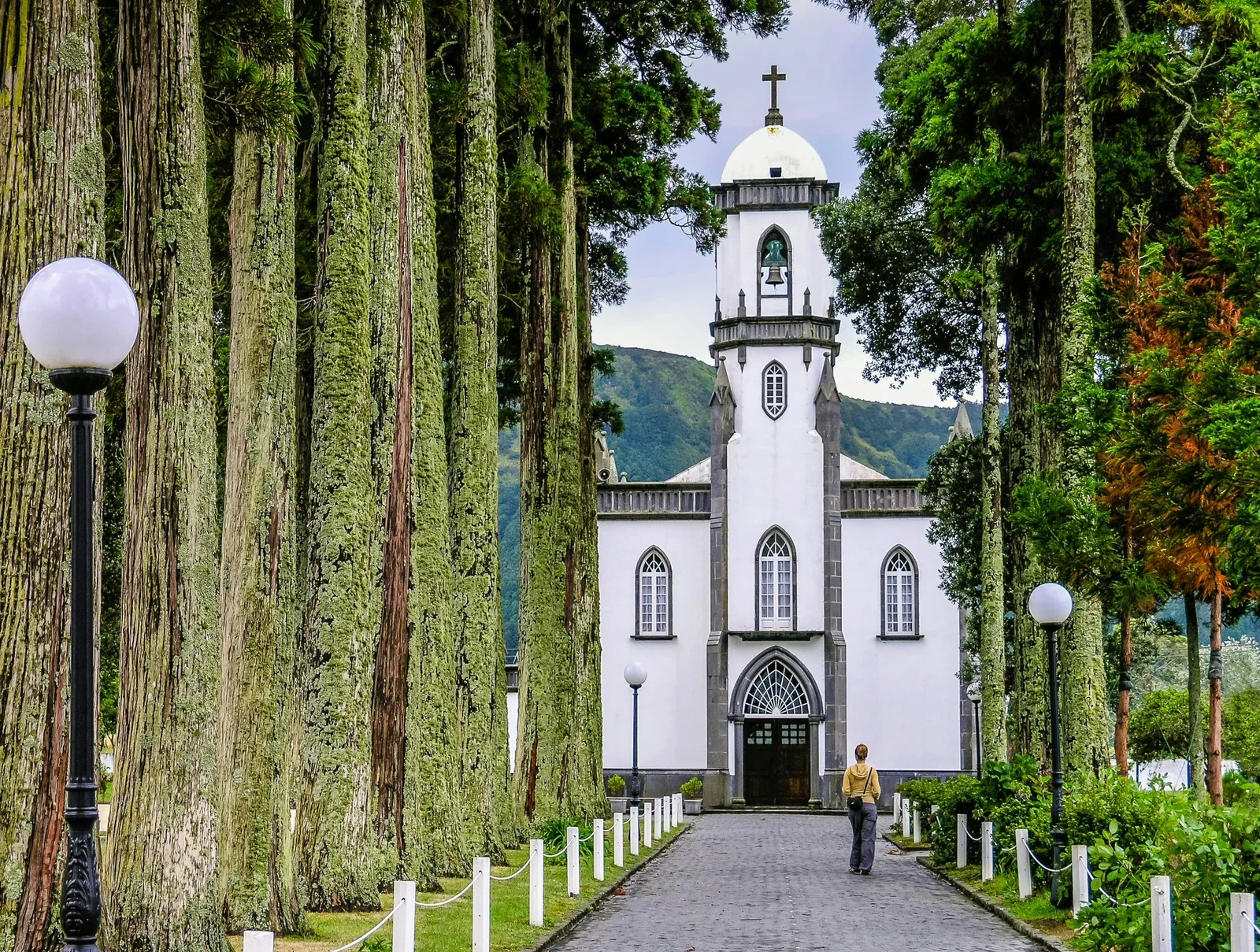
Azorean culture was born from the fire of volcanoes and the courage of the sea. In Angra do Heroísmo, a UNESCO World Heritage site, 17th-century forts and Manueline palaces remind us of the importance of oceanic routes. In the villages, small impérios do Divino Espírito Santo, painted in vibrant colours, bear witness to a devotion unique in the Portuguese-speaking world. Museums dedicated to whaling have transformed old boats and warehouses into living memories of an economy that traded harpoons for whale watching, a symbol of adaptation and respect for the ocean.
Gastronomy
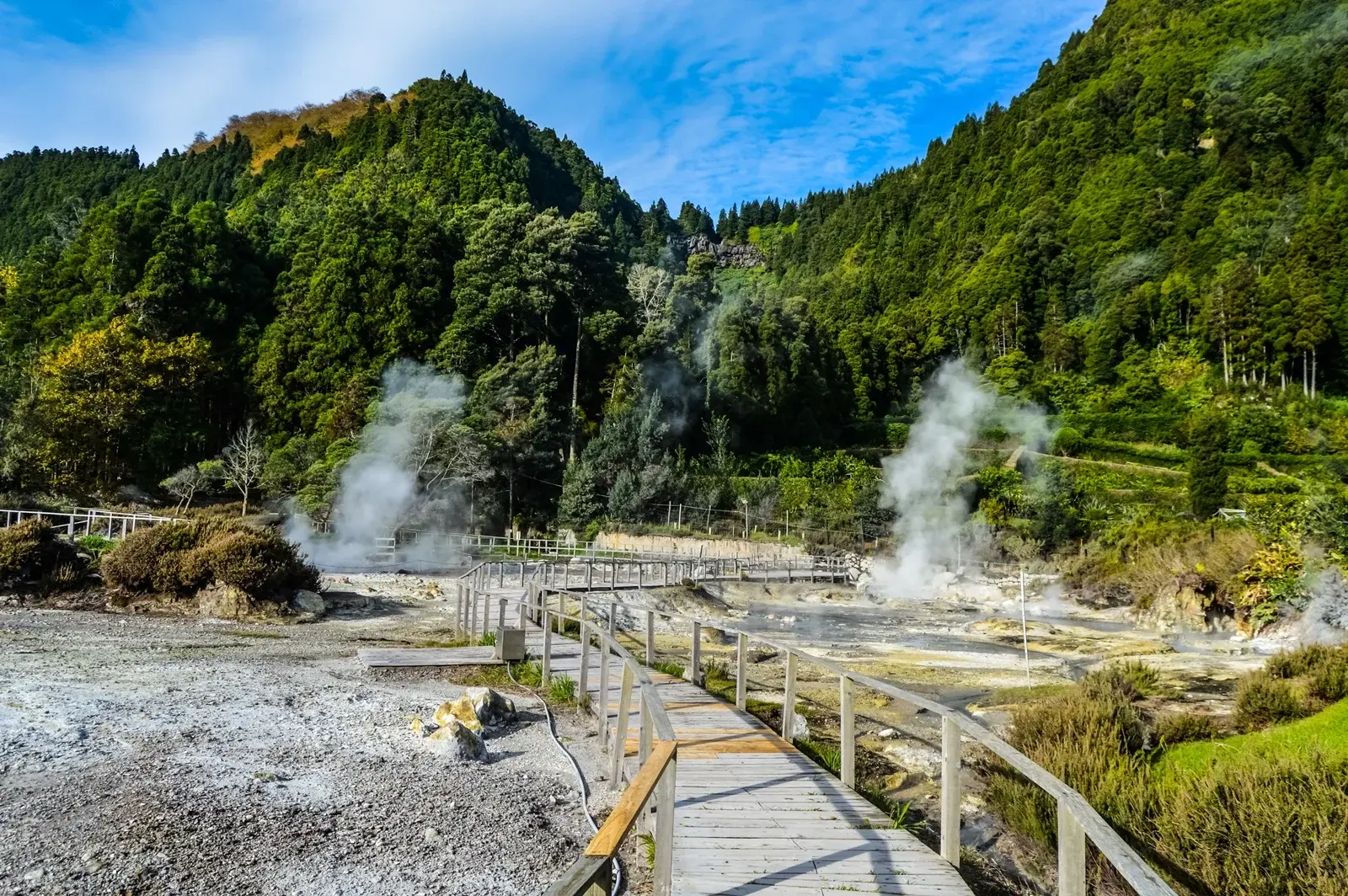
Sitting down to eat in the Azores is tasting the island in its purest state. In São Miguel, the cozido das Furnas cooks slowly in the volcanic soil, releasing aromas of lightly smoked sausages, local potatoes, and tender cabbage. In the fajãs of São Jorge, a cheese cured in the Atlantic wind is refined, with a delicate spiciness and long persistence. The sea brings grilled albacore, limpets opened in garlic butter, and octopus stewed in red wine; Pico offers mineral whites planted in lava curraletas by the ocean. To sweeten things up, a warm bolo-lêvedo with pineapple jam crowns a meal that begins and ends with local products.
Nature and Outdoor Activities
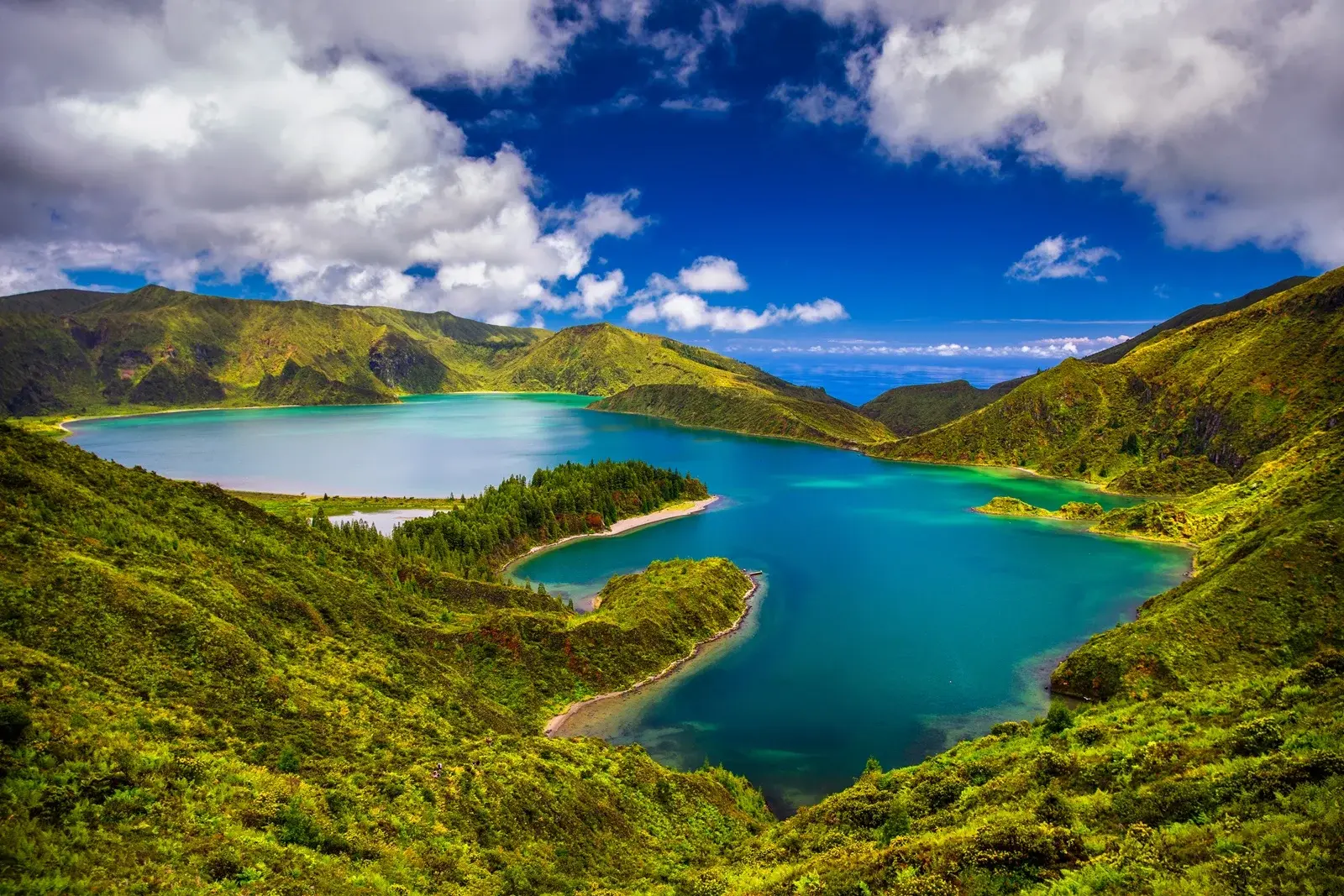
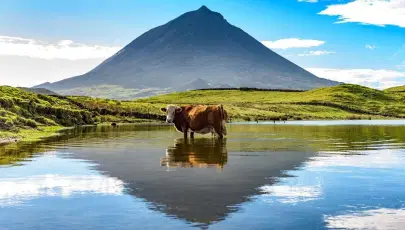
Official trails wind through fragrant Japanese cedars, descend to fajãs where cows graze almost by the sea, and culminate at the summit of Montanha do Pico, the highest point in Portugal (2,351 m). Between April and October, up to 28 species of whales and dolphins pass through these deep waters, making the Azores one of the best European destinations for those dreaming of seeing resident sperm whales or migrating blue whales.
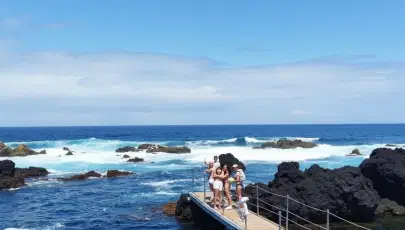
After a hike, the body calls for an immersion in the natural thermal springs of Ferraria or the Poças da Dona Beija, where iron-rich water bubbles at 38 °C under a sky free from light pollution.
Climate
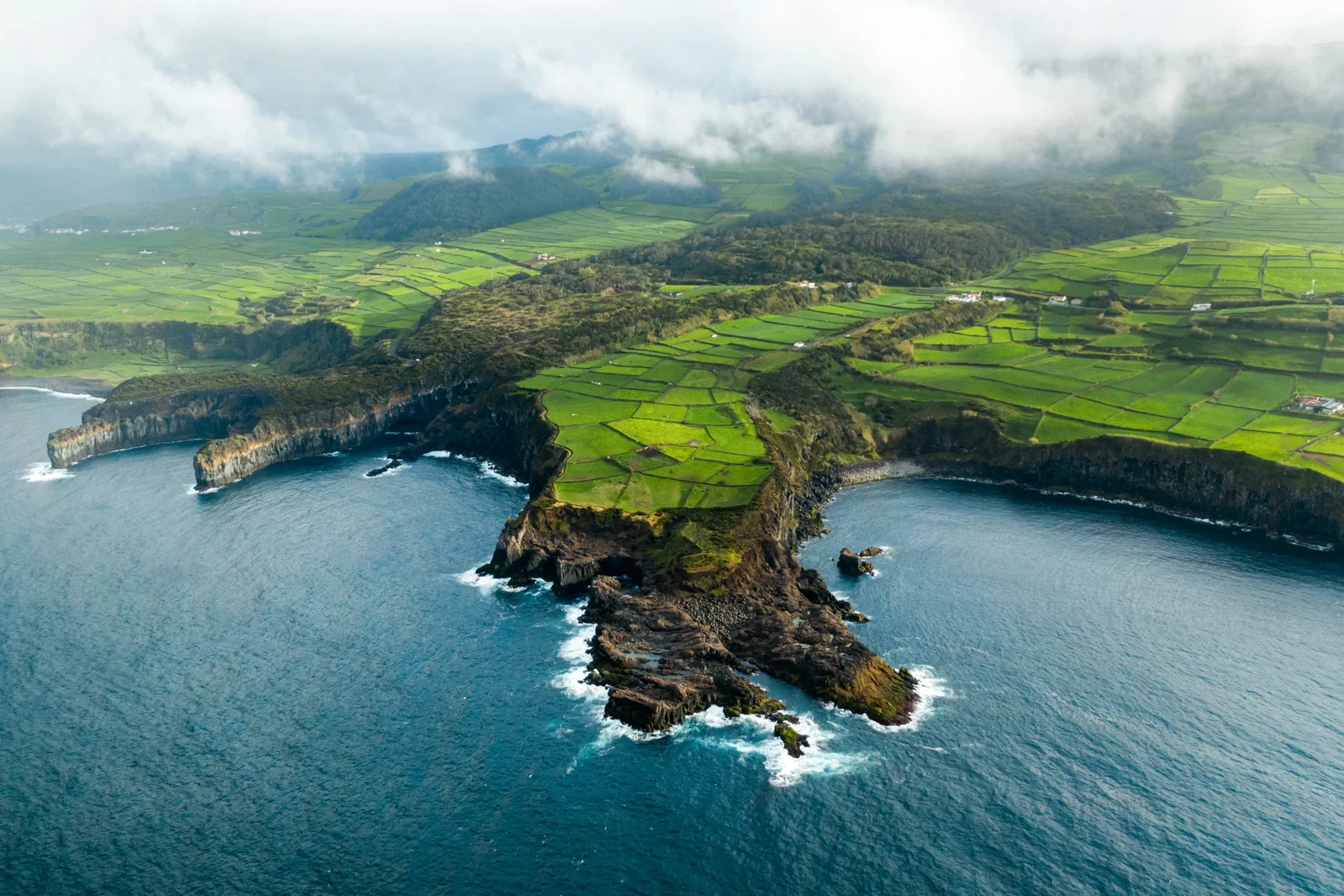
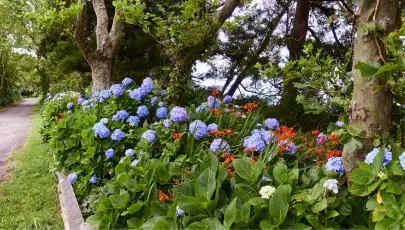
The temperate oceanic climate ensures mild summers, rarely above 26 °C, and gentle winters that stay close to 15 °C. The famous expression “four seasons in one day” is no exaggeration: mist, brief showers, and sunny spells follow one another in minutes, painting dramatic pictures and feeding the lush vegetation. For dry trails and calm seas, May to September are ideal. Spring, in turn, covers entire hillsides in purple and blue hydrangeas.
[widget_weather]
Featured Cities and Locations
- Ponta Delgada – The vibrant capital of São Miguel, mixing basalt stone architecture with modern terraces, a tropical fruit market, and a marina that welcomes transatlantic cruises.
- Angra do Heroísmo – A UNESCO World Heritage city on the island of Terceira. Renaissance streets, 17th-century forts, and viewpoints over a historic bay that once connected the continents.
- Horta – A legendary port on Faial. The marina, colourful with murals from sailors, and the mythical Peter Café Sport make it a mandatory stop on any Atlantic crossing.
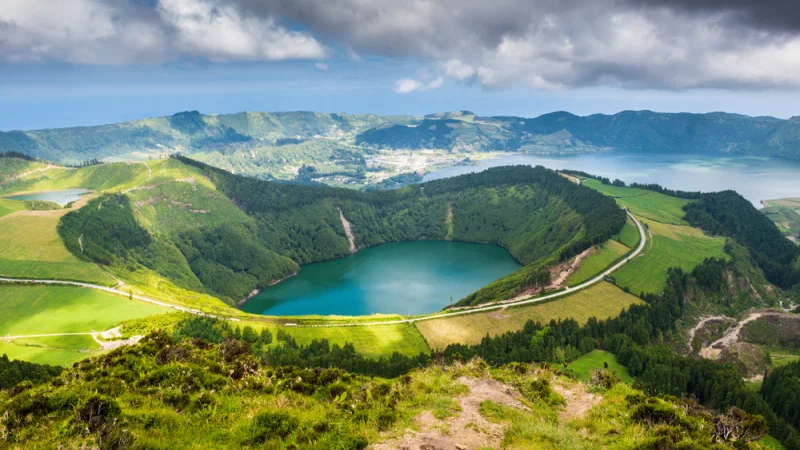
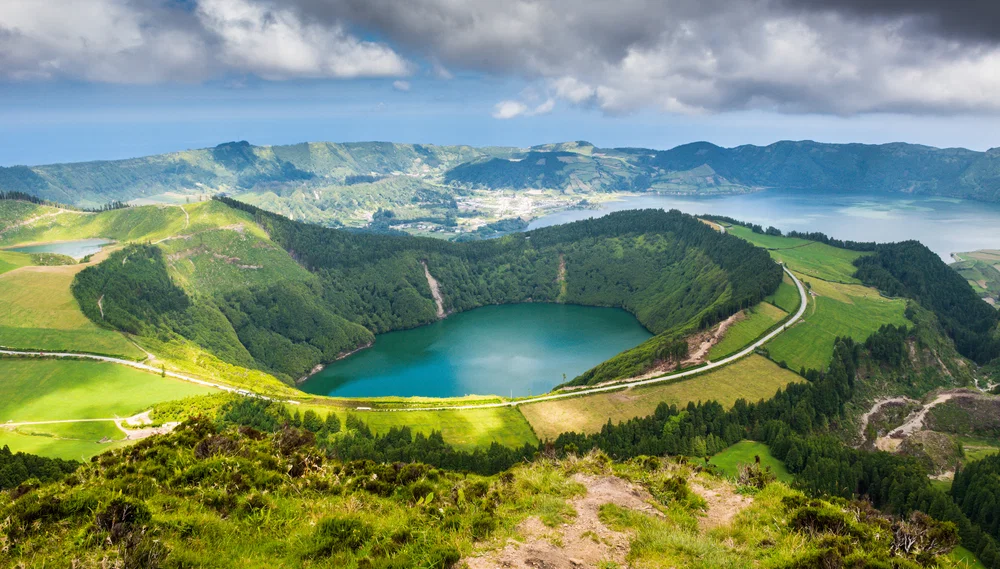
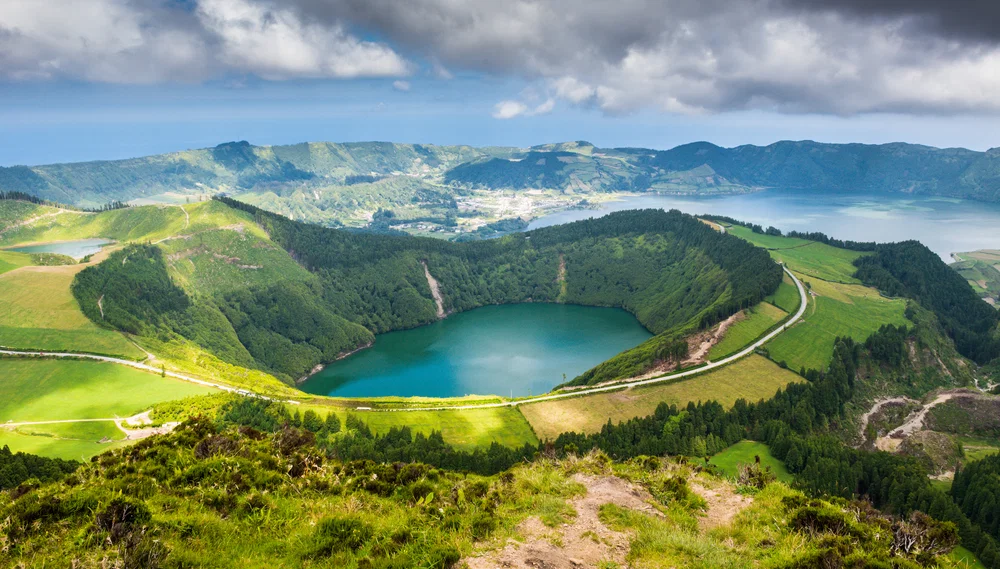
- Lagoa das Sete Cidades – An iconic postcard of São Miguel. Two twin lagoons, one green and one blue, nestled in a 5 km crater, surrounded by panoramic viewpoints.
- Furnas – A thermal valley where fumaroles and boilers allow for the cooking of the famous cozido das Furnas. A natural outdoor spa at Poças da Dona Beija and Parque Terra Nostra.
- Ilha do Pico – Home to the highest mountain in Portugal (2,351 m) and the vineyards in lava curraletas, classified as a World Heritage site. A prime destination for trekking and wine tourism.
- Lajes do Pico – The “whale watching capital” of the Azores. Old whale oil warehouses converted into museums and certified whale-watching operators.
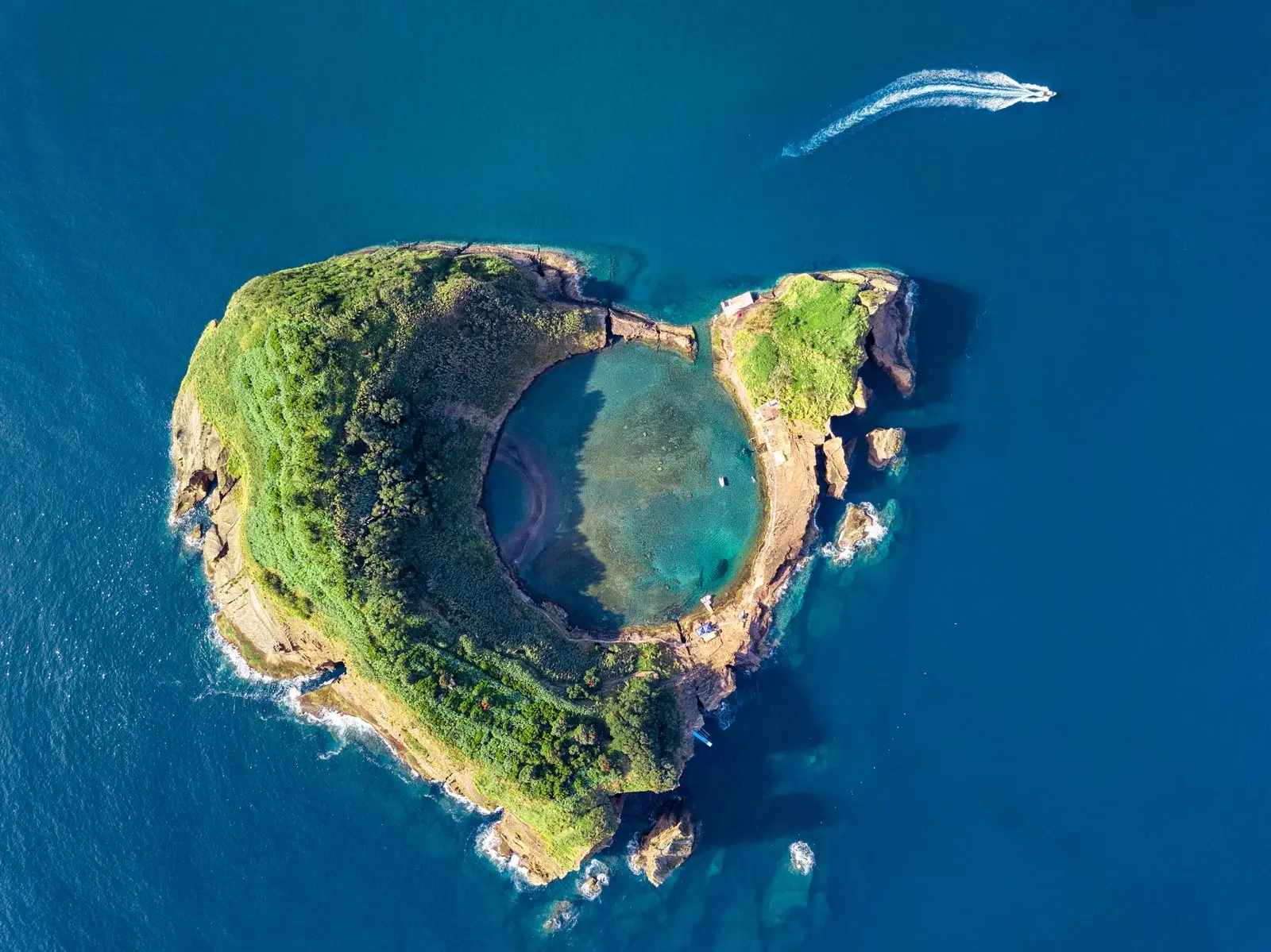
- Vila Franca do Campo and Ilhéu – The first capital of São Miguel. The circular islet is a nature reserve and one of the best places for snorkelling in crystal-clear waters.
- Praia Formosa (Santa Maria) – The only large light-sand beach in the archipelago, framed by reddish cliffs, ideal for families and those looking for warmer waters.
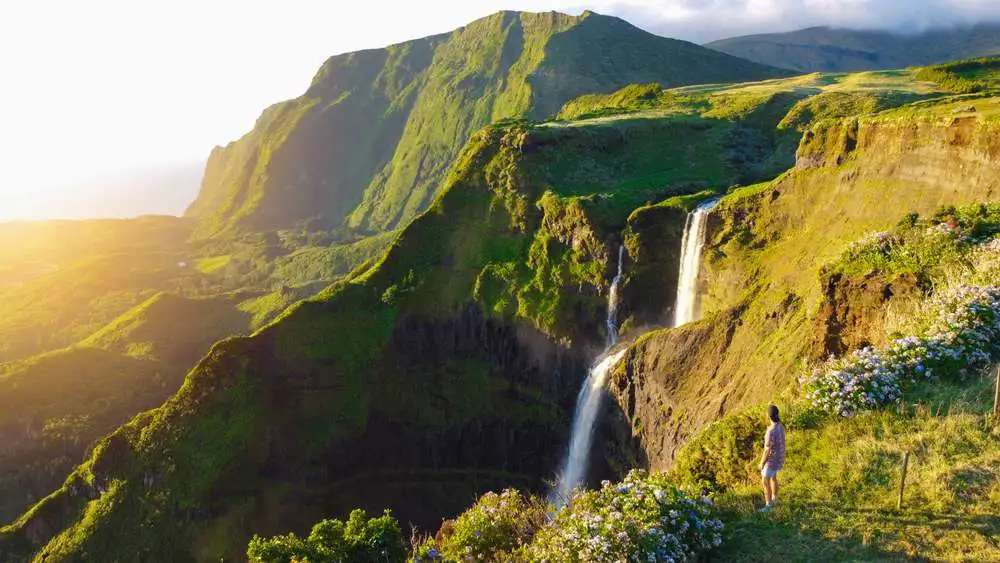
- Fajã Grande (Flores) – The westernmost settlement in Europe. Dizzying waterfalls fall directly into coastal lagoons, the perfect setting for nature photography.
Why Visit the Azores?
Visiting the Azores is exploring one of the rare places in Europe where, in a single day, you can climb a dormant volcano, eat food cooked in the womb of the earth, swim with wild dolphins, and finish in an outdoor thermal pool. The conscious limitation of tourist beds preserves uncrowded trails and ensures an authentic contact with communities that welcome visitors with open arms. Each island has its own personality, inviting successive returns in search of new adventures.
Travelling Sustainably
Thirty per cent of Azorean waters are now classified as protected marine areas. Hotel licences are controlled and whale-watching operators follow a strict code of conduct. The model, praised by conscious tourism experts, is pointed to as a way to avoid the “Iceland effect” and keep the archipelago’s authenticity intact.
Unmissable Events in the Azores
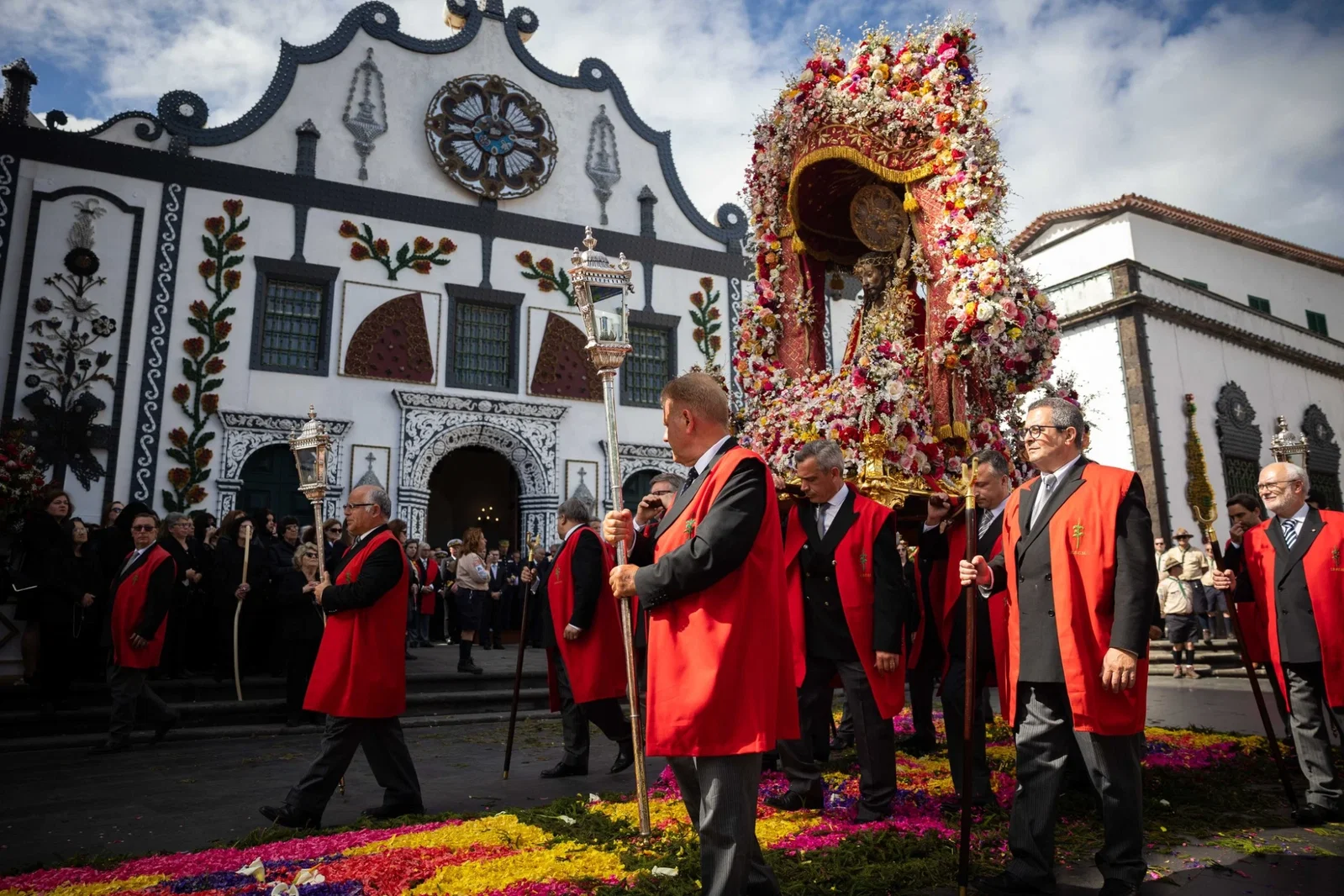
- Festas do Senhor Santo Cristo dos Milagres (May) – Held annually in Ponta Delgada (São Miguel), these are the largest religious festivals in the Azores, gathering thousands of faithful in a week of processions, floral carpets, concerts, and intense faith ceremonies.
- Semana do Mar (August) – Celebrated in the city of Horta (Faial), this week brings together international regattas, nautical exhibitions, live concerts, and local gastronomy. It is the largest nautical event in the archipelago.
- Festas da Praia (August) – These take place in Praia da Vitória (Terceira) and include ethnographic parades, music festivals, bullfights on a rope, and fireworks. A popular celebration that combines tradition, culture, and entertainment.
- Maré de Agosto (August) – An international music festival held at Praia Formosa, on the island of Santa Maria. With over 30 editions, it attracts artists from various genres and a young audience from all over the country.
- Festival Cordas (September) – An event that celebrates traditional and modern string instruments on the island of Pico, with concerts, workshops, and presentations in various cultural spaces.
- Walk & Talk (July) – A contemporary art festival that occupies urban and natural spaces in São Miguel, with installations, performances, exhibitions, and artistic residencies.
Itineraries that may interest you
Descubra os melhores tours nos Açores, explorando paisagens vulcânicas, observação de baleias, trilhos panorâmicos e experiências inesquecíveis.

Planner with AI
Plan your visit to Ilha dos Açores
Choose how many days you have and what you like, and we'll build an itinerary with real places in the area.
Ver roteiros prontos (15)Must-sees in Ilha dos Açores
Sete Cidades
Two lakes, one blue and one green, inside a crater on São Miguel.
Furnas
A valley with hot springs, the Terra Nostra garden and the stew cooked in volcanic soil.
Pico Island
Portugal's highest mountain and World Heritage vineyards in stone-walled plots.
Whale watching
Boat trips to see cetaceans, with several species throughout the year.
Faial
Horta, the sailors' marina, and the Capelinhos volcano.
Places to visit in Ilha dos Açores
Explore os locais mais especiais dos Açores: restaurantes típicos, lagoas emblemáticas, cidades históricas e natureza intocada do arquipélago.
-
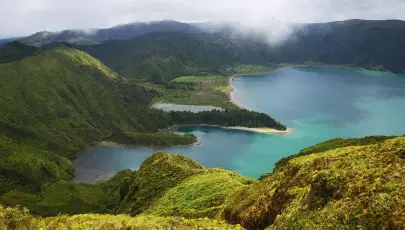
Miradouro do Ilhéu
São Mateus, Ilha dos Açores
-
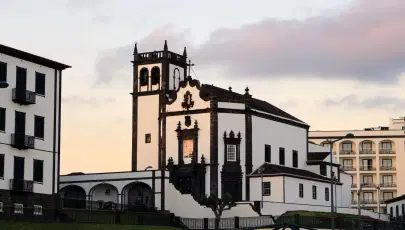
Igreja de São Nicolau
Ponta Delgada, Ilha dos Açores
-
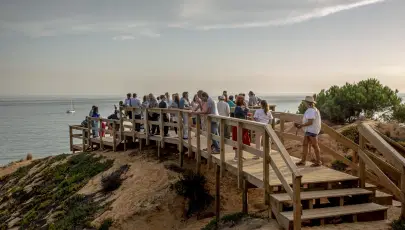
Miradouro Caldeirão
Vila do Corvo, Ilha dos Açores
Where to eat in Ilha dos Açores
Flavours of the land
Dish
Cozido das Furnas
A stew cooked in a pot buried in volcanic ground.
Product
Queijo de São Jorge
A strongly flavoured aged cheese with protected designation of origin.
Dish
Lapas
Grilled limpets with garlic and lemon.
Product
Ananás dos Açores
Grown in greenhouses on São Miguel, very sweet.
Product
Chá Gorreana
A tea plantation on São Miguel, one of the few in Europe.
Where to try them
-
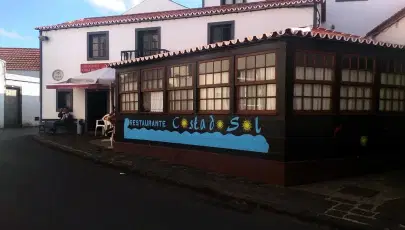
Restaurante Costa do Sol
Santa Cruz da Graciosa, Ilha dos Açores
-
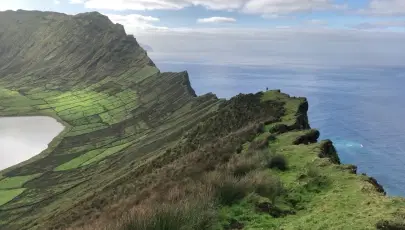
Caldeirão, Restaurante - Pastelaria
Vila do Corvo, Ilha dos Açores
-

Ti Choa
Angra do Heroísmo, Ilha dos Açores
Things to do in Ilha dos Açores
-

Trilho Lagoa das Furnas
Povoação, Ilha dos Açores
-
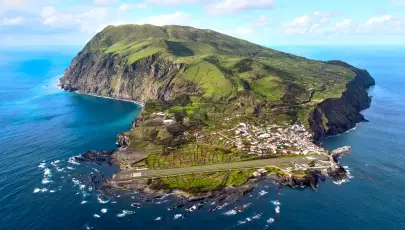
Centro de Interpretação de Aves Selvagens do Corvo
Vila do Corvo, Ilha dos Açores
-
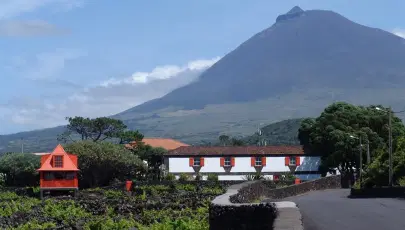
Museu do Vinho da Ilha do Pico
Madalena, Ilha dos Açores
Explore the area
Districts in this region
Good to know
Local tips
- The weather changes fast: bring layers and a rain jacket.
- For the lakes without fog, go early in the morning and check the webcams before heading up.
- Between islands, book flights and ferries in advance, especially in summer.
Region Map
Frequently asked questions
The Azores are great all year round, but spring and summer are ideal for making the most of outdoor activities and whale watching.
Try the cooked Furnas, cheese from the island of São Jorge, grilled lapas, Azorean carpet and cheeses from Vila Franca.
Don't miss the Lakes of the Seven Cities and Fire, Furnas, Pico and its vineyards, as well as the islands' various natural trails.
Yes, the Azores are one of the best places in the world for whale and dolphin watching, especially between April and October.
The climate is temperate oceanic, with moderate temperatures, pleasant summers and mild winters, making the archipelago pleasant all year round.
Leave your comment here
Review sent
Comments (0)
No comment yet. Be the first to share your experience.