 Alemanha
 Brasil
 English (UK)
 Espanha
 França
 Portugal


Azores
Explore the
Açores Islands, Portugal
About the Azores Islands
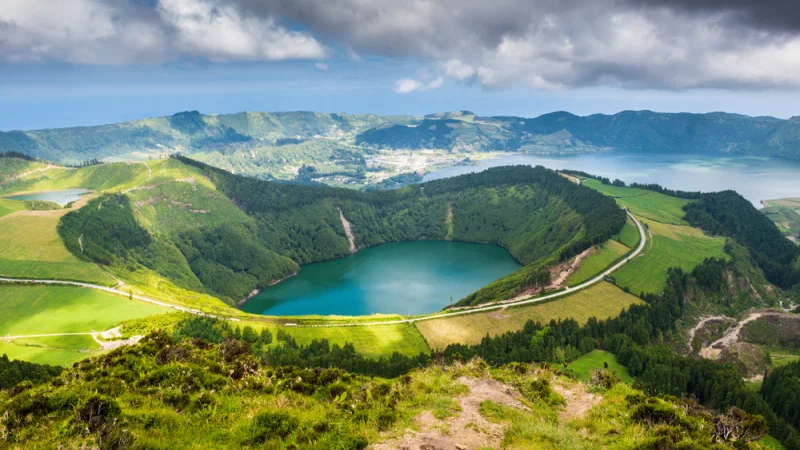
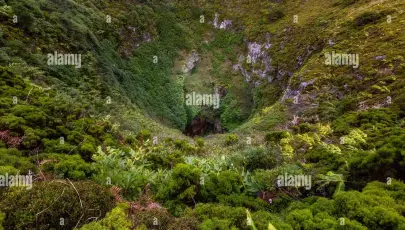
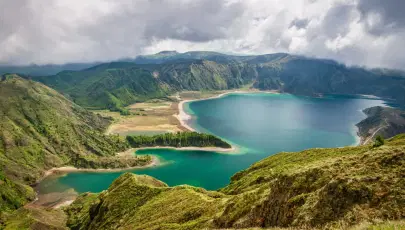
In the middle of the North Atlantic, the Azores rise like a green-and-blue sanctuary where nature still sets the pace of life. These nine volcanic islands have, over millennia, carved out vast craters, lakes that change colour with the light and dramatic cliffs where sea and lava meet.
The commitment to conservation is taken seriously and is part of the local identity, ensuring that visitors find unspoilt landscapes and genuine hospitality. In 2024, the Azores achieved Gold-level sustainable destination certification from EarthCheck, becoming a world benchmark for responsible tourism.

Culture and Heritage
Azorean culture was born of volcanic fire and seafaring courage. In Angra do Heroísmo, a UNESCO World Heritage Site, 17th-century forts and Manueline palaces recall the importance of the ocean routes. In the villages, small impérios do Divino Espírito Santo (Holy Spirit chapels), painted in vibrant colours, bear witness to a devotion unique in the Portuguese-speaking world. Museums dedicated to whaling have turned old boats and warehouses into living memories of an economy that swapped harpoons for whale and dolphin watching – a symbol of adaptation and respect for the ocean.

Gastronomy
Sitting down to eat in the Azores means tasting the islands in their purest form. On São Miguel, cozido das Furnas (a hearty meat-and-vegetable stew) cooks slowly in the volcanic ground, releasing aromas of lightly smoked sausages, local potatoes and tender cabbage. On the fajãs (coastal plains) of São Jorge, a cheese is matured in the Atlantic wind, with a delicate bite and a long finish. The sea brings grilled albacore, limpets opened in garlic butter and octopus stewed in red wine; Pico offers mineral whites grown in curraletas (small lava-stone enclosures) by the ocean. To finish on a sweet note, warm bolo-lêvedo with pineapple jam crowns a meal that begins and ends with local produce.

Nature and Outdoor Activities
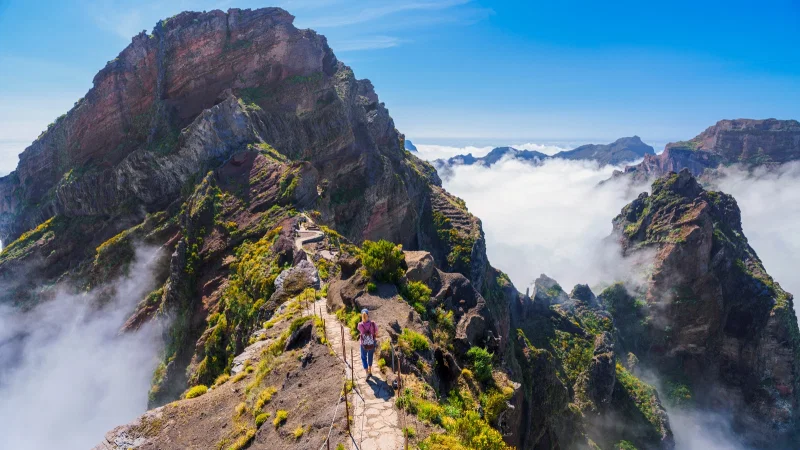
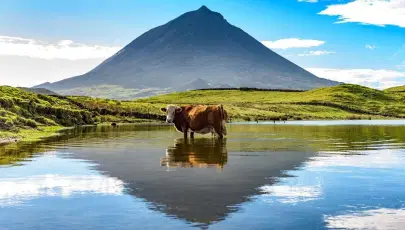
Official trails wind through fragrant Japanese cedar forests, descend to fajãs where cows graze almost at the water’s edge and culminate at the summit of Montanha do Pico, the highest point in Portugal (2 351 m). Between April and October, up to 28 species of whales and dolphins pass through these deep waters, making the Azores one of Europe’s best destinations for anyone dreaming of seeing resident sperm whales or migrating blue whales.
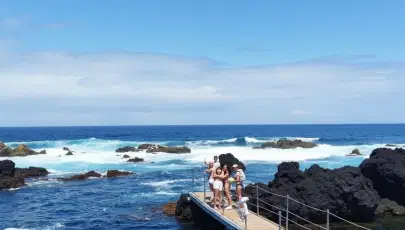
After a hike, your body will crave a soak in the natural hot springs of Ferraria or at Poças da Dona Beija, where iron-rich water bubbles at 38 °C beneath a sky free of light pollution.

Climate
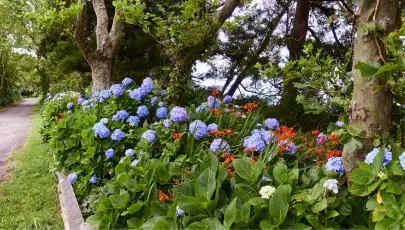
The temperate oceanic climate brings mild summers, rarely above 26 °C, and gentle winters that stay close to 15 °C. The famous saying “four seasons in one day” is no exaggeration: mist, brief showers and sunny spells follow one another within minutes, creating dramatic photographs and feeding the lush vegetation. For dry trails and calm seas, May to September is ideal. Spring, for its part, covers entire hillsides in purple and blue hydrangeas.
[widget_weather]

Featured Towns and Places
- Ponta Delgada – The vibrant capital of São Miguel blends basalt-stone architecture with modern pavement cafés, a tropical fruit market and a marina that welcomes transatlantic cruises.
- Angra do Heroísmo – UNESCO World Heritage city on Terceira island. Renaissance streets, 17th-century forts and viewpoints over a historic bay that once linked continents.
- Horta – Faial’s legendary harbour. Its marina, brightened by sailors’ murals, and the mythical Peter Café Sport make it an essential stop on any Atlantic crossing.
- Lagoa das Sete Cidades – São Miguel’s iconic postcard view. Twin lakes, one green and one blue, nestled in a 5 km crater surrounded by panoramic viewpoints.
- Furnas – A thermal valley where fumaroles and boiling springs are used to cook the famous cozido das Furnas. Natural open-air spa at Poças da Dona Beija and Parque Terra Nostra.
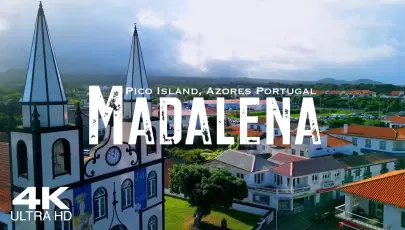
- Pico Island – Home to Portugal’s highest mountain (2 351 m) and to vineyards in lava-walled curraletas listed as a World Heritage Site. A top destination for trekking and wine tourism.
- Lajes do Pico – The Azores’ “whale-watching capital”. Former whale-oil warehouses converted into museums, plus certified whale-watching operators.
- Vila Franca do Campo and Islet – São Miguel’s first capital. The circular islet is a nature reserve and one of the best spots for snorkelling in crystal-clear waters.
- Praia Formosa (Santa Maria) – The archipelago’s only large light-sand beach, framed by reddish cliffs – ideal for families and anyone looking for warmer waters.
- Fajã Grande (Flores) – Europe’s westernmost settlement. Dizzying waterfalls plunge straight into coastal pools – a perfect setting for nature photography.

Why Visit the Azores?
Visiting the Azores means exploring one of the few places in Europe where, in a single day, you can climb a dormant volcano, lunch on food cooked in the belly of the earth, swim with wild dolphins and finish in an open-air thermal pool. A deliberate cap on tourist beds keeps trails uncrowded and ensures authentic contact with communities that welcome visitors with open arms. Each island has its own personality, inviting you back time and again in search of new adventures.

Travelling Sustainably
Thirty per cent of Azorean waters are now designated as marine protected areas. Hotel licences are controlled and whale and dolphin watching operators follow a strict code of conduct. The model, praised by experts in responsible tourism, is seen as a way to avoid the “Iceland effect” and keep the archipelago’s authenticity intact.

Unmissable Events in the Azores
- Festas do Senhor Santo Cristo dos Milagres (May) – Held every year in Ponta Delgada (São Miguel), this is the largest religious festival in the Azores, drawing thousands of pilgrims to a week of processions, flower carpets, concerts and ceremonies of intense faith.
- Semana do Mar (August) – Celebrated in the town of Horta (Faial), this week brings together international regattas, nautical exhibitions, live concerts and local food. It is the archipelago’s biggest nautical event.
- Festas da Praia (August) – Held in Praia da Vitória (Terceira), they feature folk parades, music festivals, touradas à corda (bull-on-a-rope events) and fireworks. A popular celebration that brings together tradition, culture and fun.
- Maré de Agosto (August) – An international music festival held at Praia Formosa, on the island of Santa Maria. With more than 30 editions behind it, it attracts artists from many genres and a young crowd from all over the country.
- Festival Cordas (September) – A celebration of traditional and modern string instruments on Pico island, with concerts, workshops and performances in various cultural venues.
- Walk & Talk (July) – A contemporary art festival that takes over urban and natural spaces on São Miguel, with installations, performances, exhibitions and artist residencies.

Explore the District with our tours
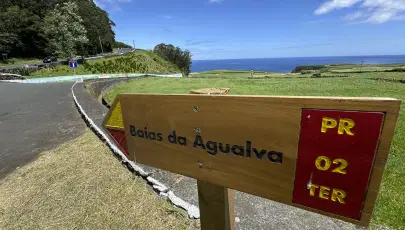
Planeie itinerários autónomos na Ilha dos Açores: siga levadas e trilhos vulcânicos self-guided, descubra miradouros sobre crateras, explore as paisagens de caldeiras e lagoas ao seu ritmo e encontre piscinas naturais escondidas para um mergulho relaxante.
Planner with AI
Plan your visit to Ilha dos Açores
Choose how many days you have and what you like, and we'll build an itinerary with real places in the area.
Ver roteiros prontos (15)Places to visit in Ilha dos Açores
Descubra de forma independente os locais mais especiais na Ilha dos Açores: a Lagoa das Sete Cidades, a Lagoa do Fogo, as fumarolas e piscinas termais das Furnas, as vinhas de Pico e os miradouros da Serra do Cume.
-
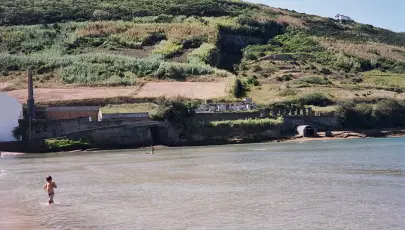
Praia do Porto Pim
Horta (Angústias), Ilha dos Açores
-
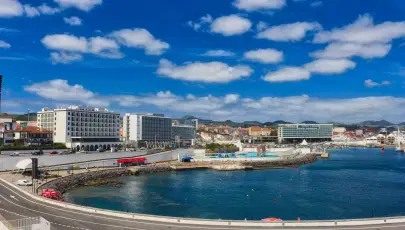
Piscinas Naturais Caneiros
Ponta Delgada, Ilha dos Açores
-

Jardim Penedo Negro
Lajes do Pico, Ilha dos Açores
Where to eat in Ilha dos Açores
-
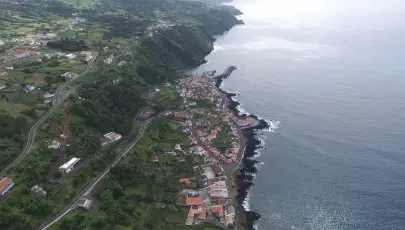
Sabores Sopranos ilha são jorge
Calheta (São Jorge), Ilha dos Açores
-
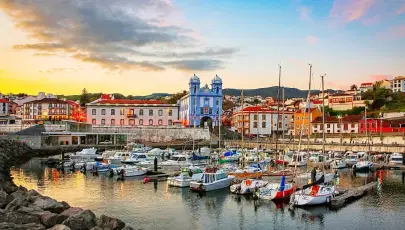
Lume
Angra do Heroísmo, Ilha dos Açores
-

Ti Choa
Angra do Heroísmo, Ilha dos Açores
Things to do in Ilha dos Açores
-

Trilho Mistérios Negros - PRC01
Posto Santo, Ilha dos Açores
-
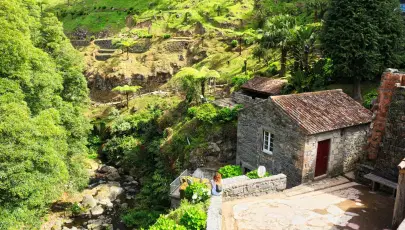
Parque Natural da Ribeira dos Caldeirões
Achada, Ilha dos Açores
-
Observatório Vulcanológico e Geotérmico dos Açores
Lagoa (Nossa Senhora do Rosário), Ilha dos Açores
Eventos neste distrito

Explore the area
Municipalities and towns
District Map
Frequently asked questions
The best time to visit the Açores is from April to October, when the weather is more stable, the trails are accessible and heavy rain is less likely.
Be sure to try cozido das Furnas, the cheese from the island of São Jorge, grilled lapas (limpets), alcatra açoriana and the queijadas of Vila Franca do Campo.
Visit the Lagoa das Sete Cidades and the Lagoa do Fogo, explore the hot springs of Furnas, climb Pico for panoramic views and walk the trails of Serra do Cume and the Ilhéu de Vila Franca.
Yes, the waters around the islands are ideal for watching whales and dolphins, and on land you can see seabirds, endemic lizards and, in some areas, deer.
The climate is temperate oceanic, with mild summers (averaging 22 °C) and gentle winters (averaging 14 °C), with frequent rainfall, especially from November to March.
Leave your comment here
Review sent
Comments (0)
No comment yet. Be the first to share your experience.