 Alemanha
 Brasil
 English (UK)
 Espanha
 França
 Portugal
Faro District
Explore the
Faro District, Portugal.
About the Faro District
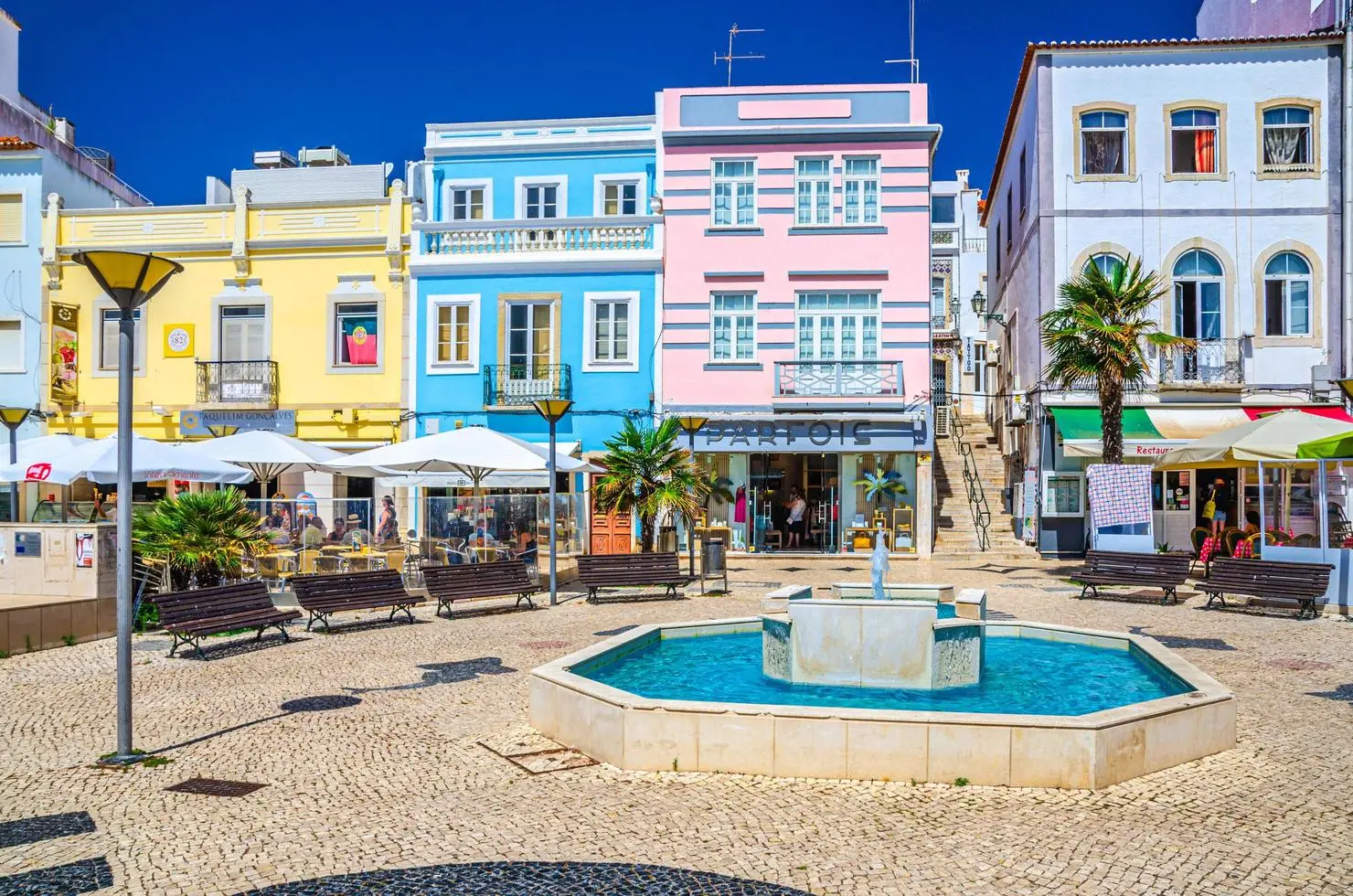
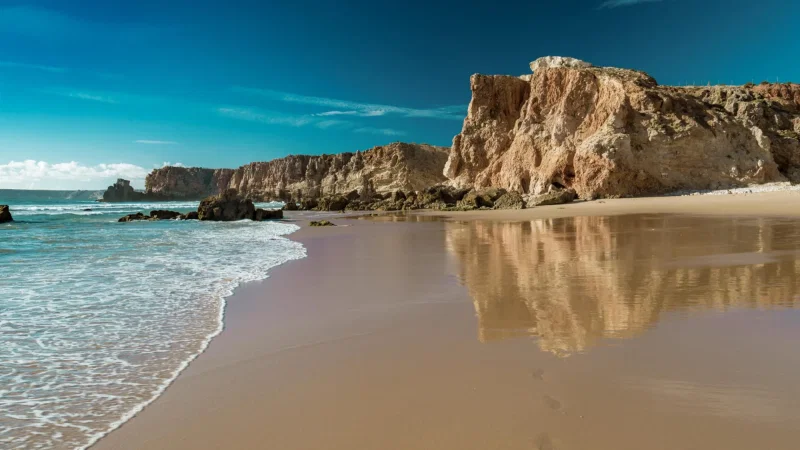
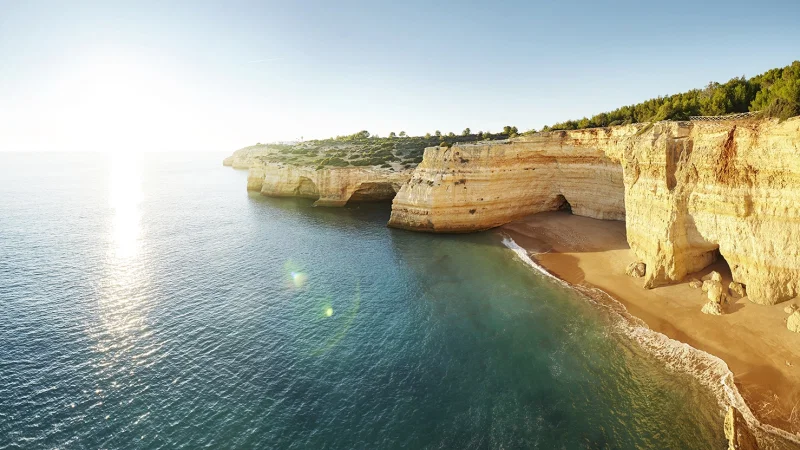
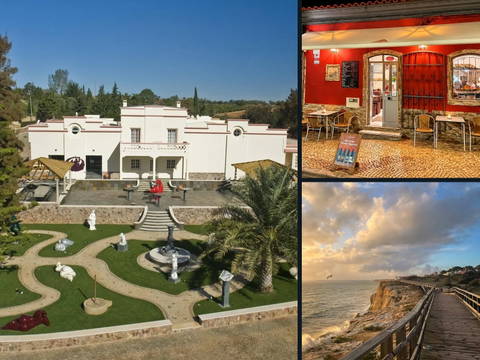
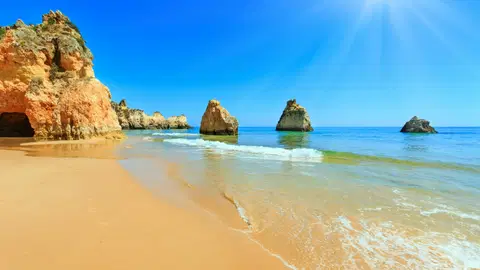
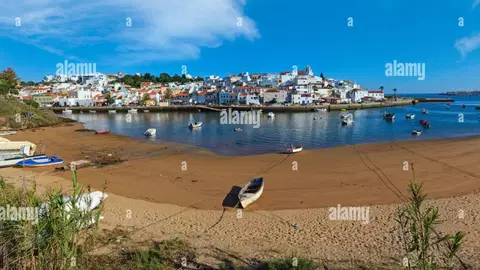
The Faro District covers the entire south of mainland Portugal and is the gateway to the Algarve, one of the most sought-after tourist regions in Europe. From the Atlantic Ocean to the inland hills, this district brings together idyllic beaches, historic towns, traditional villages and unspoilt natural landscapes. Here the sun shines more than 300 days a year, the food is memorable and the hospitality never fails. Faro, the district capital, combines a walled historic centre with modern marinas, a lively cultural scene and access to the stunning Ria Formosa, one of the richest ecosystems in the country.
Culture and Heritage
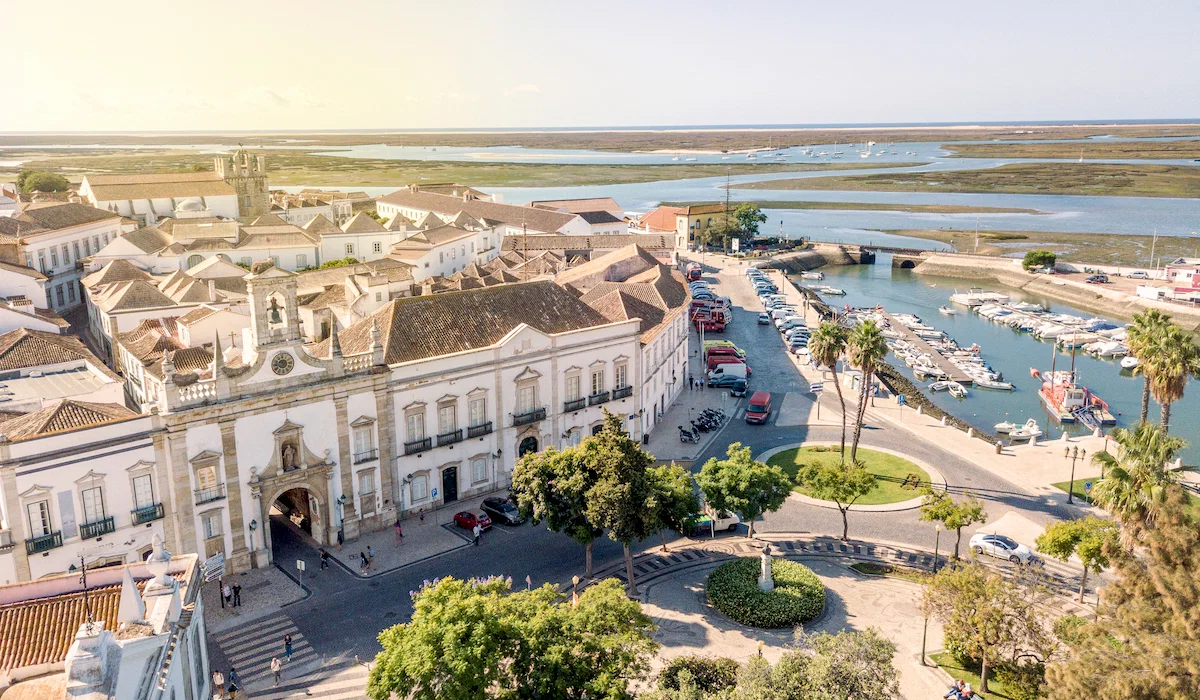
Despite its fame as a holiday destination, the Faro District has preserved a vast cultural heritage. From the Arco da Vila and Faro's Sé Catedral in the capital's historic centre to the Moorish castles of Silves, Alcoutim and Loulé, the past lives on in its streets and buildings. The Arab influence is clear in the architecture and even in the farming landscape. Silves, the former capital of Al-Gharb, keeps memories of the Muslim era in every cobbled street. The Museu Municipal de Faro, housed in a former convent, and the Roman ruins of Milreu, in Estoi, round off a heritage offering of great value.
Food and Drink
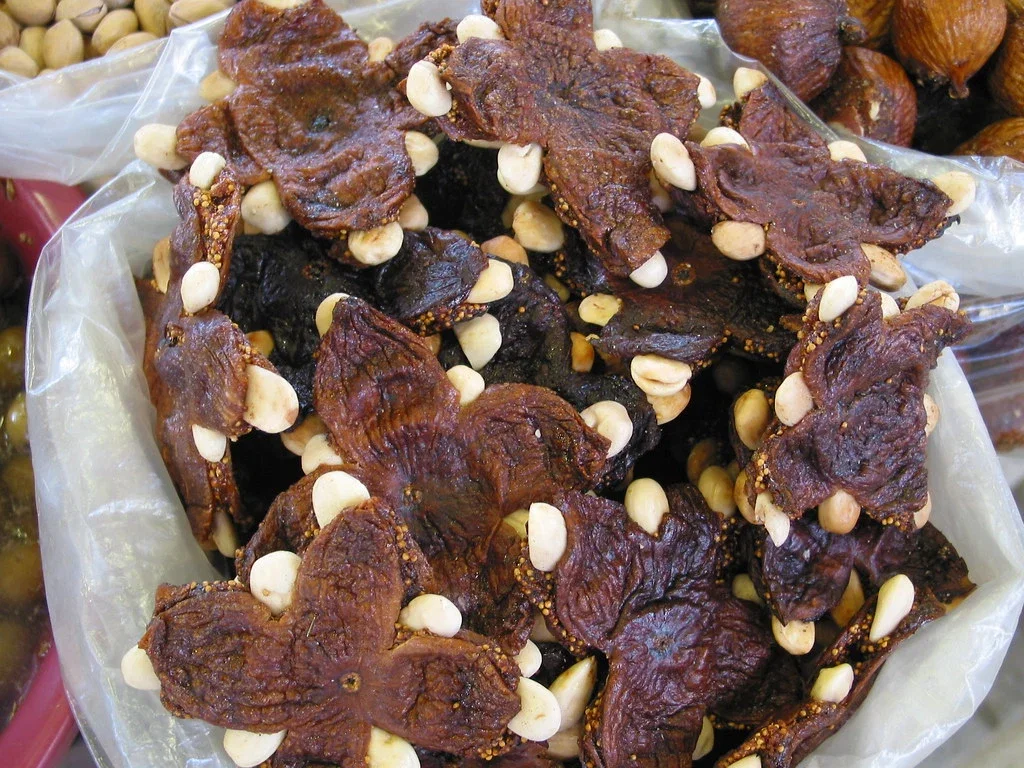
Algarve cuisine is rich in seafood flavours and Mediterranean influences. Typical dishes such as cataplana de marisco (seafood stew cooked in a copper pan), arroz de lingueirão, atum braseado, xerém com conquilhas and choquinhos à algarvia stand out on regional menus. Inland, the stars are ensopado de borrego, papas de milho, figs with almonds and home-made bread baked in a wood-fired oven. Sweets are defined by figs, almonds and carob, with treats such as Dom Rodrigo, morgados and carob cakes representing local tradition. To go with it all, Algarve wines, produced in Tavira, Lagoa or Lagos, are earning more and more recognition.
Crafts and Regional Products
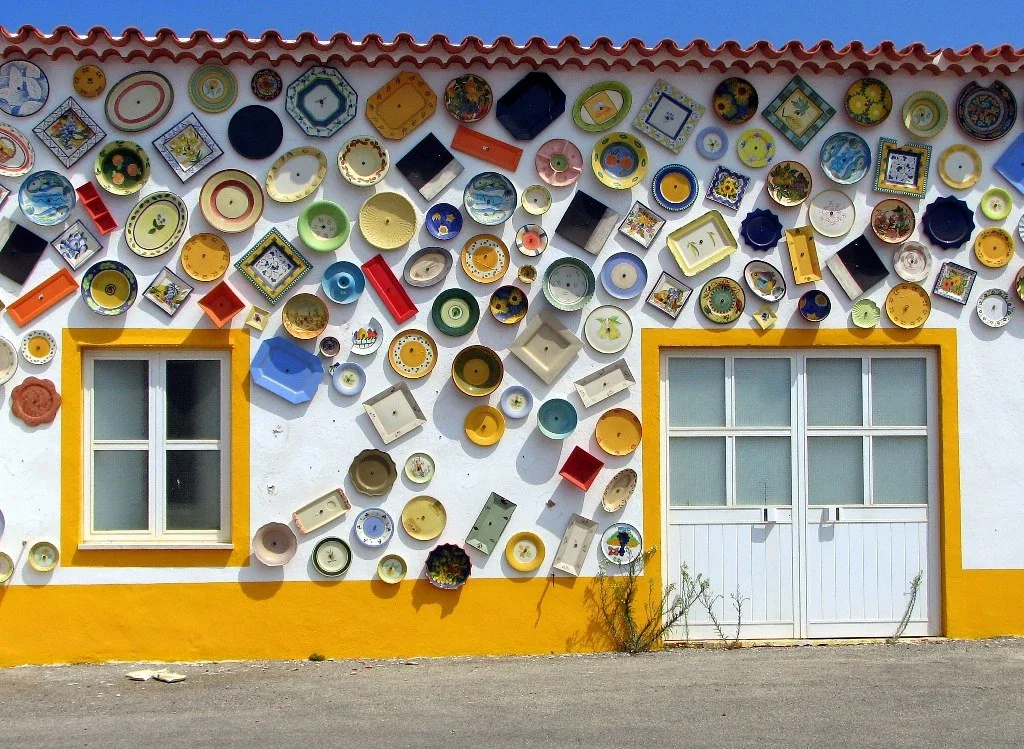
Crafts in the Faro district are varied and deeply rooted in tradition. Highlights include empreita palm-leaf weaving, decorative ceramics, azulejo tile-making, bobbin lace, worked cork and copperware (such as the alembic stills used to distil medronho). At local markets and fairs you will also find rosemary honey, traditional sea salt from Castro Marim, flor de sal from Tavira, enchidos (cured sausages) from Monchique, extra virgin olive oil and handmade cosmetics based on aloe vera or carob.
Nature and Outdoor Activities
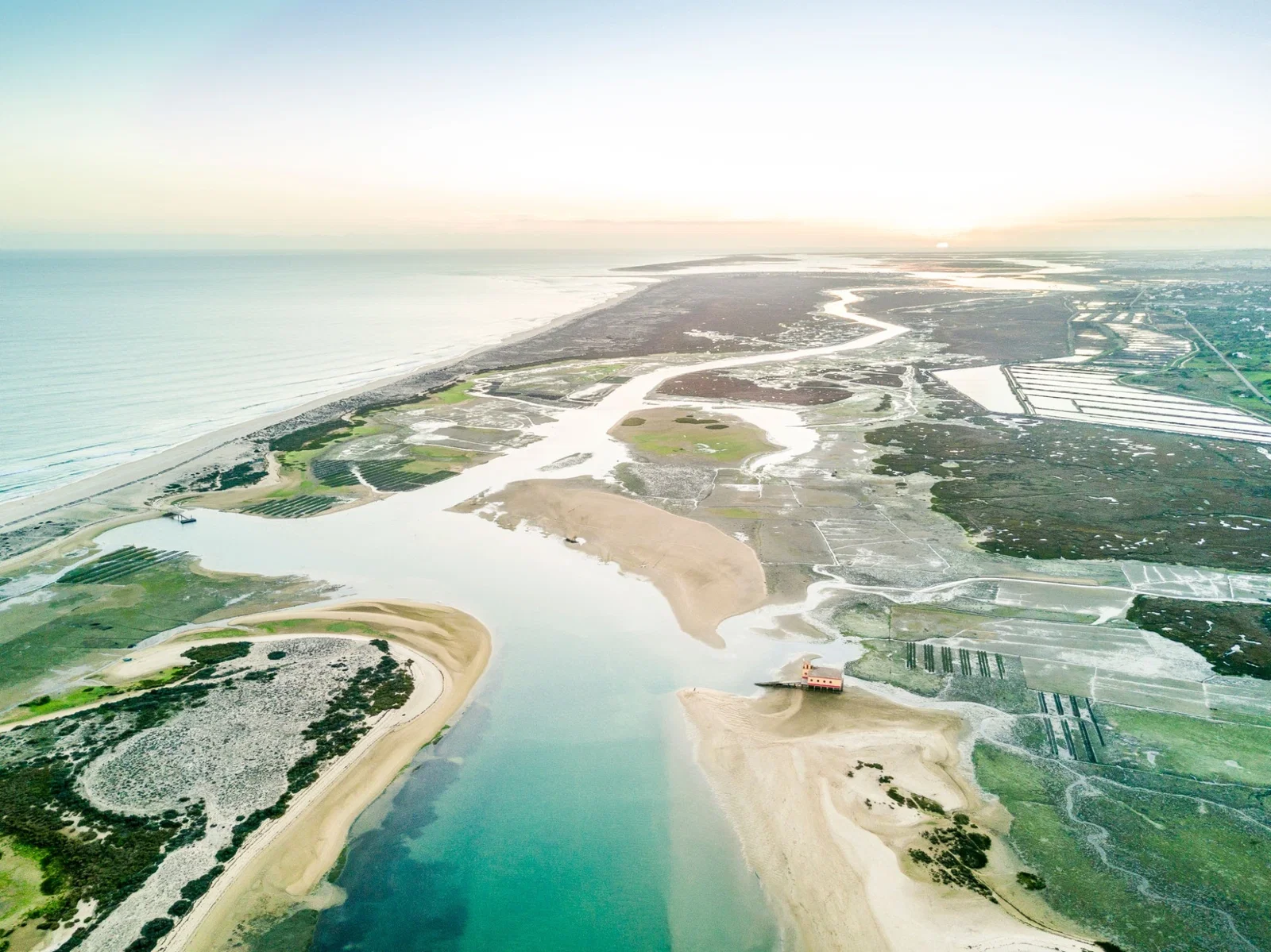
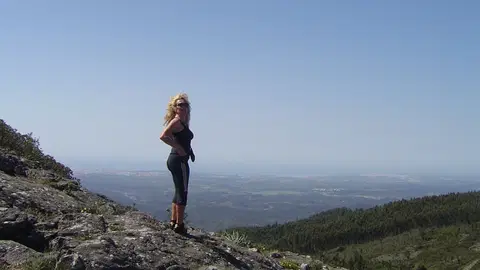
With a long, protected coastline, the Faro district is a paradise for nature lovers and outdoor enthusiasts. The Ria Formosa, designated a Natural Park, is ideal for boat trips, birdwatching, walks and visits to barrier islands such as Ilha Deserta, Ilha da Culatra and Ilha de Tavira. Inland, the Serra de Monchique offers trails among eucalyptus, cork oaks and streams, with views over the ocean and the highest point in the Algarve: Fóia (902 m). The Algarve is also one of the best places in Europe to watch dolphins in the wild.
Climate
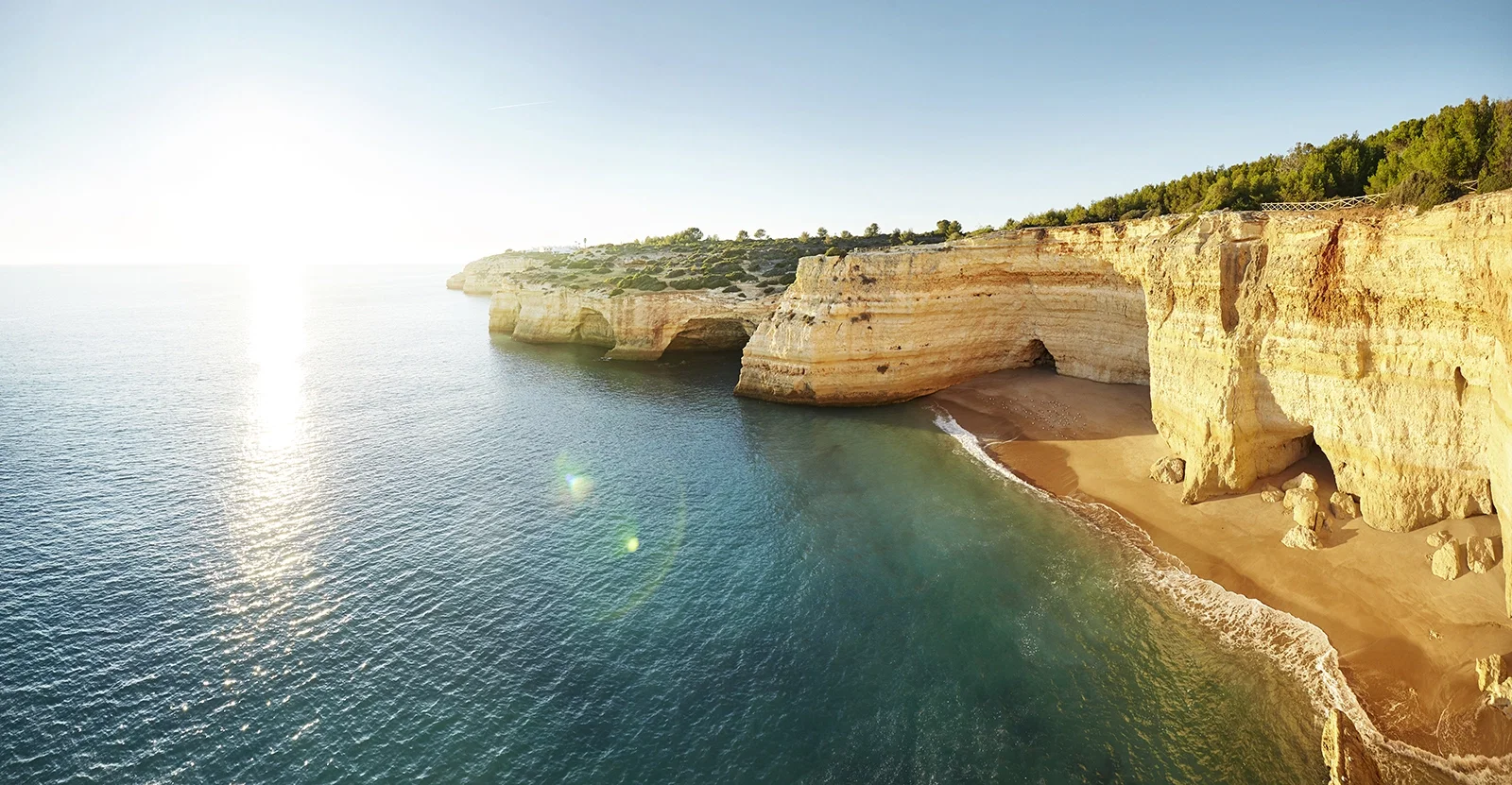
The Faro district enjoys a mild, dry Mediterranean climate, with long, hot summers (30–35 °C) and gentle winters (lows rarely below 8 °C). Spring and autumn are ideal for cultural visits and walking, with pleasant temperatures and fewer crowds. It is one of the sunniest regions in Europe, which makes it a top destination all year round, especially for those seeking sun and nature.
[widget_weather]
Featured Cities, Towns and Places
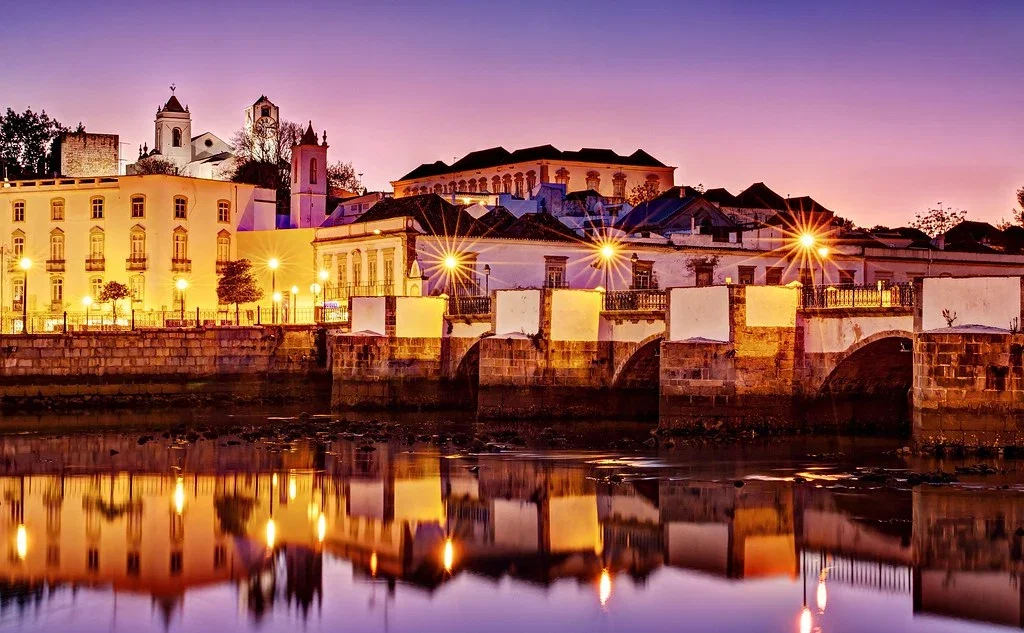
- Faro – District capital, with a historic centre, marina, Ria Formosa and a lively cultural scene.
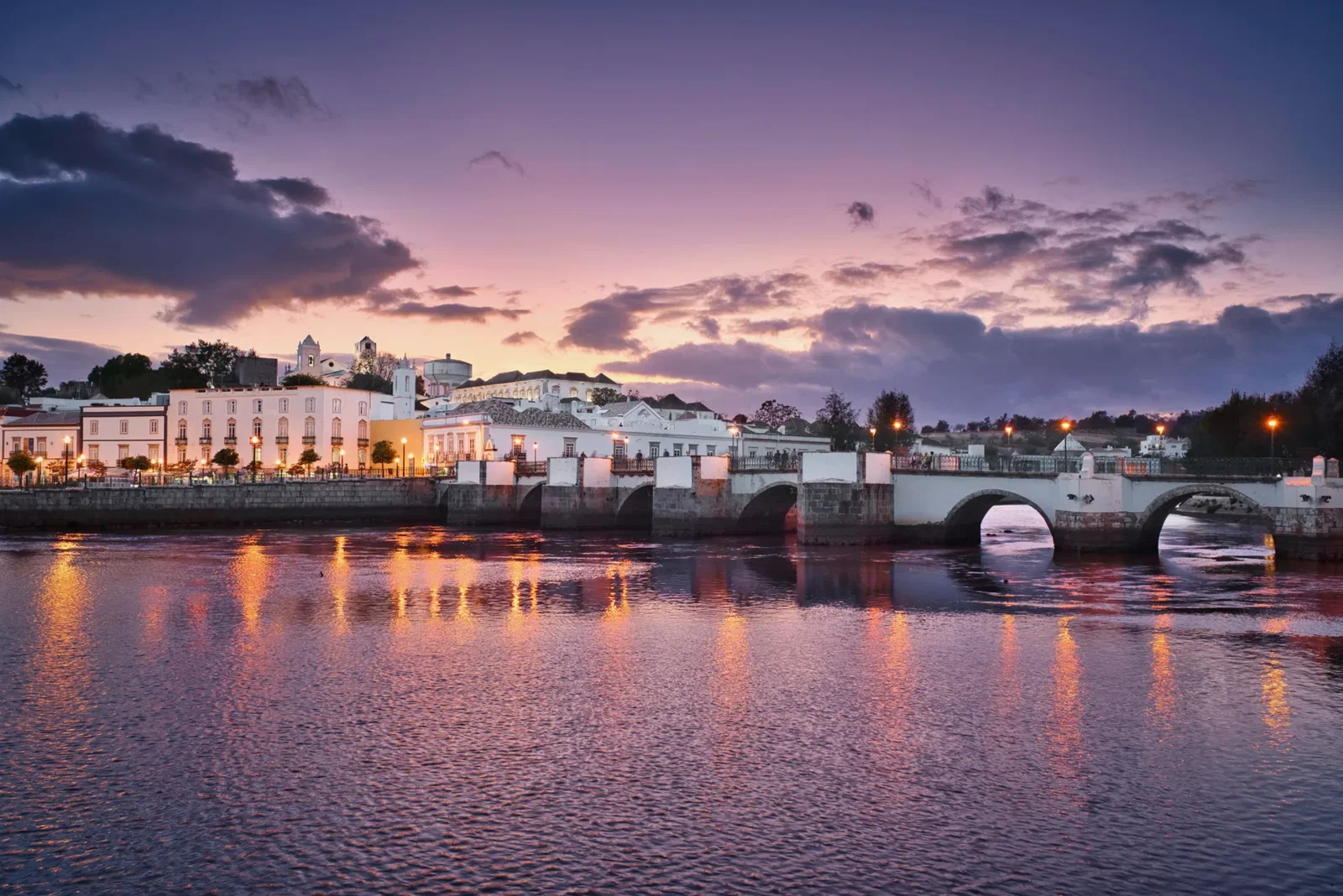
- Tavira – Charming town with Roman bridges, churches, a market and salt pans.
- Silves – Former Arab capital with an imposing castle and Moorish traditions.
- Loulé – Crafts hub, with a castle, market and festivals.
- Lagos – Historic town with stunning beaches and strong ties to the sea.
- Portimão – Urban life, sailing events and seafood cuisine.
- Alcoutim – Peaceful village on the Guadiana, with views over Spain.
- Monchique – Spa resort in the hills, with villages and rustic cooking.
- Vila Real de Santo António – Pombaline town at the mouth of the Guadiana.
- Aljezur – Unspoilt nature, cliffs and wild beaches of the Costa Vicentina.
Unmissable Events in Faro
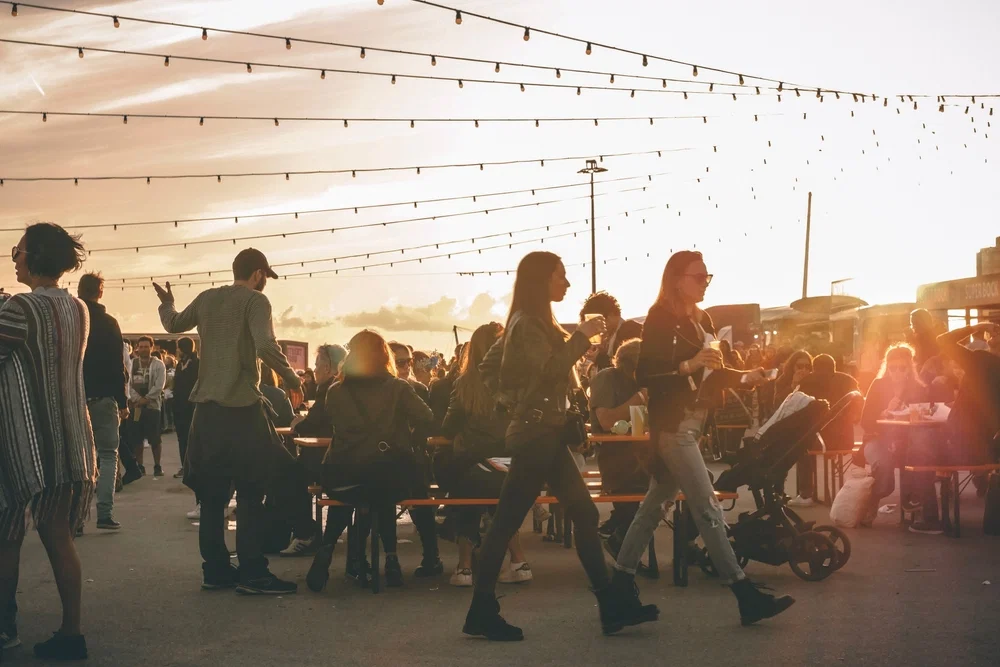
- Festival MED (June, Loulé) – World music festival with dozens of concerts and international food.
- Festival do Marisco de Olhão (August) – Food event with fresh seafood, concerts and crafts.
- FATACIL (August, Lagoa) – The Algarve's largest agricultural and trade fair, with exhibitors, shows and regional products.
- Noites d’Encanto (summer, Tavira) – Evening entertainment with shows, live music and exhibitions.
- Festa da Ria Formosa (July, Faro) – A celebration of maritime traditions, with food, music and boat trips.
Local Tips and Curiosities
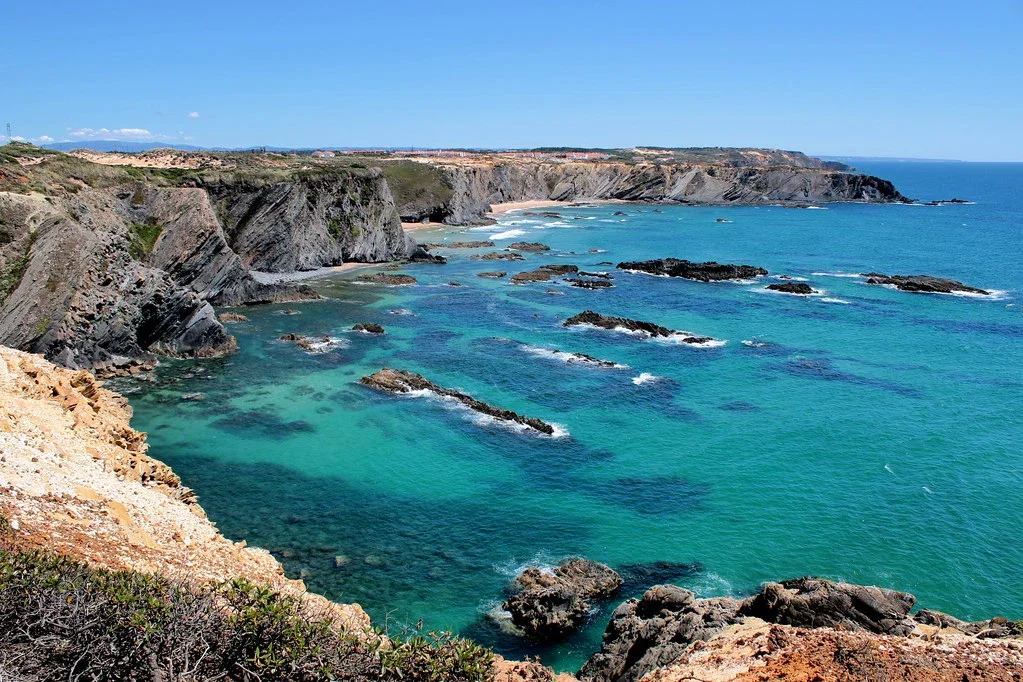
- Faro's Ilha Deserta can only be reached by boat and offers one of the wildest beaches in Portugal.
- The Ria Formosa is one of Europe's main natural nurseries for seahorses.
- The Castelo de Silves is one of the best-preserved Islamic castles in the country.
- Monchique honey has won international awards for its purity and flavour.
- The Costa Vicentina, at the far western end of the district, is part of the Parque Natural do Sudoeste Alentejano e Costa Vicentina.
Why Visit the Faro District?
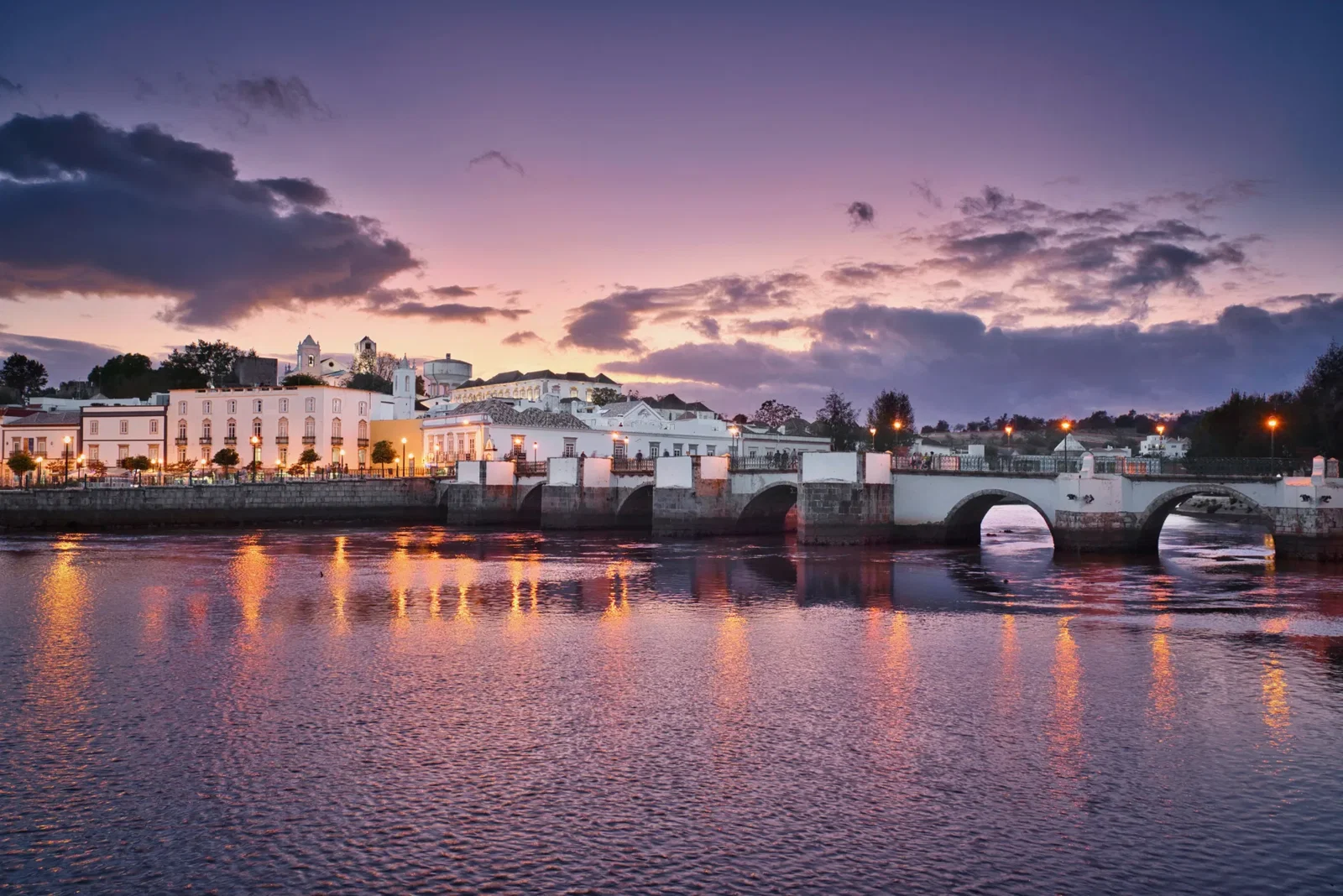
The Faro district offers much more than beaches: it offers identity, history, unique flavours and authentic experiences between the sea and the hills. You can visit medieval villages at sunrise, swim among dolphins at midday and dine under the stars on a terrace overlooking salt pans. The Algarve is not just summer: it is culture, nature, tradition and reinvention. Even after you leave, the urge to return is inevitable.
Explore the District with our tours
Descubra os melhores tours no Distrito de Faro: passeios de barco pela Ria Formosa, visitas às ilhas-barreira, passeios a parques naturais, provas de vinhos algarvios e experiências culturais únicas.
Planner with AI
Plan your visit to Distrito de Faro
Choose how many days you have and what you like, and we'll build an itinerary with real places in the area.
Ver roteiros prontos (29)Places to visit in Distrito de Faro
Explore os locais mais especiais do Distrito de Faro: praias de areia dourada, cidades históricas como Faro e Tavira, aldeias pitorescas, reservas naturais intocadas e mercados tradicionais cheios de sabor.
-
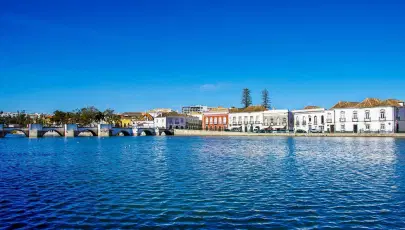
Largo da Misericórdia
Cabanas de Tavira, Algarve
-
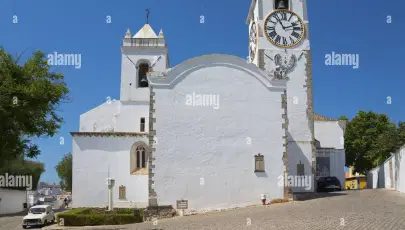
Igreja de Santa Maria do Castelo
Cabanas de Tavira, Algarve
-
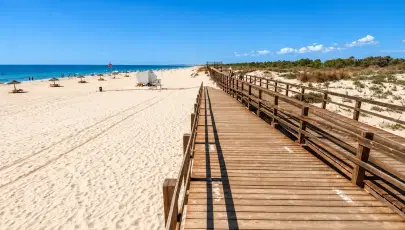
Praia da Ponta da Areia
Vila Real de Santo António, Algarve
Where to eat in Distrito de Faro
-
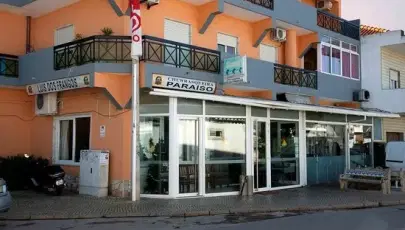
Luís dos Frangos
São Brás de Alportel, Algarve
-
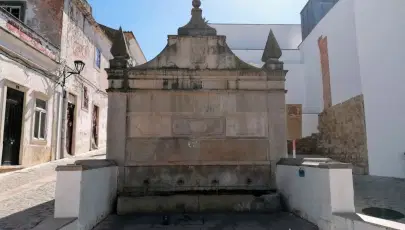
Bica Velha
Loulé, Algarve
-
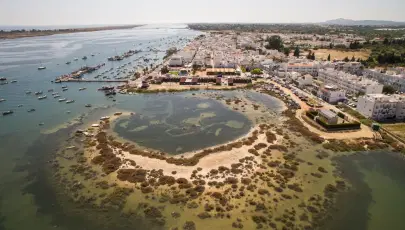
A ver Tavira
Cabanas de Tavira, Algarve
Things to do in Distrito de Faro
-
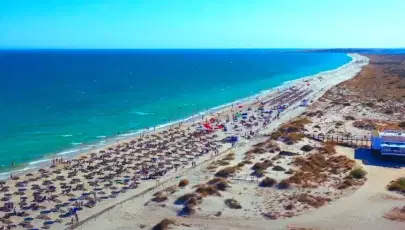
Camera Obscura - Tavira EYE
Cabanas de Tavira, Algarve
-
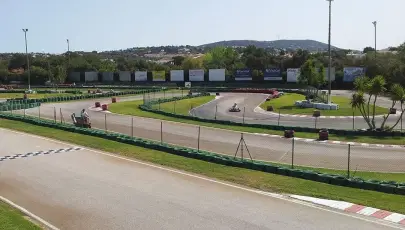
Karting Almancil
Almancil, Algarve
-
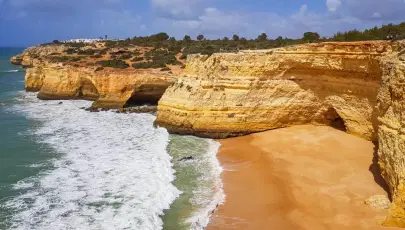
Percurso dos Sete Vales Suspensos
Lagoa, Algarve
Eventos neste distrito
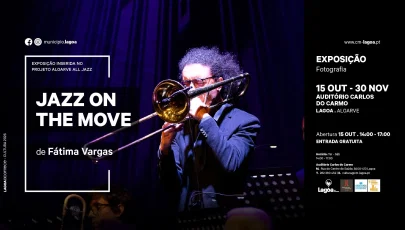
Explore the area
Municipalities and towns
District Map
Frequently asked questions
The best time to visit the Faro District is from April to October, when temperatures are warmer, there is plenty of sunshine and the sea is perfect for swimming and water sports.
Be sure to try cataplana de marisco (seafood cataplana), açorda de gambas (prawn açorda), fresh grilled fish, amêijoas à Bulhão Pato (clams with garlic and coriander) and regional desserts made with figs and almonds.
Visit the Ria Formosa Natural Park, the beaches of Ilha Deserta and Ilha do Farol, the cliffs of Ponta da Piedade and the salt pans of Castro Marim and Vila Real de Santo António.
Yes, you can watch dolphins and birds in the Ria Formosa, and there are boat trips that let you spot flamingos, herons and other species in the protected area.
The climate is Mediterranean, with hot, dry summers and mild, damp winters; summer temperatures hover around 25–30 °C, while in winter they rarely drop below 10 °C.
Leave your comment here
Review sent
Comments (0)
No comment yet. Be the first to share your experience.