 Alemanha
 Brasil
 English (UK)
 Espanha
 França
 Portugal
Coimbra District
Explore the
Coimbra District, Portugal
About the Coimbra District
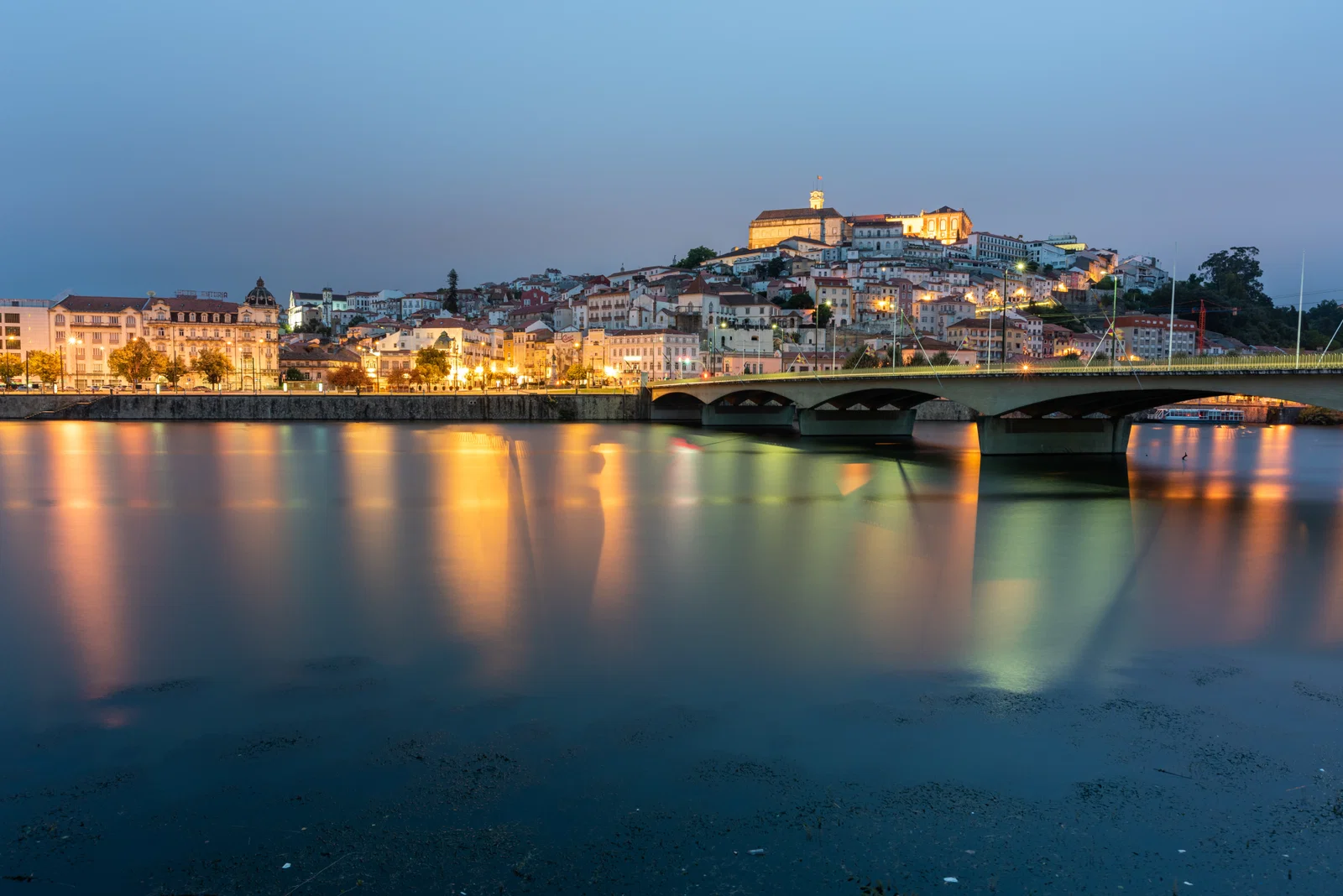
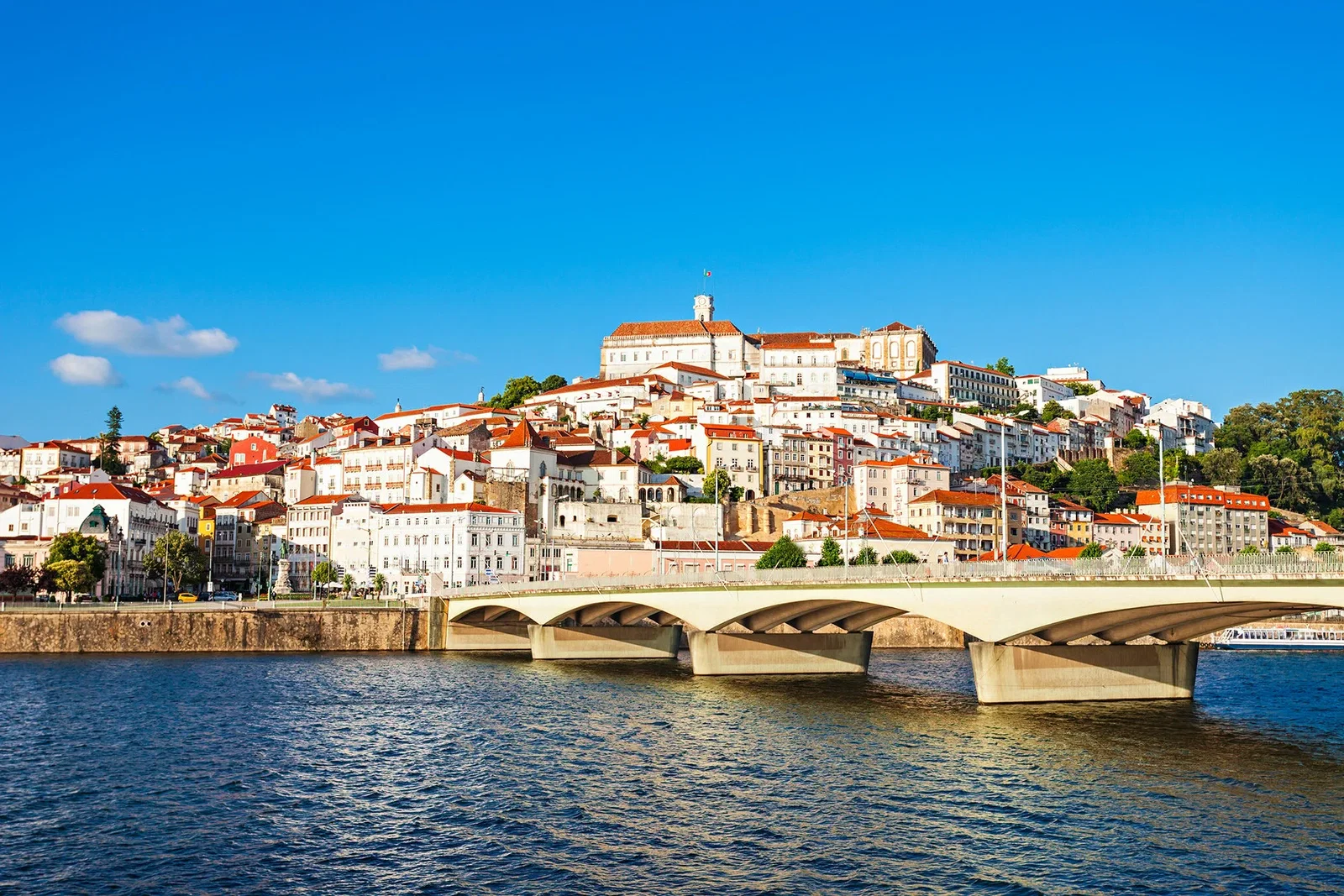
The Coimbra District, located in the Central region of Portugal, is a perfect synthesis of culture, history, nature, and academic tradition. Crossed by the Mondego river, this territory unites the Atlantic coast with the inland mountains, housing typical villages, medieval towns, and vibrant cities. Coimbra is known for its centuries-old university, its legends, its unique heritage, and the youthful atmosphere that coexists with centuries of history. It is a district that invites discovery, whether through its monuments, river beaches, mountain trails, or the warm hospitality of the Beira region.
Culture and Heritage
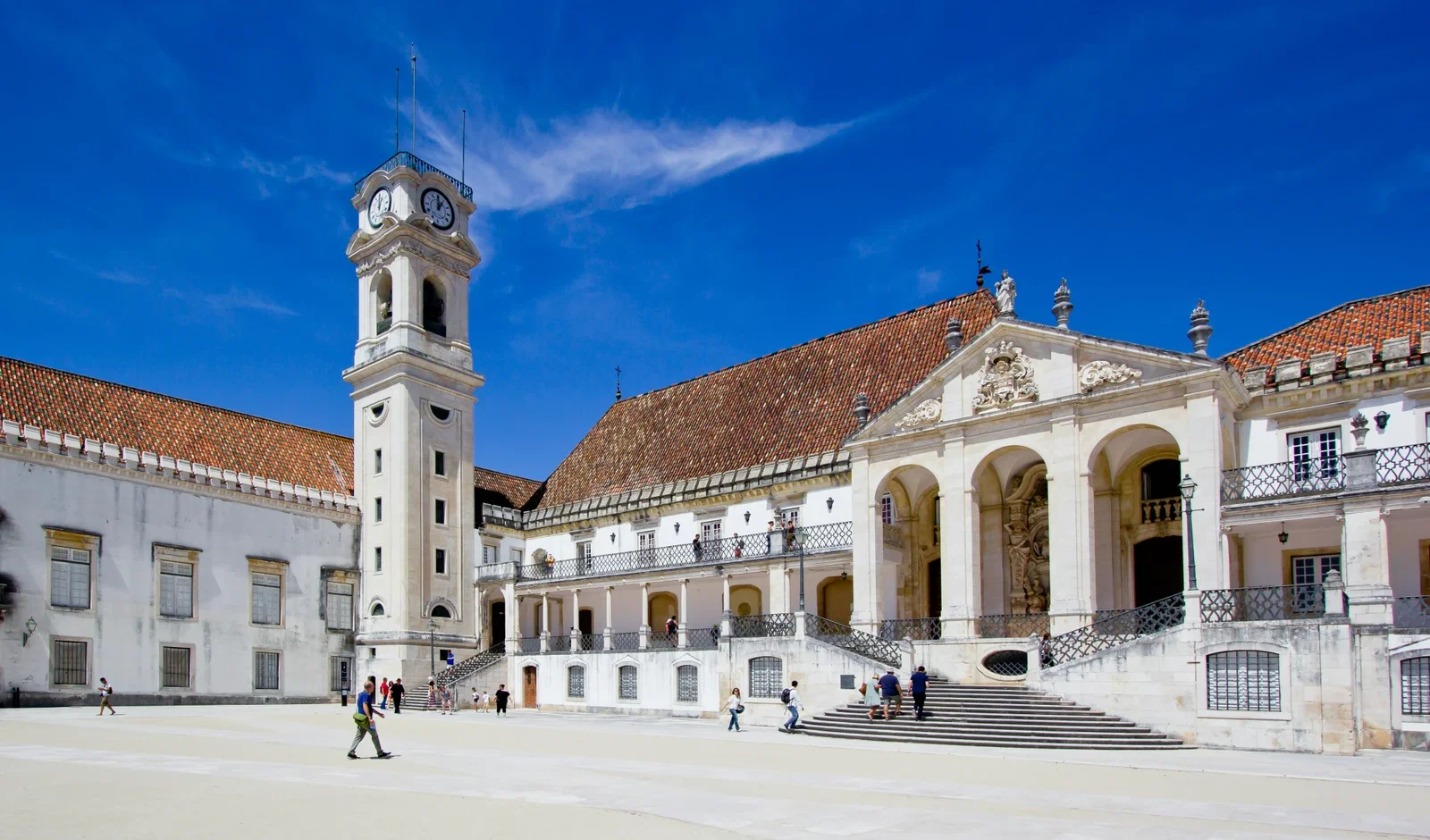
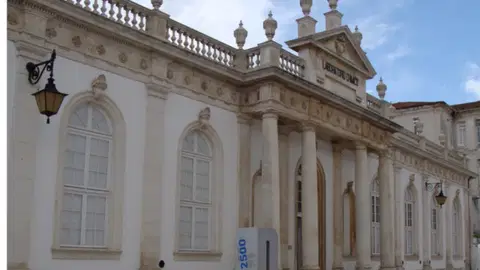
A cradle of kings and knowledge, Coimbra takes pride in its University, one of the oldest in Europe and classified as a UNESCO World Heritage site. The Paço das Escolas, the Biblioteca Joanina, the Capela de São Miguel, and the University Tower are true landmarks of knowledge and Baroque architecture. But the district’s heritage goes beyond the city of students: Conímbriga, one of the largest Roman ruins in the Iberian Peninsula, Montemor-o-Velho, with its imposing castle, and the Mosteiro de Santa Clara-a-Velha reflect centuries of history. Academic traditions, such as the Queima das Fitas and the fado de Coimbra serenades, give the district a unique cultural identity.
Gastronomy
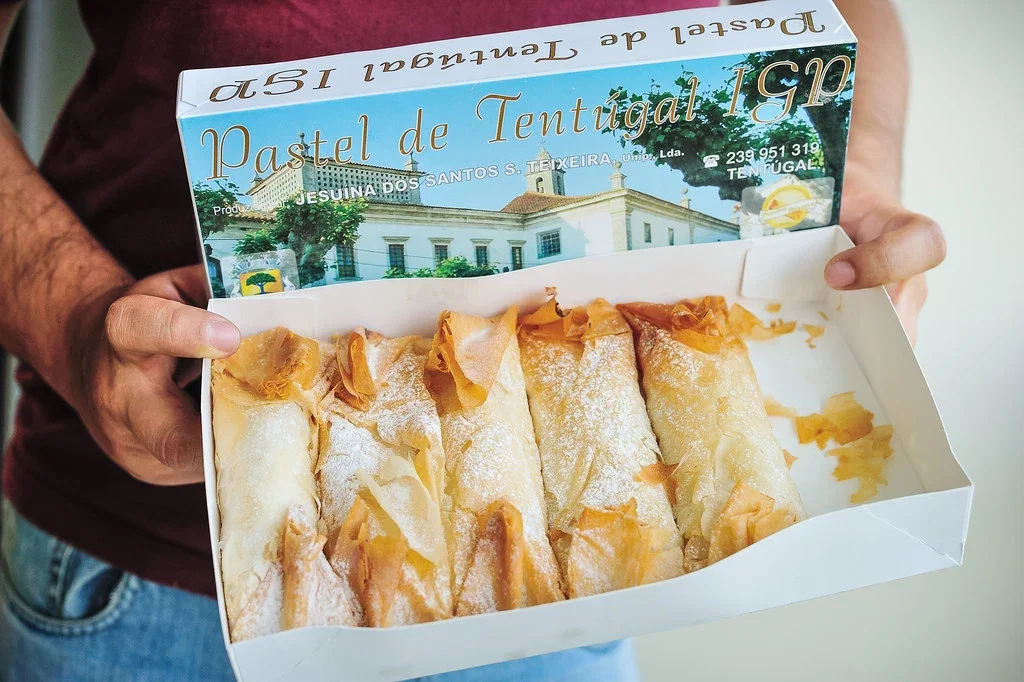
The cuisine of Coimbra is tasty, traditional, and comforting. Highlights include the Bairrada suckling pig, slow-roasted in wood-fired ovens and served with orange and chips, lamprey rice, chanfana (goat stew), eel stew, sopa de pedra, rojões à moda da Beira, among other rural-based dishes. Conventual confectionery is one of the region's great hallmarks, with pastéis de Santa Clara, arrufadas de Coimbra, pão-de-ló de Lorvão, pastéis de Tentúgal, and nevados de Penacova. To accompany, the prestigious Bairrada wines, especially sparkling wines, and the fresh white wines from the Anadia and Cantanhede region.
Crafts and Regional Products

Traditional Coimbra crafts reflect a varied heritage: glazed ceramics, artistic tiles, hand embroidery, and woodwork and basketry stand out. Regional products include rosemary honey, Beira olive oil, chestnuts, certified Bairrada wines, smoked sausages, conventual sweets, traditional cornbread, and dry-land fruits. Local markets and seasonal fairs, such as the Feira dos 23 in Coimbra, are great places to discover and buy authentic products directly from the producers.
Nature and Outdoor Activities
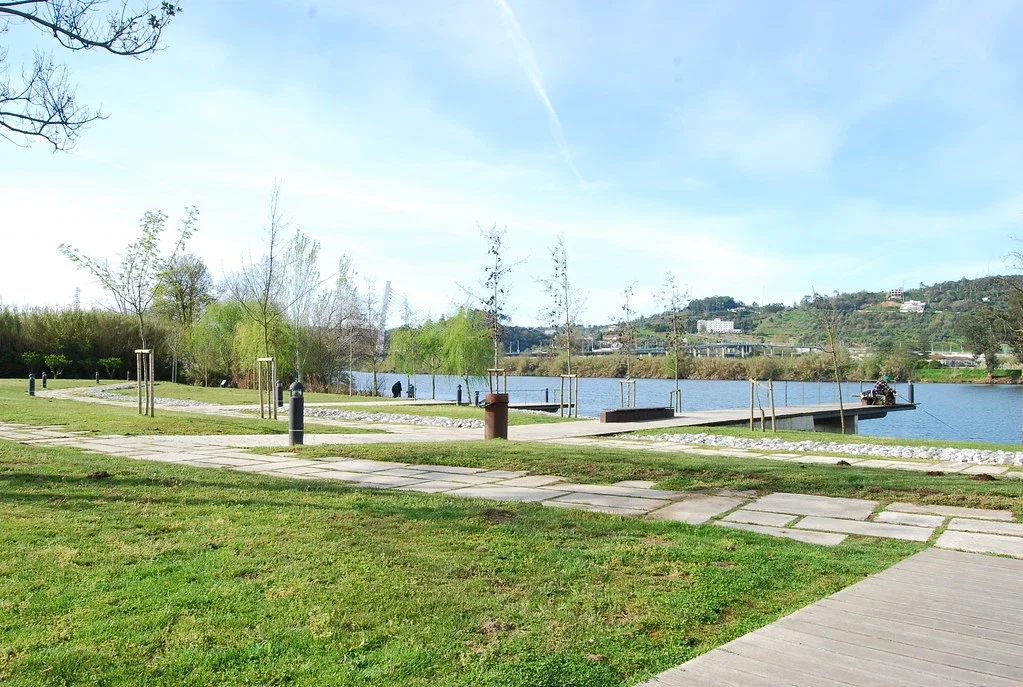
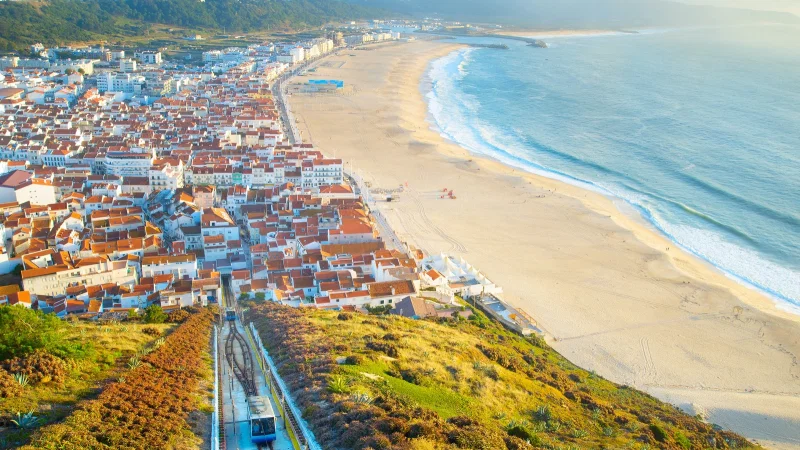
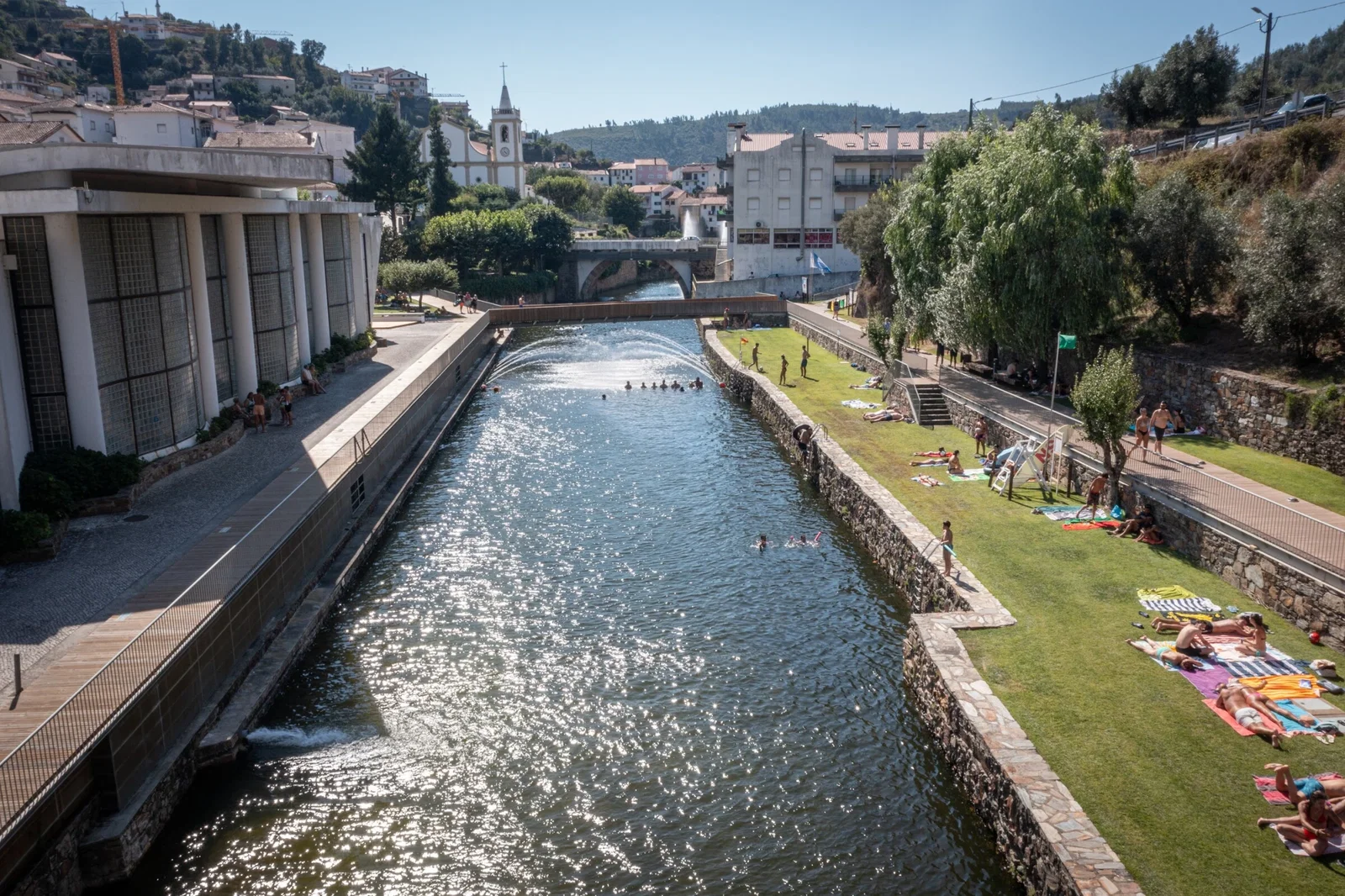
The natural diversity of the Coimbra district allows for outdoor activities for all tastes. On the coast, beaches such as Figueira da Foz and Tocha offer extensive sands, perfect waves for surfing, and excellent seafood cuisine. Inland, the Serra do Açor, the Mata da Margaraça, the Schist Villages, the river beaches of the Mondego, and the Penedo Furado in Vila Nova de Poiares are ideal for hiking, canoeing, mountain biking, climbing, picnics, or simple contemplation. The Parque Verde do Mondego, in Coimbra, invites urban walks by the river, boat trips, and outdoor activities with a view of the historic city.
Climate
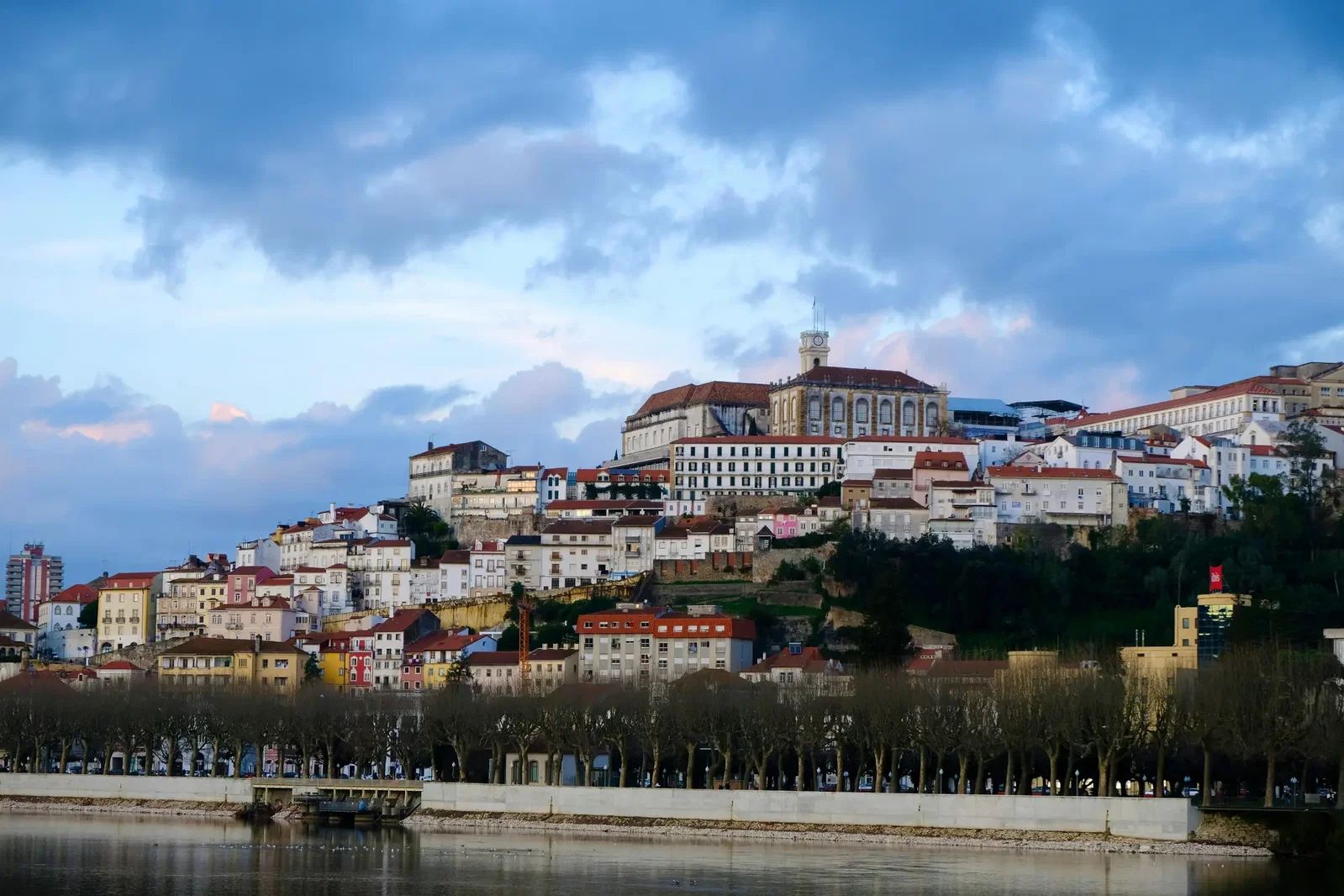
The Coimbra district has a temperate Mediterranean climate, with hot summers (highs between 28–34 °C) and mild, humid winters (lows rarely below 5 °C). The coastal zone is influenced by the Atlantic, while the interior presents a greater thermal amplitude. Spring and autumn are ideal for exploring the region: pleasant temperatures, green landscapes, and fewer tourists.
[widget_weather]
Featured Cities, Towns, and Locations
- Coimbra – Former capital of Portugal, university city, cradle of academic traditions, and world heritage site.
- Figueira da Foz – Seaside resort with beach, casino, gastronomy, and cultural events.
- Montemor-o-Velho – Historic town with an imposing castle and agricultural tradition.
- Mealhada – Capital of roast suckling pig and gateway to the Bussaco forest.
- Penacova – River landscapes, windmills, and typical villages.
- Lousã – Gateway to the Schist Villages and the trails of the Serra da Lousã.
- Mira – Beach with blue flag and natural lagoons.
- Pampilhosa da Serra – Natural refuge with river beaches and dark skies for astrotourism.
- Arganil – Charming town with mountain traditions and excellent trails.
Unmissable Events in Coimbra
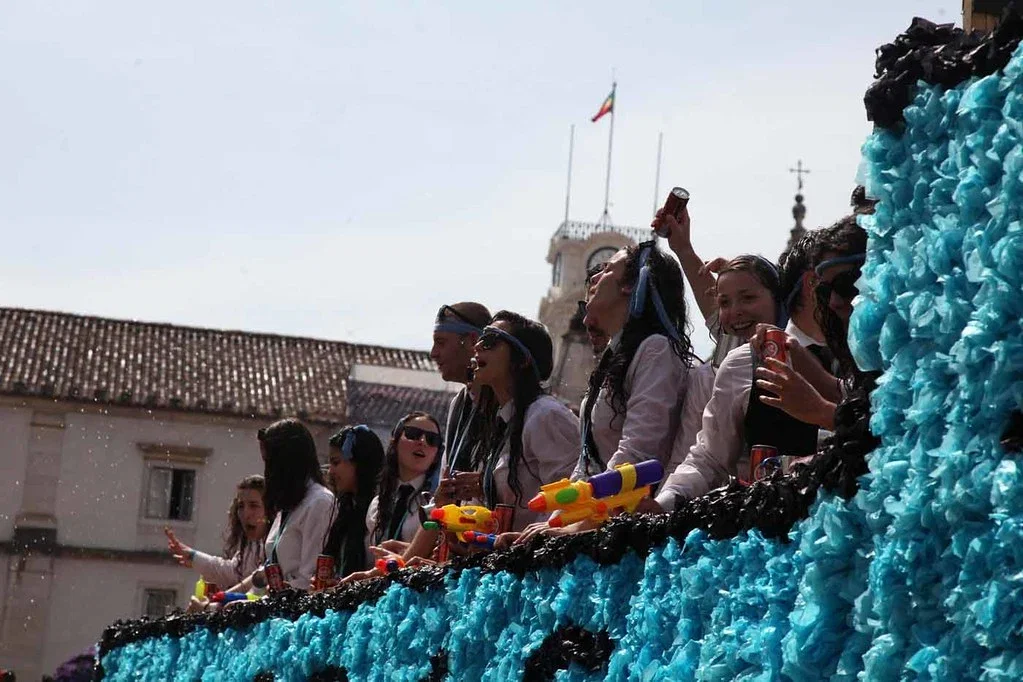
- Queima das Fitas de Coimbra (May)– Academic week with serenades, parade, concerts, and student traditions.
- Festival do Bacalhau e Fado (summer, Figueira da Foz)– Seafood gastronomy with traditional music.
- University of Coimbra Cultural Week (spring)– Concerts, exhibitions, theatre, and debates open to the public.
- Penela Medieval Fair (August)– Historical recreation with costumes, dances, crafts, and period food.
- Resende Cherry Festival (June)– Gastronomic and cultural event with tastings and regional market.
- Chanfana Festival (October, Miranda do Corvo)– Exaltation of this regional dish with cultural activities.
Local Tips and Curiosities
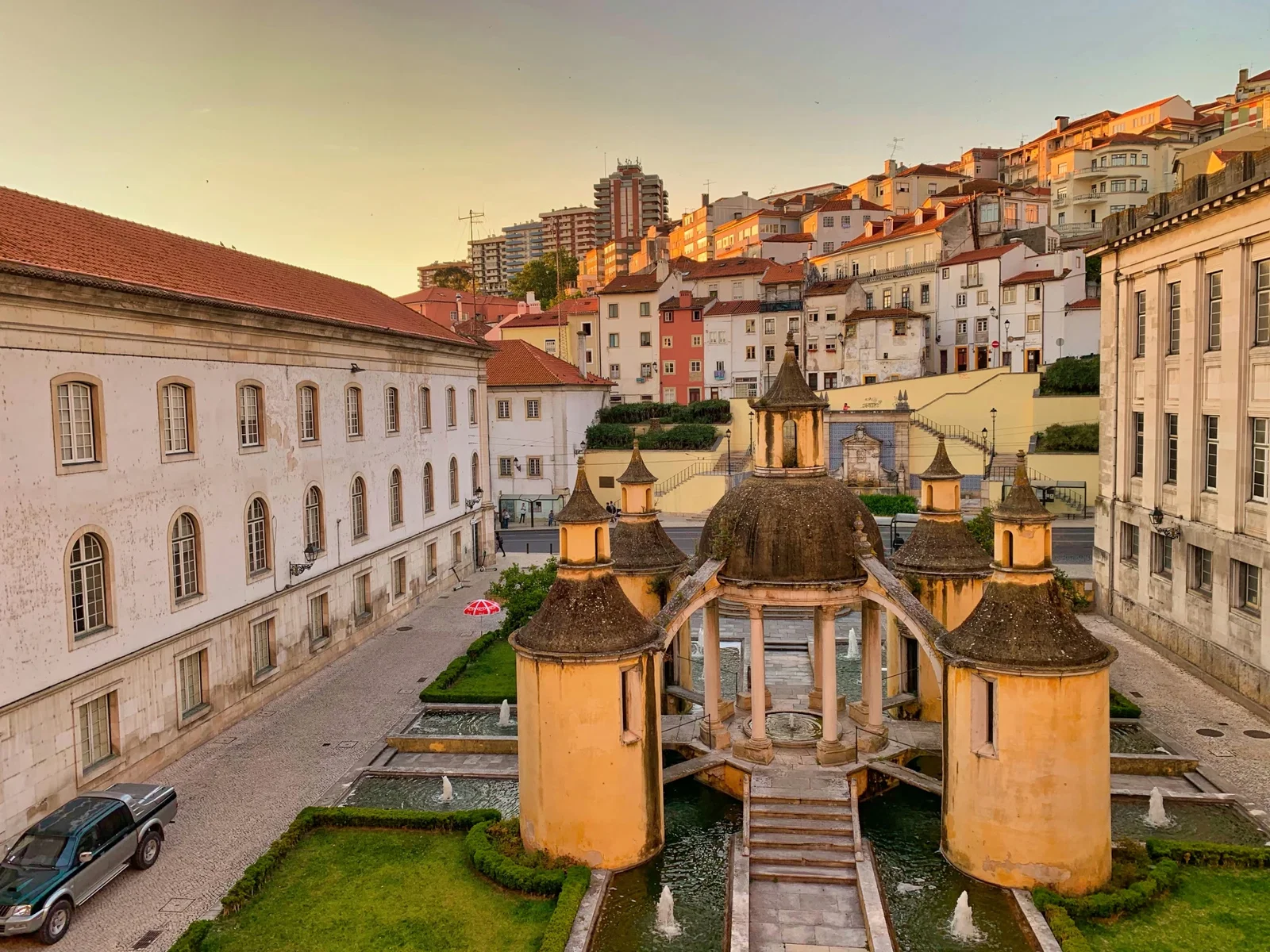
- The Biblioteca Joanina, built in the 18th century, is one of the most impressive in Europe.
- Coimbra was the capital of the Kingdom of Portugal between 1131 and 1255.
- The fado de Coimbra is sung only by men, wearing black capes, and has student origins.
- The region is rich in blue-flag river beaches, ideal for families.
- Buçaco has a centuries-old forest with exotic species and the Palácio do Bussaco, an icon of Portuguese romanticism.
Why Visit the Coimbra District?
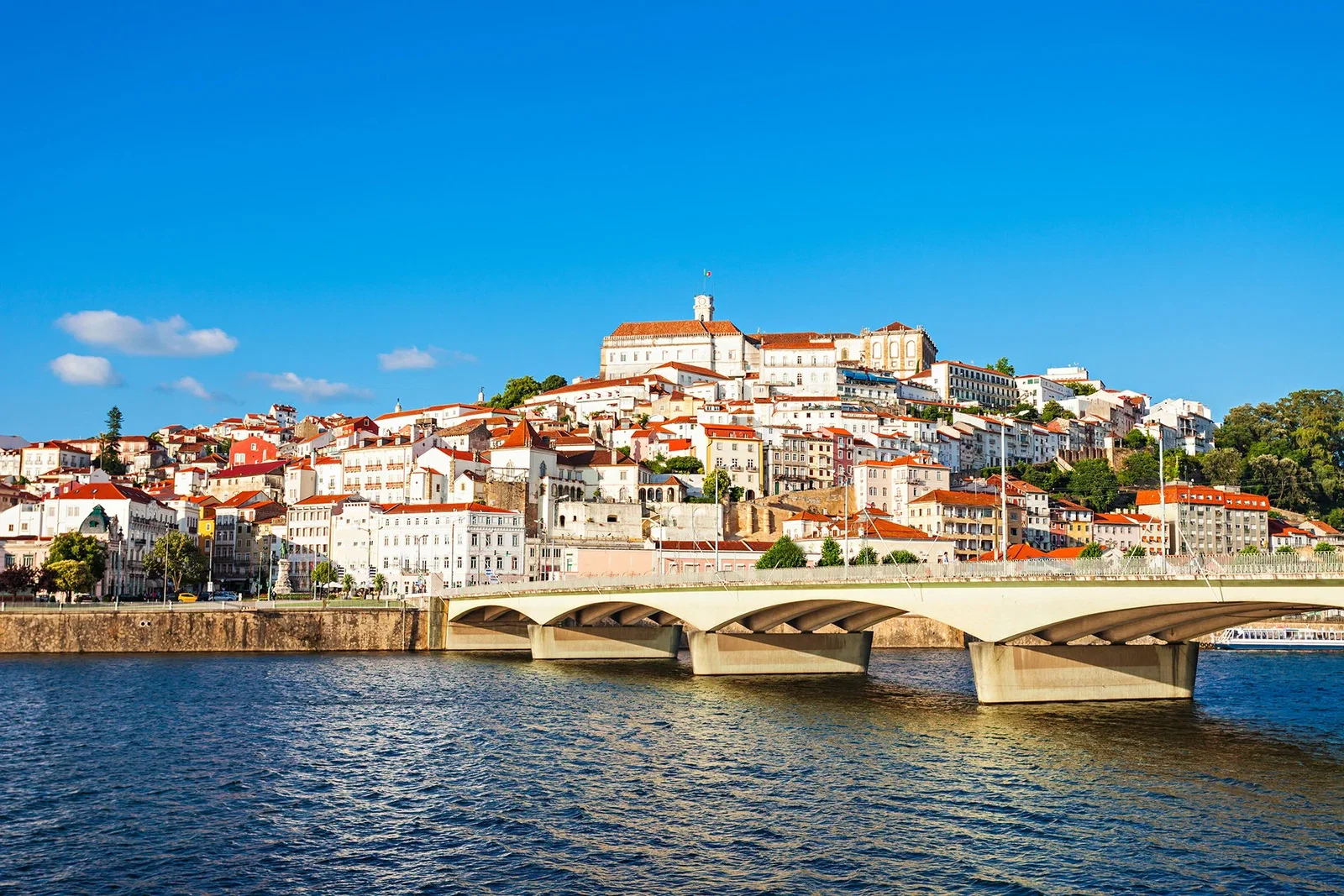
The Coimbra district unites the wisdom of its universities with the soul of its mountains and the freshness of its beaches. It is a region where culture vibrates in every street, where you can taste tradition in every meal, and where natural trails blend with legends and songs. Visiting the Coimbra district is experiencing the most profound, diverse, and surprising side of Portugal, a place that touches those who seek emotion, history, flavours, and landscapes in a single destination.
Explore the District with our tours
Planeie itinerários autónomos pelo Distrito de Coimbra: percorra a pé o percurso da Rota das Aldeias do Xisto, explore o Mondego de caiaque self-drive, descubra trilhos de bicicleta pela Serra da Lousã e siga rotas secretas junto ao Rio Ceira para praias fluviais escondidas.
Planner with AI
Plan your visit to Distrito de Coimbra
Choose how many days you have and what you like, and we'll build an itinerary with real places in the area.
Ver roteiros prontos (3)Places to visit in Distrito de Coimbra
Descubra de forma independente os locais mais especiais do Distrito de Coimbra: a histórica Universidade de Coimbra e Biblioteca Joanina, as aldeias do Xisto, as cascatas da Fraga da Pena, a Mata Nacional do Choupal e as praias fluviais das margens do Mondego.
-
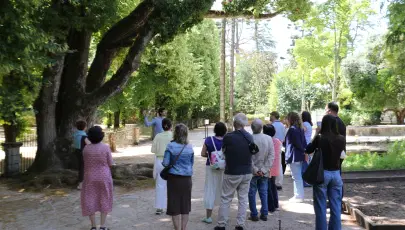
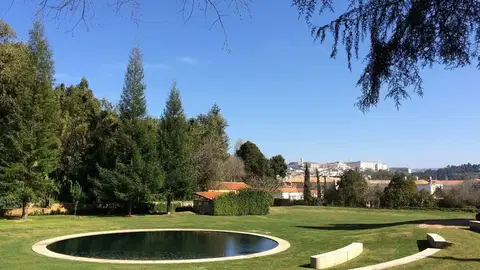
Jardim Botânico da Universidade de Coimbra
Coimbra, Centro
-
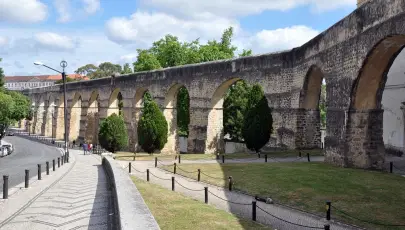
Aqueduto de São Sebastião
Coimbra, Centro
-
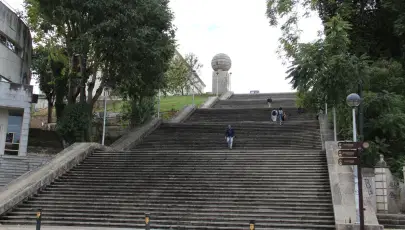
Escadas Monumentais
Coimbra, Centro
Where to eat in Distrito de Coimbra
-

Fogo e Tradição
Coimbra, Centro
-

La Divina's Pizzeria
Coimbra, Centro
-
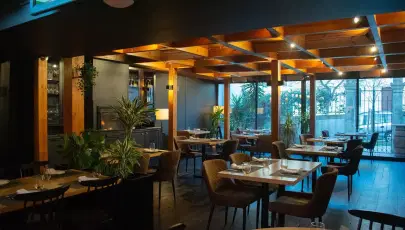
Papa Restaurante
Coimbra, Centro
Things to do in Distrito de Coimbra
-
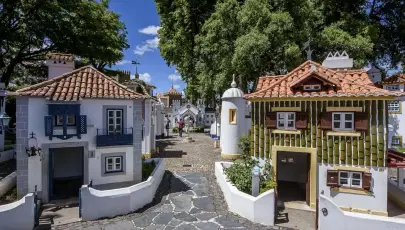
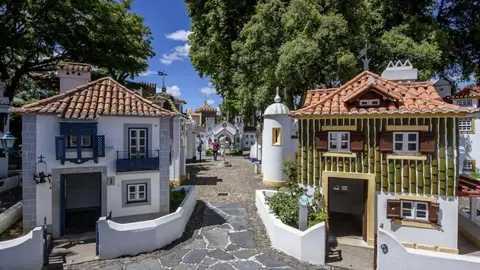
Portugal dos Pequenitos
Coimbra, Centro
Eventos neste distrito

Explore the area
Municipalities and towns
District Map
Frequently asked questions
The best time to visit the Coimbra District is from spring to early autumn (April to October), enjoying the mild climate for hiking, canoeing in Mondego and to see the flowering of the villages of Xisto.
Be sure to taste the piglet to Bairrada, the goat chamfers, the lamprey rice (at the time), Lorvão's cheeses and the Barcouço Loin bread.
Visit the Serra da Lousã and the villages of Xisto, explore the Mata Nacional do Choupal, discover the waterfalls of Fraga da Pena and relax on the river beaches of the River Mondego and Ceira.
Yes, in the protected areas of Serra da Lousã and on the banks of Mondego you can observe several water birds, raptors and, on less frequent trails, foxes and badgers.
The climate is Mediterranean atlantic, with moderate hot summers (average of 25 °C) and mild and humid winters (average of 8–12 °C), with more intense precipitation between November and March.
Leave your comment here
Review sent
Comments (0)
No comment yet. Be the first to share your experience.