 Alemanha
 Brasil
 English (UK)
 Espanha
 França
 Portugal

Lisbon District
Explore the
Lisboa District, Portugal
About the Lisboa District
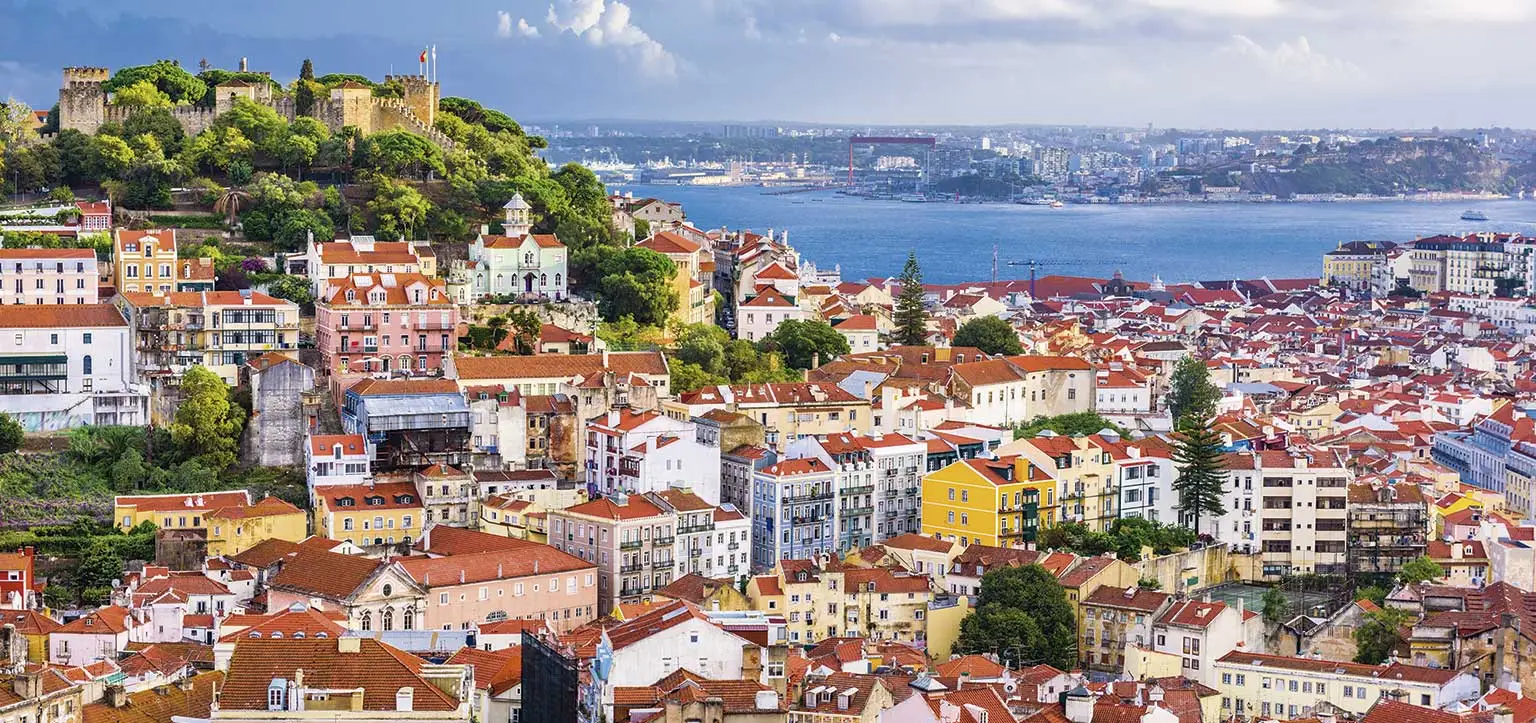
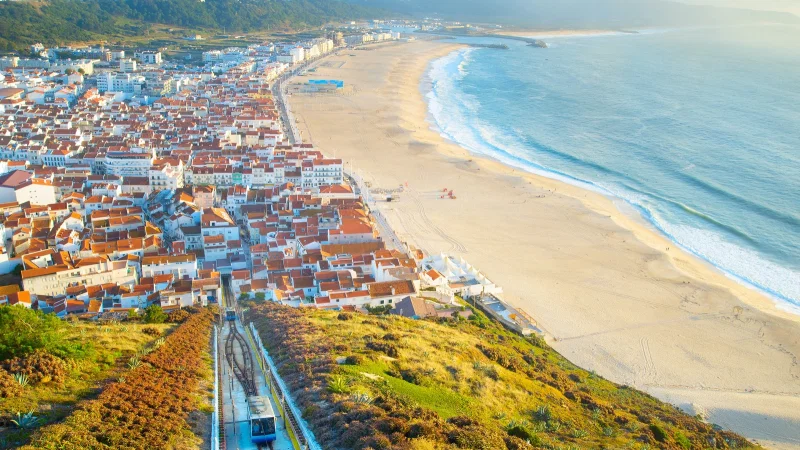
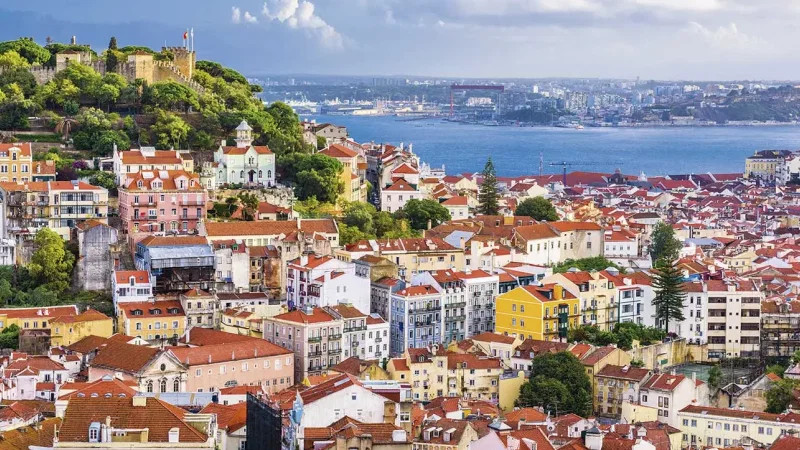
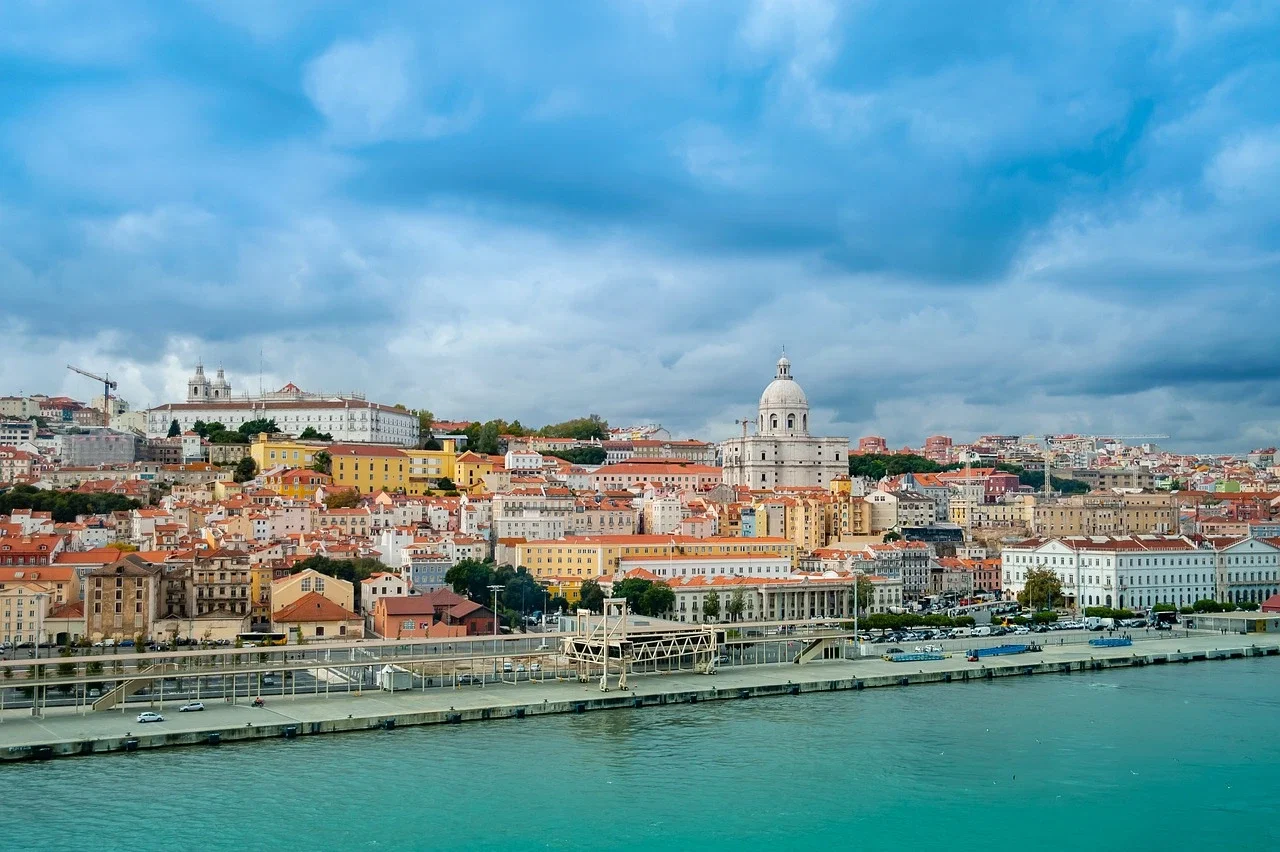
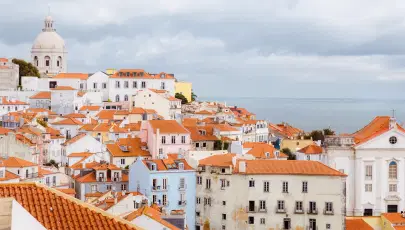
The Lisboa District, in the Lisboa e Vale do Tejo region, is where Portugal's past meets its future. With its namesake capital as the country's political, economic and cultural centre, the region delights with its diversity: Manueline palaces, Atlantic beaches, historic villages, lush green hills and a cuisine rich in Atlantic and Mediterranean flavours. Lisboa is a global city with a neighbourhood soul, but the district is much more than the capital: it stretches to the beaches of Cascais, the cliffs of Arrábida and the mystique of Sintra.
Culture and Heritage
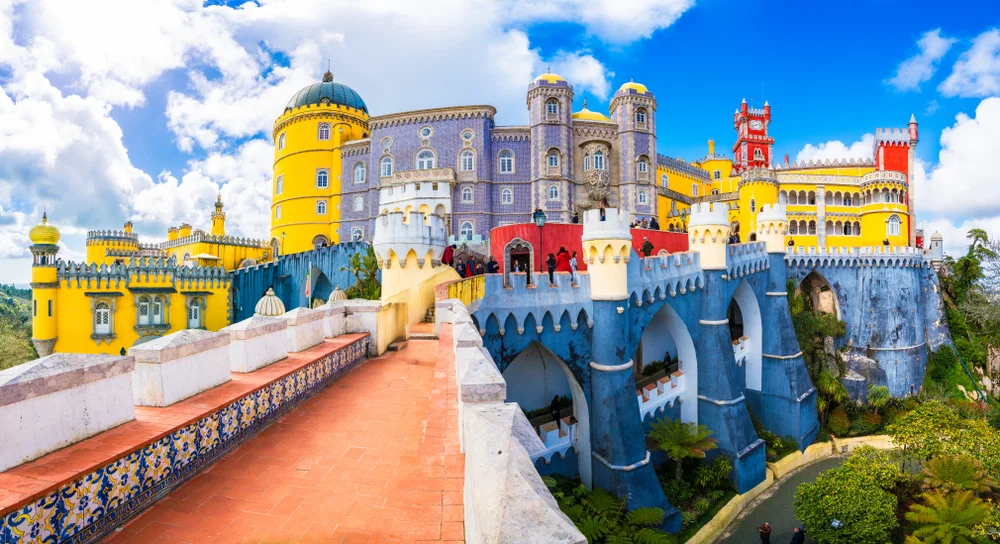
The Lisboa District, in the Lisboa e Vale do Tejo region, is where Portugal's past meets its future. With its namesake capital as the country's political, economic and cultural centre, the region delights with its diversity: Manueline palaces, Atlantic beaches, historic villages, lush green hills and a cuisine rich in Atlantic and Mediterranean flavours. Lisboa is a global city with a neighbourhood soul, but the district is much more than the capital: it stretches to the beaches of Cascais, the cliffs of Arrábida and the mystique of Sintra.
Gastronomy

The district's cuisine is defined by fresh fish and traditional flavours with a touch of cosmopolitan sophistication. Dishes such as sardinha assada (grilled sardines), caldeirada (fish stew), bacalhau à Brás, amêijoas à Bulhão Pato (clams in garlic and coriander) and peixinhos da horta are part of Lisboa's identity. The arroz de marisco (seafood rice) of Cascais, caracóis à portuguesa, the cozido of Mafra and the cabrito assado (roast kid) of the district's inland areas reveal its diversity. Sweets are led by the iconic pastéis de nata (custard tarts), travesseiros de Sintra, queijadas de Oeiras, pão-de-ló de Loures and tortas de Azeitão. To go with them, there are fine wines from Bucelas and Colares, as well as the traditional Ginjinha de Lisboa.
Crafts and Regional Products
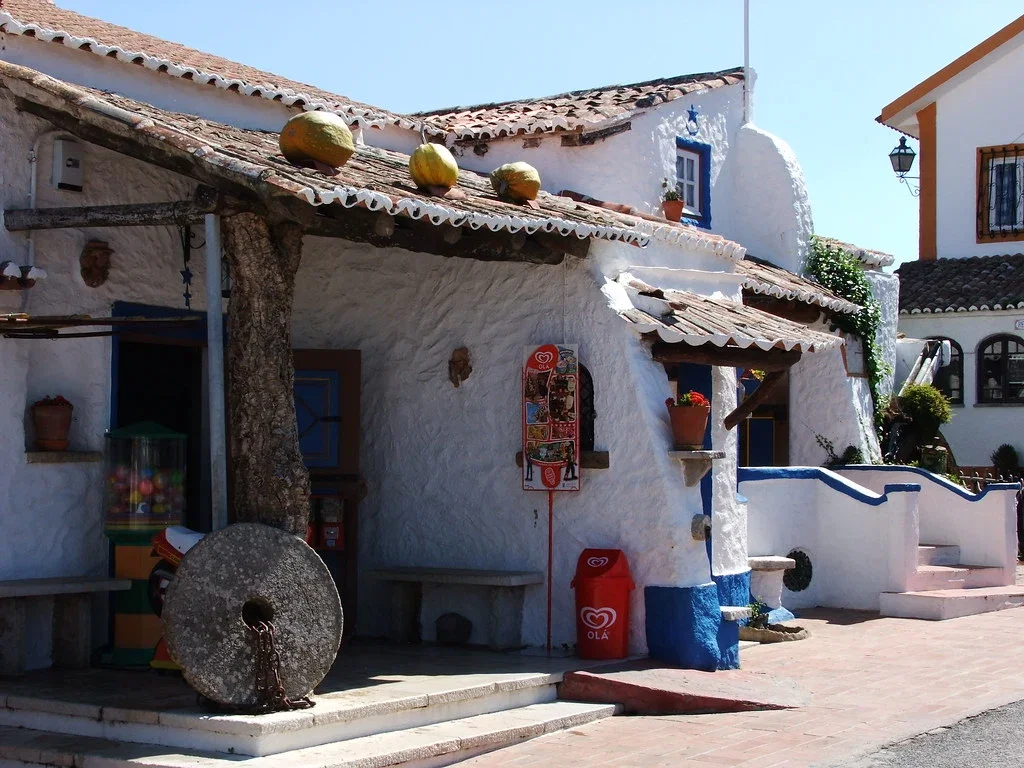
The district keeps its craft traditions alive: hand-painted azulejo tiles, cork and leather work, bobbin lace from Oeiras, decorative rugs, sacred art, Mafra ceramics and wicker and straw goods. Standout regional products include Colares wine, Bucelas white wine, virgin olive oil from Loures, honey from the Sintra hills, enchidos (cured sausages) from Caneças, Azeitão cheeses, Mafra bread, organic jams and artisan tinned fish from the coastal areas.
Nature and Outdoor Activities
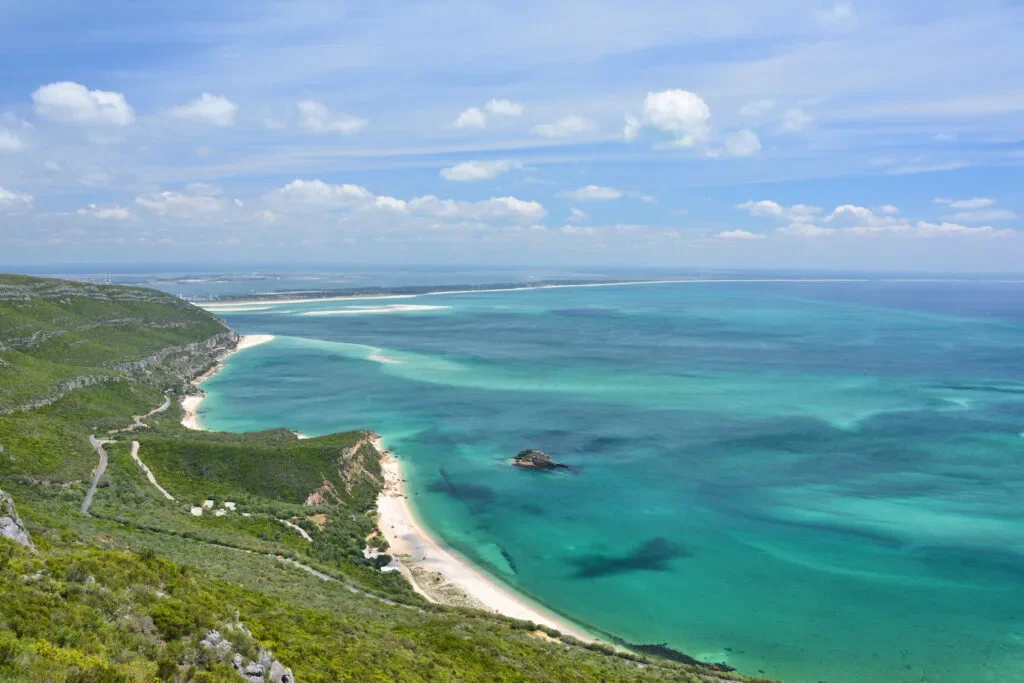
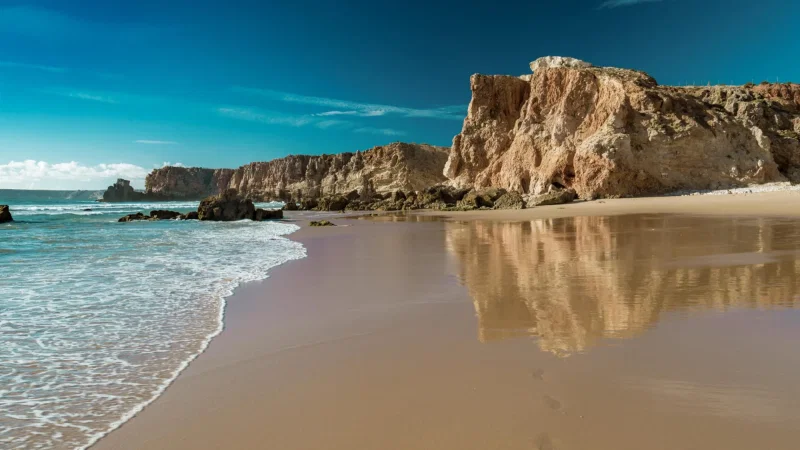
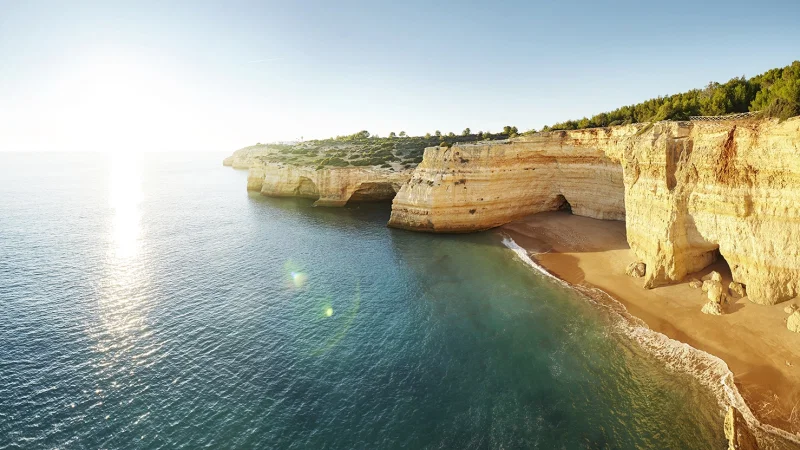
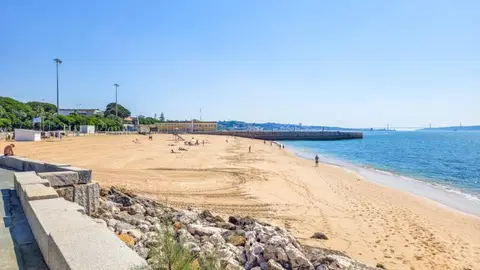
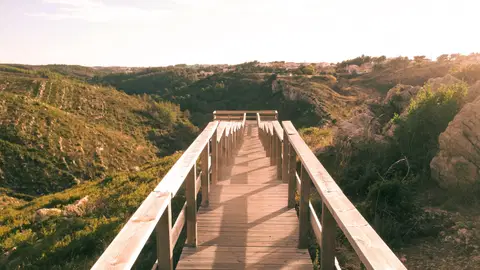
Despite being the most urban region in the country, the Lisboa District offers a surprising variety of natural spaces. The Serra de Sintra, with its mist-shrouded trails and lush vegetation, is ideal for hiking, climbing and birdwatching. The Cascais coast offers Atlantic beaches for surfing, bodyboarding, sailing and diving. The Parque Natural da Arrábida, on the district's southern edge (near Sesimbra and Setúbal), boasts cliffs, coves and incredible trails. In Oeiras, Almada and Lisboa, riverside cycle paths, historic gardens, urban miradouros (viewpoints) and boat trips on the Tejo round off the offer.
Climate
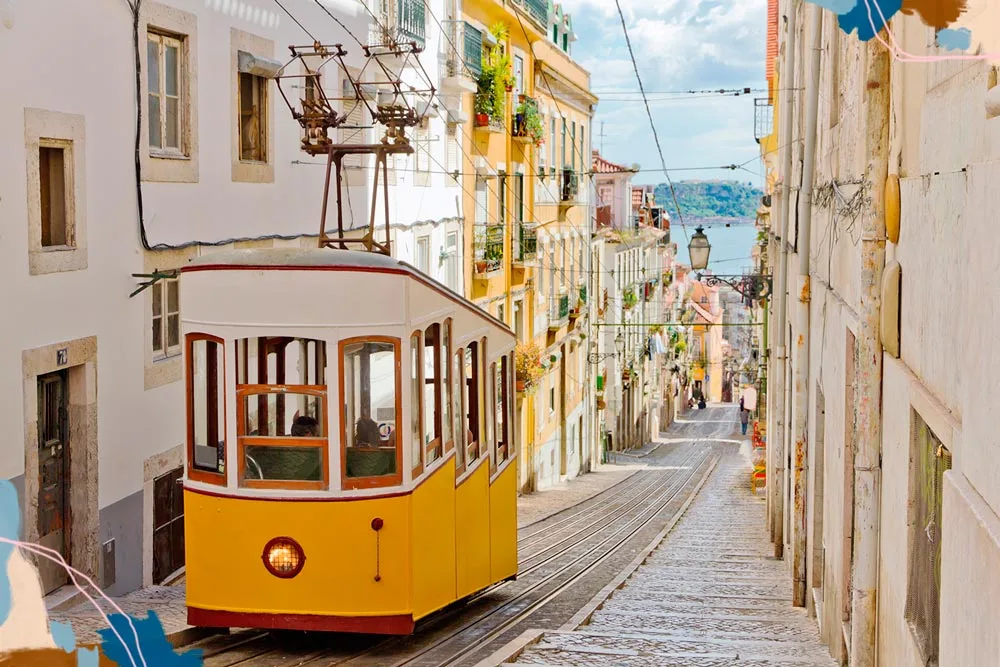
The Lisboa District has a Mediterranean climate with Atlantic influence, with hot, dry summers (highs of 28–35 °C) and mild, wet winters (lows of 7–12 °C). Spring and autumn are the ideal seasons to visit, with pleasant temperatures, fewer tourists and green landscapes. Atlantic breezes make even hot days more bearable, especially in coastal areas such as Cascais or Sintra.
[widget_weather]
Featured Cities, Towns and Places
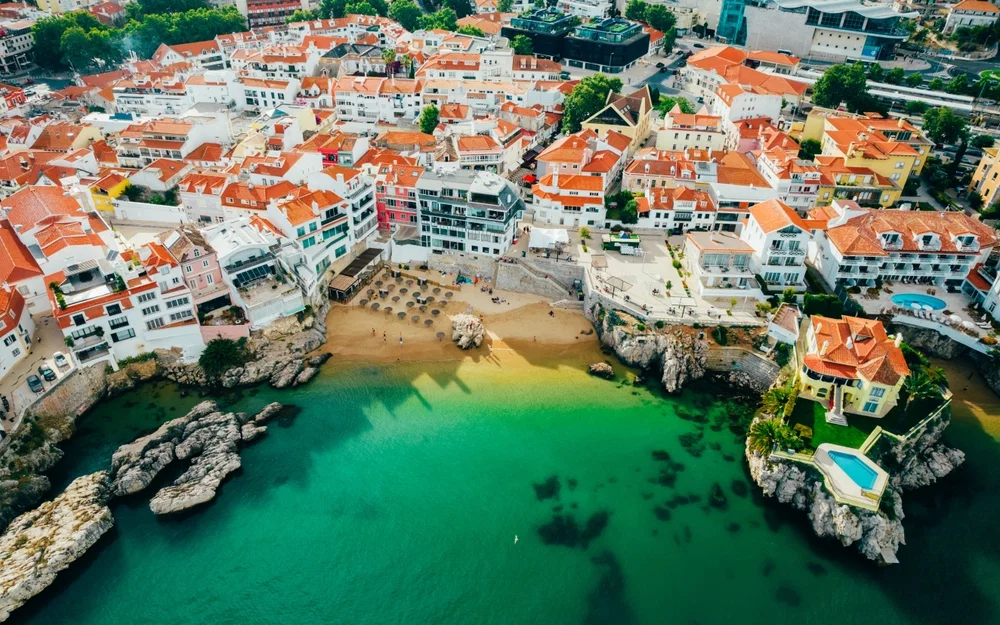
- Lisboa – The nation's capital, with iconic monuments, historic neighbourhoods, gastronomy, fado and cosmopolitan life.
- Sintra – Romantic village with palaces, gardens and a magical atmosphere, a UNESCO World Heritage Site.
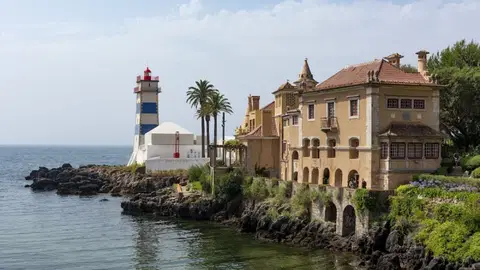
- Cascais – A great spot for the beach season, with beaches, a marina, museums and refined cuisine.
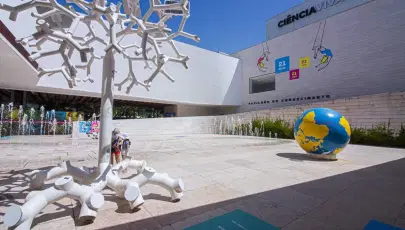
- Oeiras – Modern municipality with urban beaches, science centres and historic gardens.
- Mafra – Known for its Palácio-Convento (Palace-Convent) and farming tradition.
- Loures – Wine-growing area with traditional festivals and rural heritage.
- Amadora – Urban city with green spaces, museums and a young cultural scene.
- Almada – With views over Lisboa, the beaches of Costa da Caparica and the Cristo Rei.
- Vila Franca de Xira – Land of campinos (Ribatejo horsemen), bullfights, lezírias (riverside floodplains) and Ribatejo cuisine.
- Odivelas – Religious heritage, a tradition of sweet-making and balanced urban growth.
Unmissable Events in Lisboa
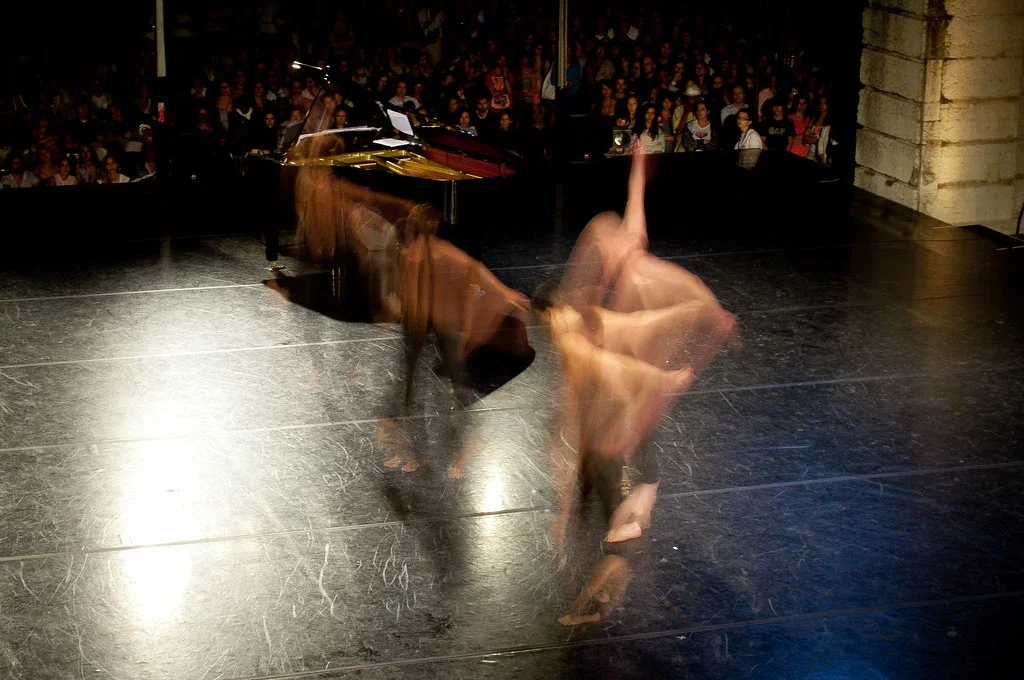
- Festas de Lisboa (June) – Popular celebrations with arraiais (street parties), marchas (neighbourhood parades), grilled sardines and fado in the historic quarters.
- Festival ao Largo (July, Lisboa) – Open-air classical music and dance beside the Teatro Nacional de São Carlos.
- Feira de Sintra (summer) – Traditional market with crafts, food and historical re-enactments.
- Festival Marés Vivas (Cascais, summer) – Open-air concerts, street theatre and cultural activities by the sea.
- Festival do Vinho de Bucelas (October) – Wine tastings, music, exhibitions and local food.
Local Tips and Fun Facts
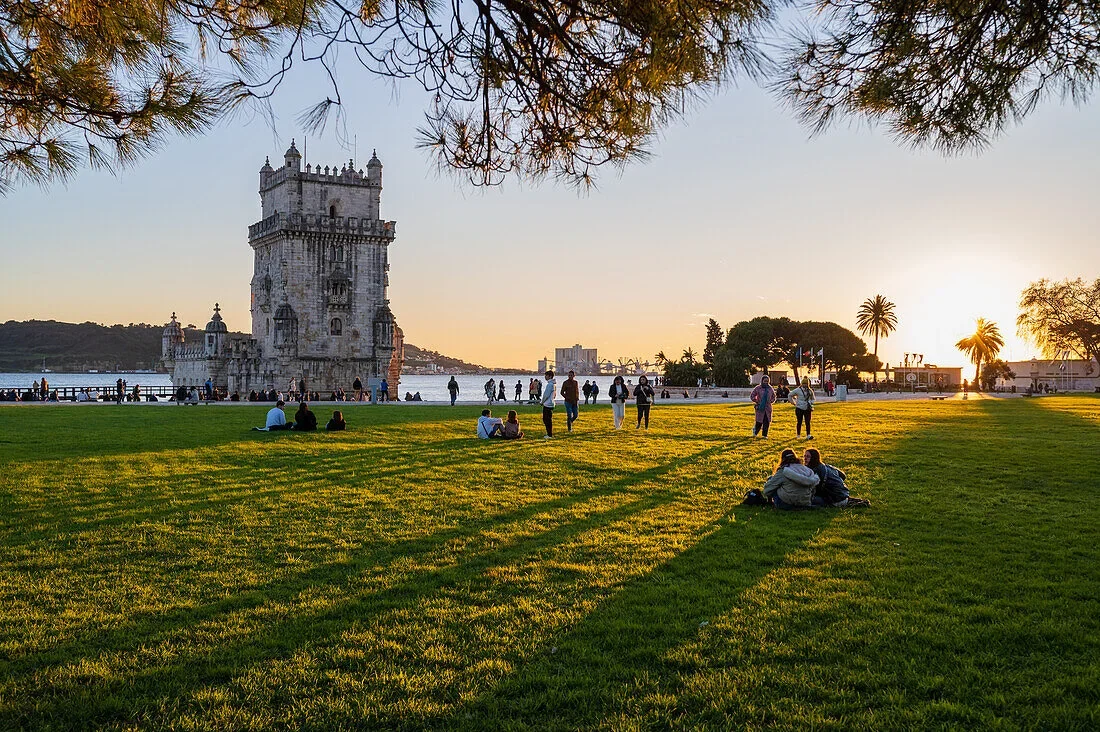
- The Torre de Belém was built in the 16th century to defend the Tejo estuary.
- Quinta da Regaleira, in Sintra, is full of esoteric symbols linked to Freemasonry and alchemy.
- Pão de Mafra is Intangible Cultural Heritage and follows traditional slow-fermentation methods.
- Bucelas has been producing white wines from the Arinto grape since Roman times.
- Costa da Caparica has more than 15 km of continuous sandy beaches, with areas for surfers and families.
Why Visit the Lisboa District?
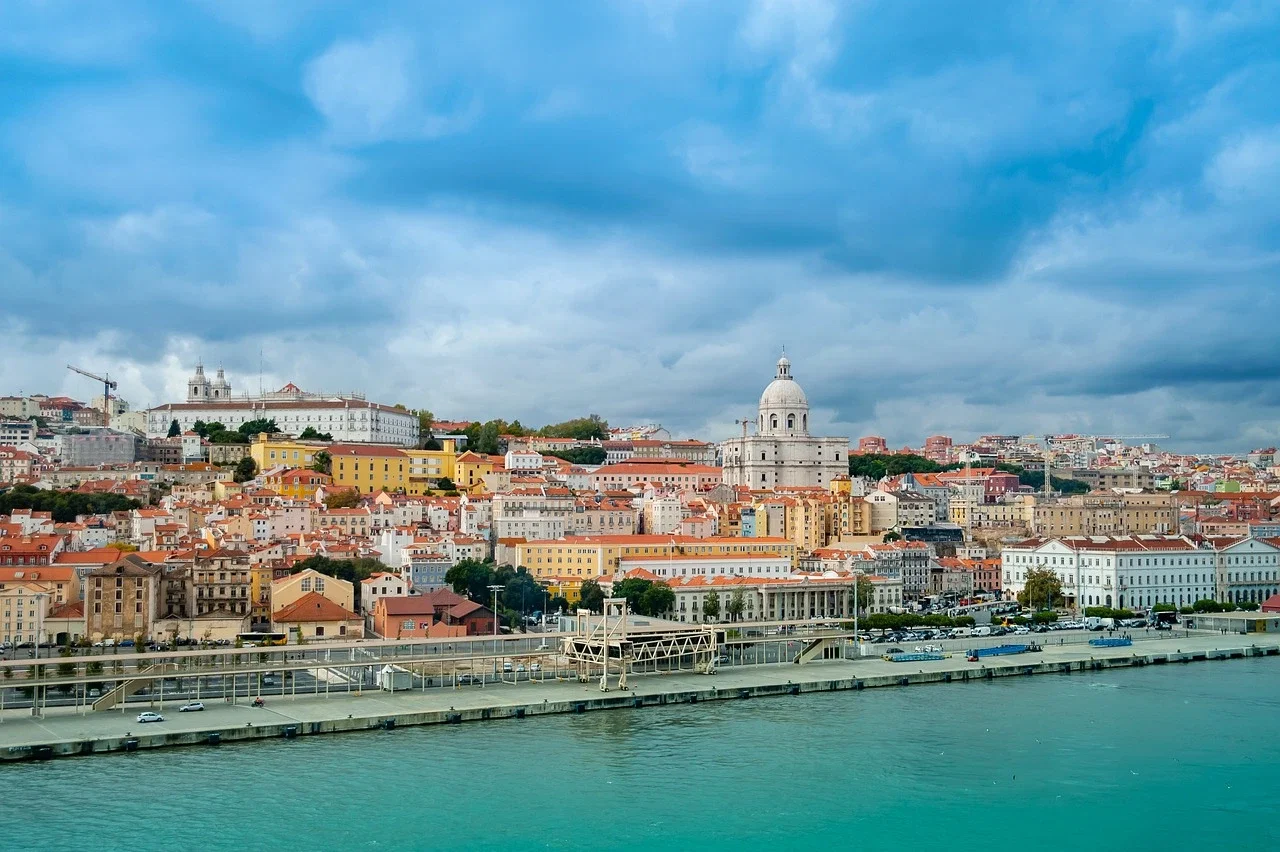
The Lisboa District is the only one where you can visit medieval castles, romantic palaces, Atlantic beaches, mystical hills, traditional markets, international events and hidden villages, all less than an hour away. Lisboa is the capital that never sleeps, but the district is home to a wealth of authentic experiences. Here the past lives alongside the future, and every street, flavour or landscape tells a story with a Portuguese soul.
Weather now in Distrito de Lisboa: 14°C
Distrito de Lisboa, Portugal
Saturday, 21 de November de 2026
14 °C
Partly Cloudy
Humidity
90%
Wind
21
km/h
Max Temperature
17
°C
Min Temperature
13
°C
FORECAST FOR THE NEXT HOURS
22:00
13 °C
23:00
13 °C
00:00
13 °C
Explore the District with our tours
Planeie itinerários autónomos pelo Distrito de Lisboa: descubra a pé os bairros históricos de Lisboa (Alfama, Bairro Alto e Belém), siga rotas de bicicleta ao longo da Margem do Tejo, explore as colinas de Sintra e Cascais em self-drive e encontre miradouros secretos para apreciar o pôr-do-sol sobre a cidade.
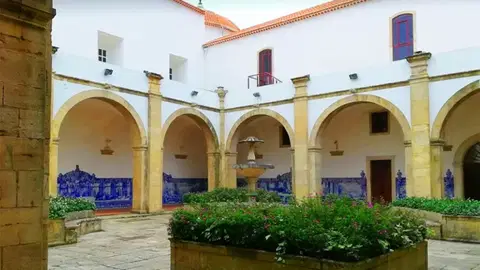
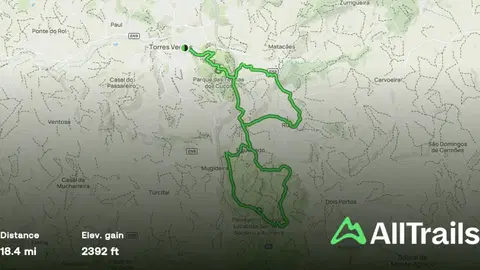

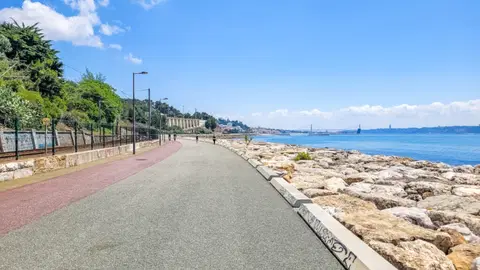
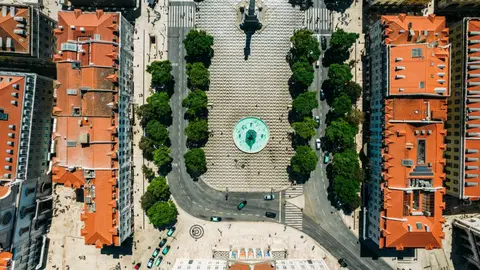
Planner with AI
Plan your visit to Distrito de Lisboa
Choose how many days you have and what you like, and we'll build an itinerary with real places in the area.
Ver roteiros prontos (17)Places to visit in Distrito de Lisboa
Descubra de forma independente os locais mais especiais do Distrito de Lisboa: a Torre de Belém e o Mosteiro dos Jerónimos, o castelo de São Jorge, o Palácio da Pena em Sintra, as praias da Costa da Caparica e os trilhos do Parque Natural da Arrábida.
-
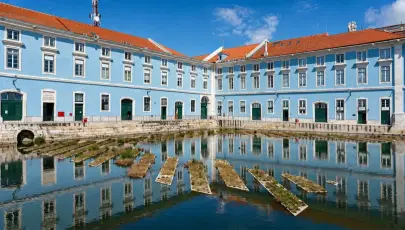
Doca da Caldeirinha
Lisboa
-
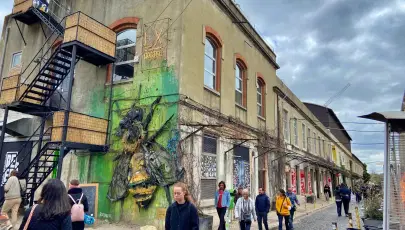
LX Factory
Lisboa
-
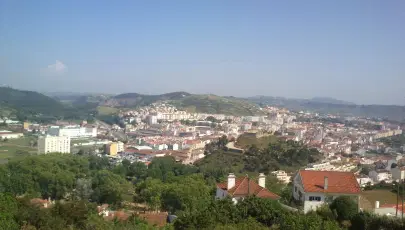
Forte da Forca
Torres Vedras, Lisboa
Where to eat in Distrito de Lisboa
-
Antù Alfama
Lisboa
-
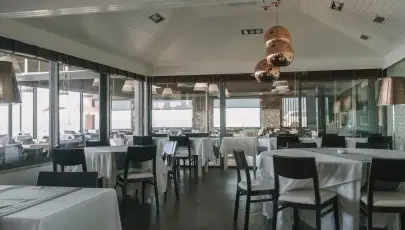
Bar do Guincho
Cascais, Lisboa
-
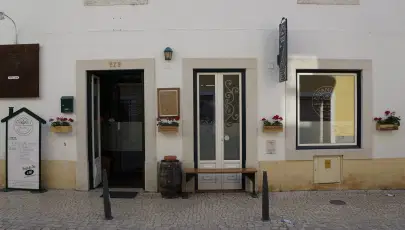
Restaurante Patanisca
Torres Vedras, Lisboa
Things to do in Distrito de Lisboa
-

Planetário
Lisboa
-
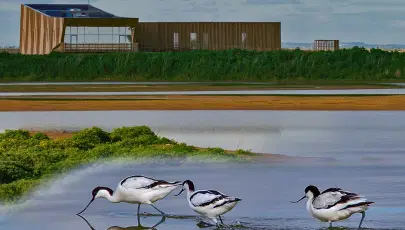
EVOA - Espaço de Visitação e Observação de Aves
Vila Franca de Xira, Lisboa
-
Eventos neste distrito

Explore the area
Municipalities and towns
District Map
Frequently asked questions
The best time to visit the Lisboa District is in spring (April to June) and autumn (September to October), when temperatures are mild, there are fewer tourists and the skies are clearer for panoramic views.
Be sure to try bacalhau à brás, pastéis de nata (custard tarts), sardinhas assadas (grilled sardines) in August, sopa de pedra and ginjinha served in a chocolate cup.
Visit the Arrábida Natural Park, explore the beaches of Costa da Caparica, go hiking in the mountains of Sintra and get to know the Tejo Estuary in the Castro Marim and Vila Real de Santo António Nature Reserve on self-guided boat tours.
Yes, in the Tejo Estuary and Arrábida you can watch migratory birds such as flamingos and herons, and in the forested areas of Sintra foxes, hedgehogs and squirrels roam free.
The climate is Mediterranean, with hot, dry summers (averaging 28–32 °C) and mild, damp winters (averaging 8–15 °C), with rainfall concentrated between November and March.
Leave your comment here
Review sent
Comments (0)
No comment yet. Be the first to share your experience.