 Alemanha
 Brasil
 English (UK)
 Espanha
 França
 Portugal
Beja District
Explore the
Beja District, Portugal
About the Beja District
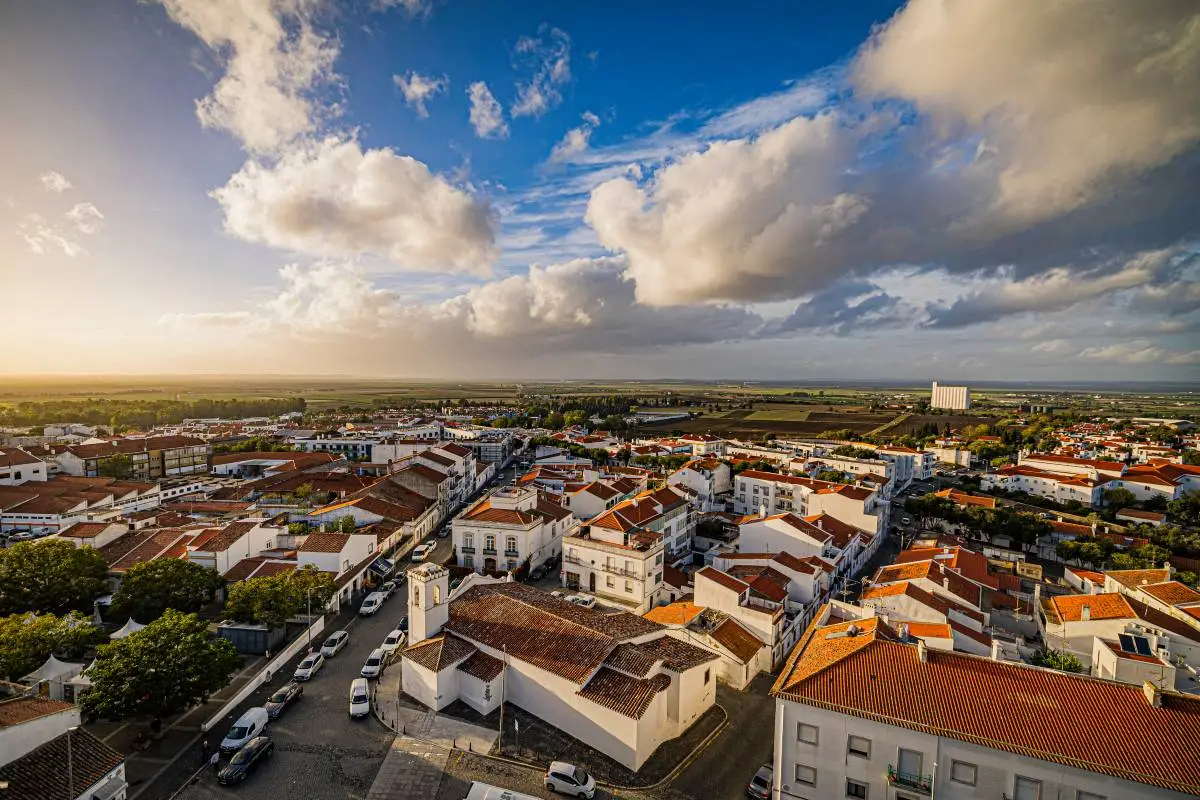
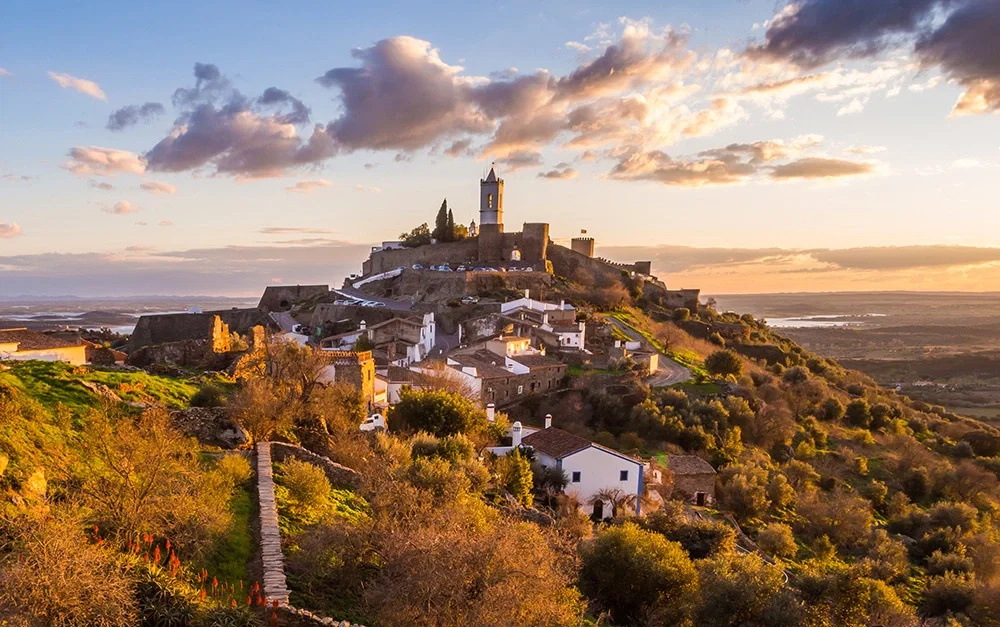
The Beja District, in the heart of the Baixo Alentejo, is one of the largest and most authentic regions in Portugal. With rolling landscapes of cork oaks, fields of golden wheat, sprawling vineyards and whitewashed villages, Beja invites you to slow down and savour the unhurried rhythm that defines the Alentejo. A land of medieval castles, endless plains and soulful cuisine, this district preserves the essence of rural Portugal, where tradition and modernity strike a subtle balance. Here, time slows down and beauty lies in the details.
Culture and Heritage
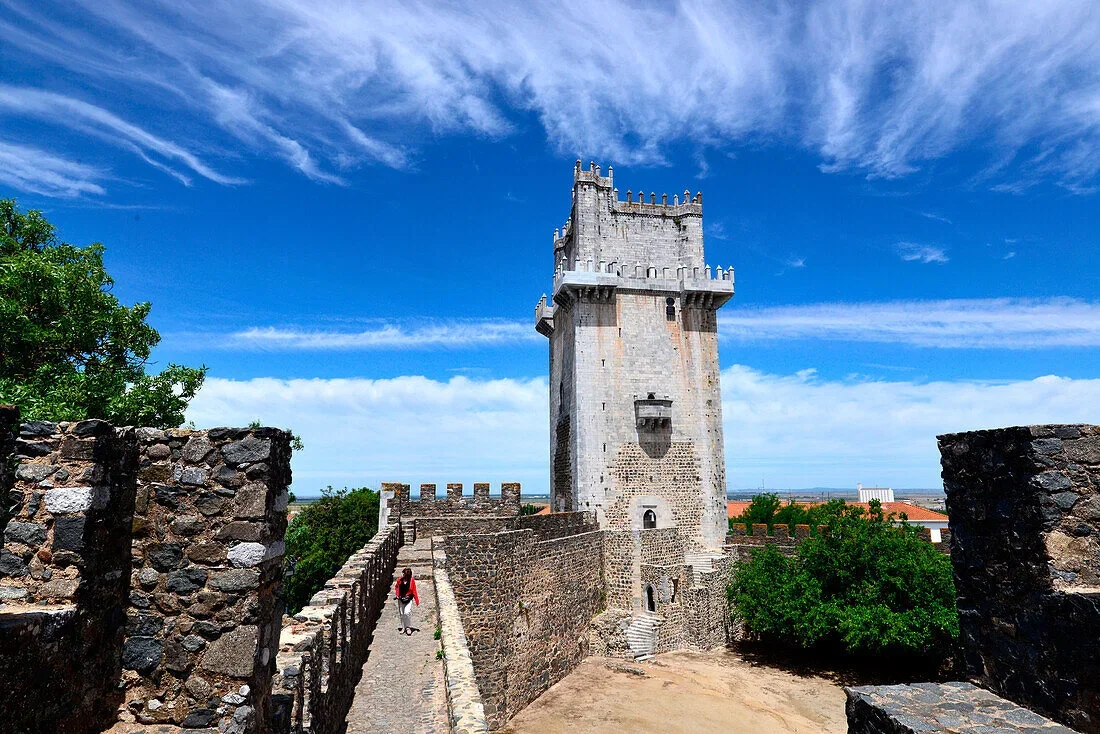
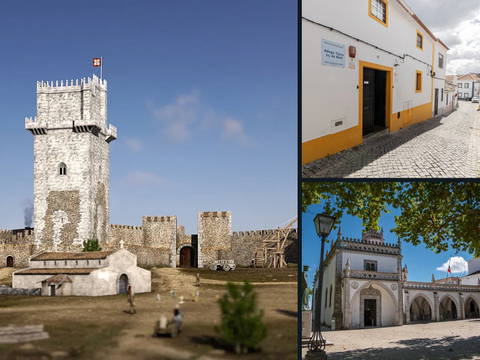
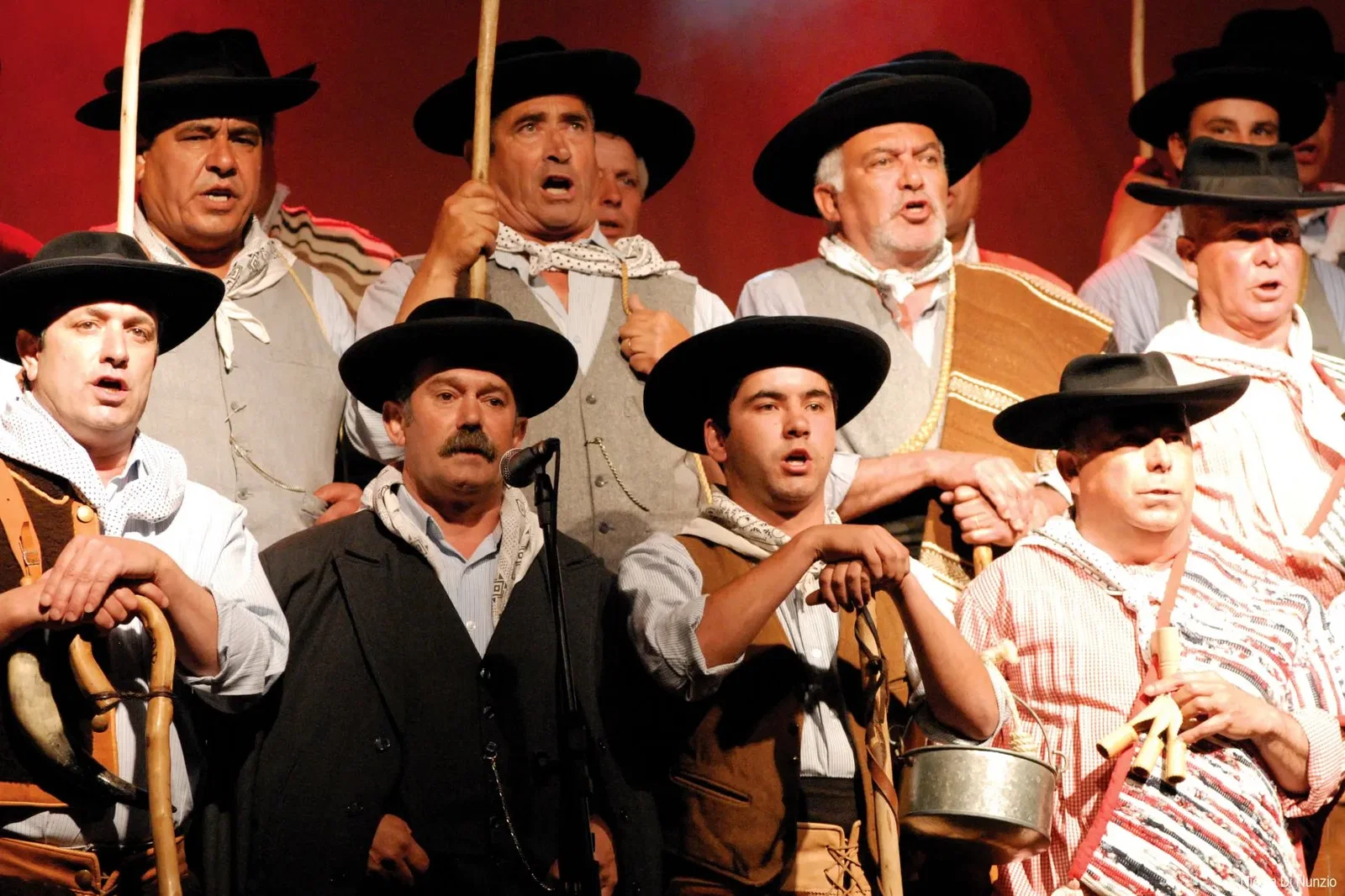
Beja is synonymous with a deep historical legacy. The city of the same name, once the Roman Pax Julia, holds traces of many eras: the Castelo de Beja with its imposing tower, the Igreja de Santo Amaro, which preserves Visigothic elements, and the Museu Regional Rainha D. Leonor, housed in a former convent. In Moura, the Islamic heritage is visible in the narrow streets and the old castle. Serpa, with its walls and aqueduct, breathes history in every corner. The deep Alentejo also lives on in its village festivals, in the voices of Cante Alentejano (listed by UNESCO), in traditional dances and in community-rooted crafts.
Gastronomy
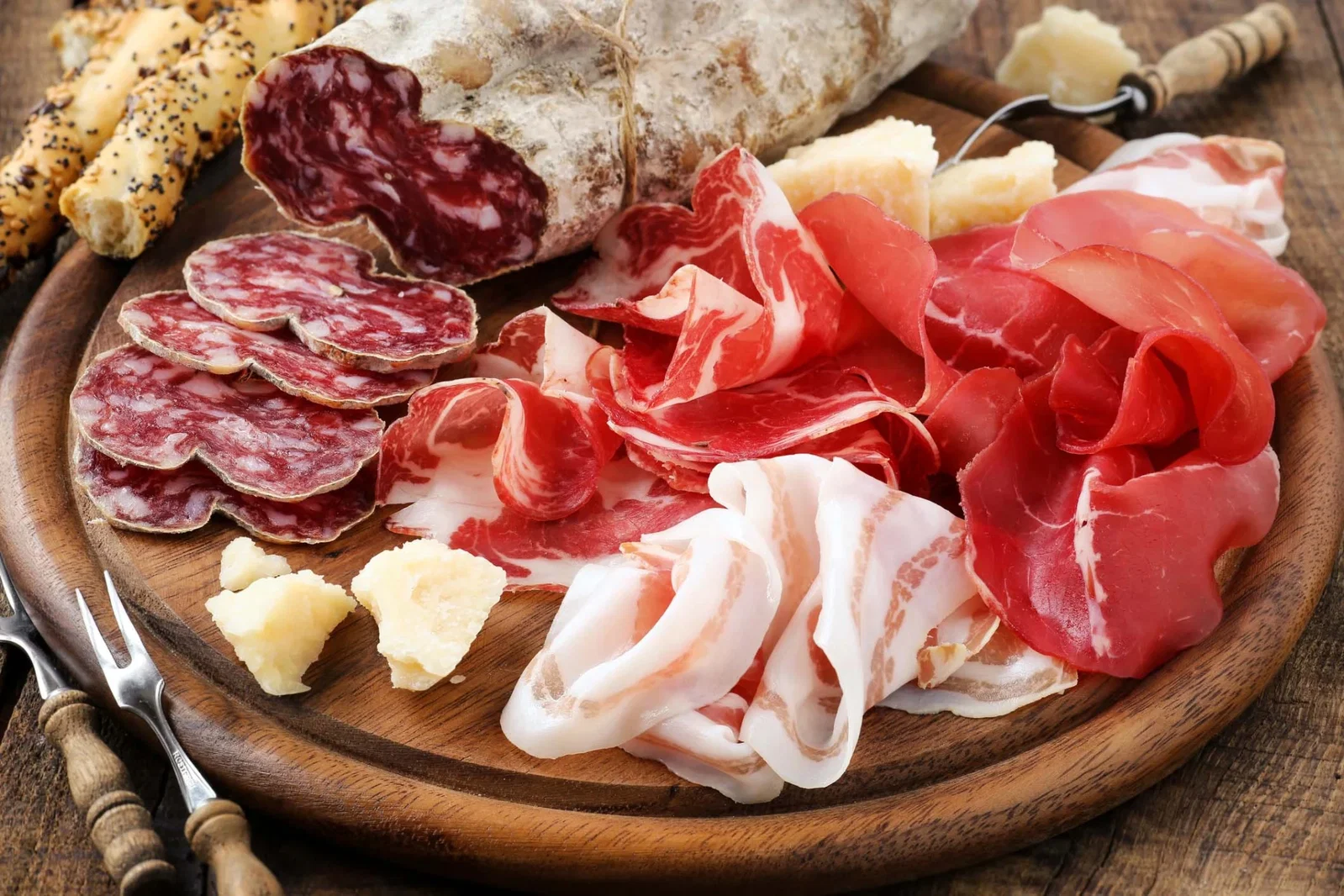
The district's cuisine is rustic, intense and full of country flavours. Alentejo bread, dense and aromatic, is the basis of many dishes, such as açorda de alho (garlic bread soup), migas com entrecosto, sopa de cação or ensopado de borrego. The cured, sharp Serpa cheeses are a delicacy with Protected Designation of Origin (PDO) status. Cured sausages such as farinheira, paio, morcela and linguiça are still made using age-old techniques. Desserts include pêras bêbedas, queijadas, filhós, encharcada and the traditional bolo podre. The wines of the Baixo Alentejo, made from native grape varieties and full-bodied in character, are the perfect match for every meal.
Crafts and Regional Products
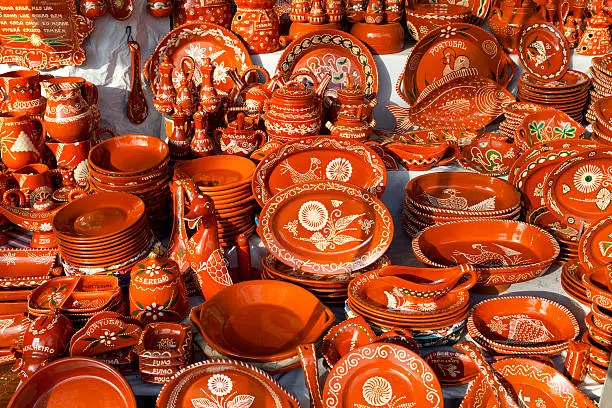
The crafts of the Beja district express the soul of the Alentejo: authentic, functional and tied to the land. The embroidery of Nisa and Serpa, cork and leather work, hand looms, red clay pottery, Alentejo blankets and miniatures in wood or iron reflect centuries-old techniques handed down through generations. At fairs, markets and local shops you can also find honey, extra virgin olive oil, artisanal wine, aromatic herbs, organic produce, flavoured salt and cosmetics made from native plants.
Nature and Outdoor Activities
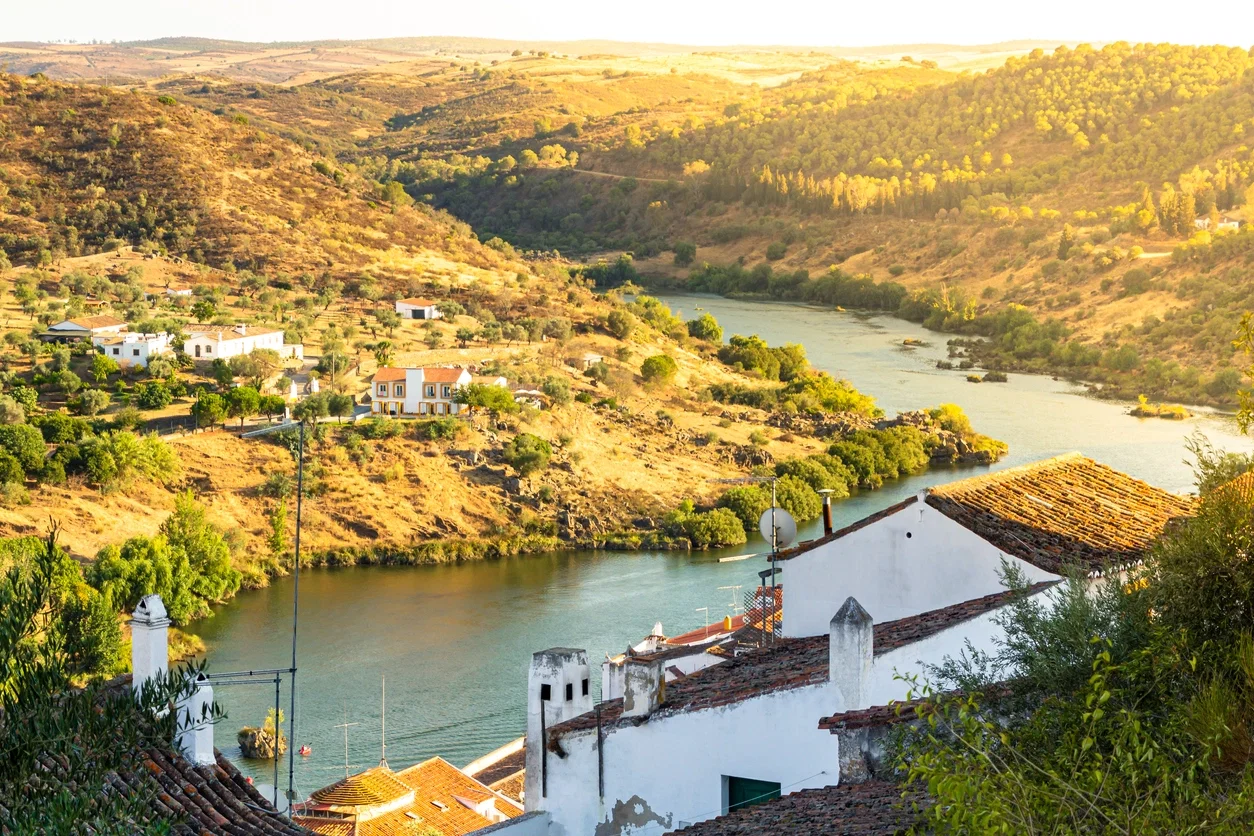
The vast, sparsely populated territory of the Beja district offers unique opportunities for ecotourism. The Parque Natural do Vale do Guadiana, between Mértola and Serpa, is a biodiversity sanctuary with rugged landscapes, rivers, waterfalls and protected wildlife such as the Spanish imperial eagle and the Iberian lynx. The Rio Guadiana invites kayaking trips and walks along its banks. Mountain-bike routes, pilgrimage paths, birdwatching circuits and trails through cork oak woodland (montado) and centuries-old olive groves make this region a haven for anyone seeking a connection with nature, tranquillity and authenticity.
Climate
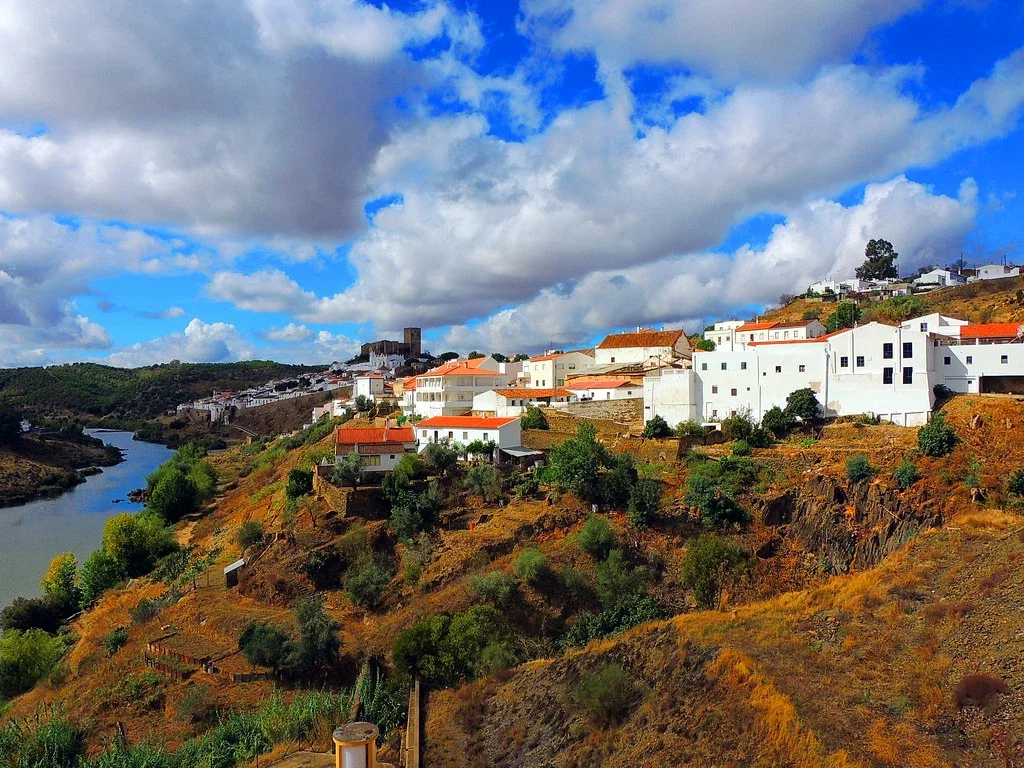
With a hot Mediterranean climate, the Beja district has dry, hot summers (often above 35 °C) and mild winters (10–15 °C). Spring brings landscapes in bloom and ideal temperatures for outdoor activities, while autumn is perfect for visiting vineyards and enjoying seasonal cuisine. Thanks to its low population density and clear skies, this is also one of the best regions in Portugal for stargazing and astrotourism.
[widget_weather]
Featured Cities, Towns and Places
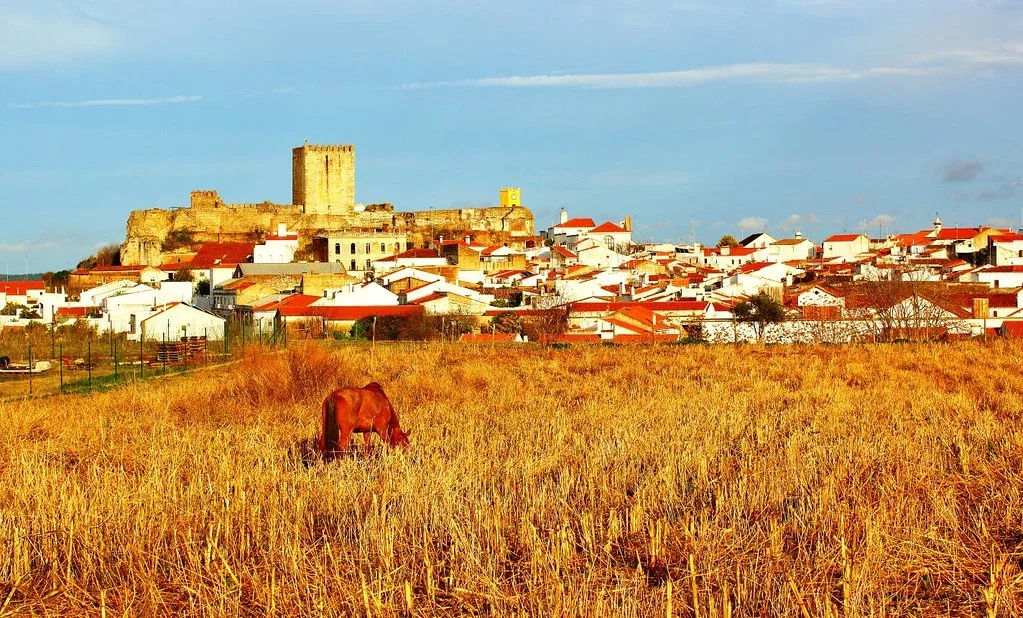
- Beja – District capital, with an imposing castle, museums and a peaceful historic centre.
- Serpa – Walls, an aqueduct and the living tradition of Cante Alentejano.
- Moura – Charming town with Arab heritage, gardens and olive groves.
- Mértola – Museum village on the banks of the Guadiana, with a strong Islamic legacy.
- Alvito – Village with a Manueline castle and a strong farming tradition.
- Barrancos – Unique border culture and one-of-a-kind village festivals.
- Vidigueira – Wine country with a history linked to the navigator Vasco da Gama.
- Ferreira do Alentejo – Ideal for a rural break and gastronomic discovery.
- Castro Verde – Capital of cante and of rolling plains.
Unmissable Events in Beja

- Ovibeja (April, Beja) – The largest agricultural and livestock fair in southern Portugal, with exhibitions, food, crafts and rural innovation.
- Festival Islâmico de Mértola (May, every two years) – A unique event that recreates the Muslim presence in Portugal with an Arab market, music, dance and exhibitions.
- Festas de Serpa (September) – Popular celebration with traditional music, rope bullfights (touradas à corda) and religious events.
- Noites na Nora (summer, Serpa) – Cultural festival with theatre, cinema, music and contemporary circus.
- Feira de Agosto (Moura) – Traditional festivity with cultural activities, local trade and concerts.
Local Tips and Fun Facts
- Mértola was the capital of an Islamic kingdom and is today a reference point for Arab archaeology in Portugal.
- Beja's Torre de Menagem (keep), at 40 metres, is one of the tallest in the country.
- Cante Alentejano, an Intangible Cultural Heritage of Humanity, was born in the taverns and farm fields of the region.
- The district has some of the clearest skies in Europe, ideal for astrotourism.
- Moura's thousand-year-old olive trees still produce excellent olive oil with Designation of Origin status.
Why Visit the Beja District?
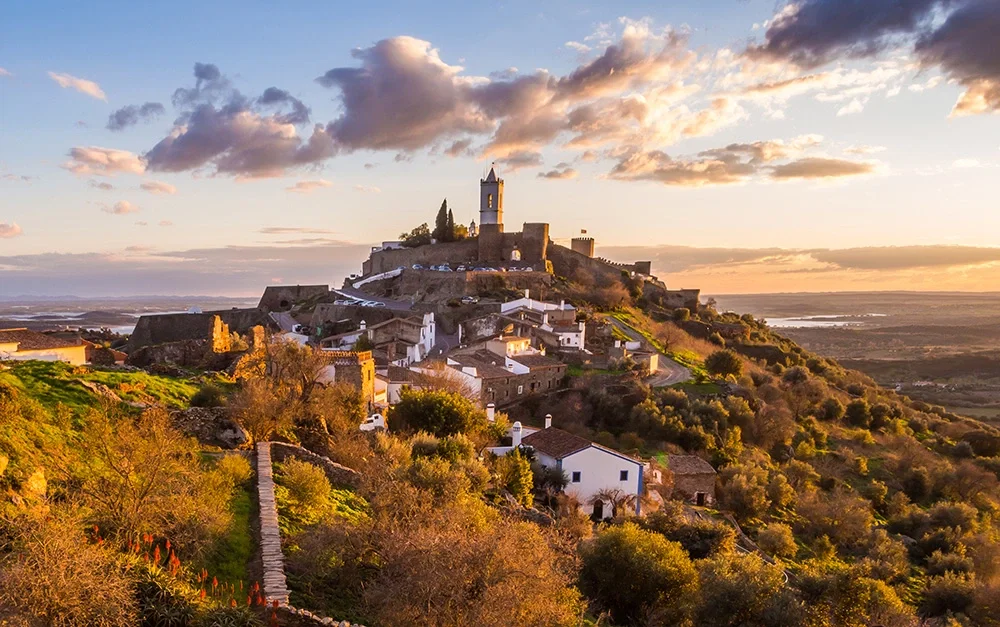
The Beja district is the Alentejo in its purest form: wide, silent and profound. It is a place where you taste the land, listen to the soul and live to the rhythm of the sun. Because here every village tells a different story, every dish reveals centuries of tradition and every landscape offers peace. And because, far from the bustle, the Alentejo reveals the best of Portugal to those who dare to stop and simply... feel.
Weather now in Distrito de Beja: 17°C
Distrito de Beja, Portugal
Saturday, 21 de November de 2026
17 °C
Overcast
Humidity
88%
Wind
16
km/h
Max Temperature
20
°C
Min Temperature
12
°C
FORECAST FOR THE NEXT HOURS
22:00
17 °C
23:00
16 °C
00:00
15 °C
Explore the District with our tours
Planeie itinerários autónomos pelo Distrito de Beja: explore as vastas planícies alentejanas de bicicleta, siga rotas a pé pelos montados de sobro, descubra aldeias históricas como Monsaraz e Mourão ao seu ritmo, navegue pelo lago do Alqueva em kayak self-drive e siga trilhos secretamente assinalados junto à Ribeira de Cobres.
Planner with AI
Plan your visit to Distrito de Beja
Choose how many days you have and what you like, and we'll build an itinerary with real places in the area.
Ver roteiros prontos (2)Places to visit in Distrito de Beja
Descubra de forma independente os locais mais especiais do Distrito de Beja: o imponente castelo de Beja, as ruas medievais de Évora-Monte, a barragem do Alqueva, as sendas do Parque Natural do Vale do Guadiana, as salinas de Castro Marim e os recantos do Pulo do Lobo.
-

Museu Jorge Vieira - Casa das Artes
Beja, Alentejo
-
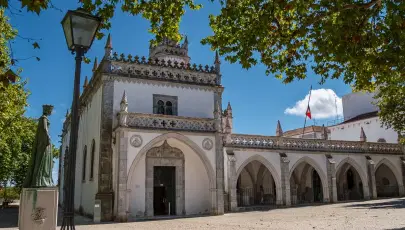
Museu Regional de Beja / Museu Rainha Leonor
Beja, Alentejo
-
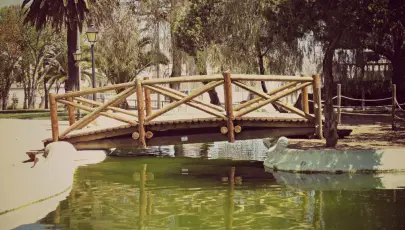
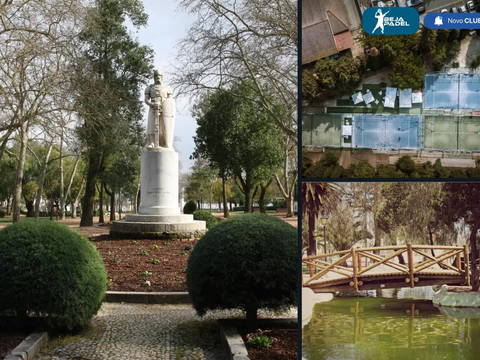
Jardim dos Namorados
Beja, Alentejo
Where to eat in Distrito de Beja
-
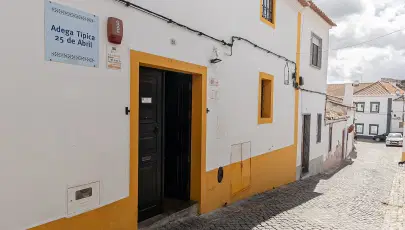
Adega Típica 25 de Abril
Beja, Alentejo
-
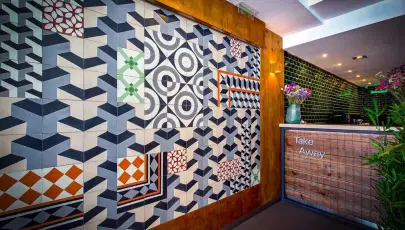
Restaurante Frango à Guia
Beja, Alentejo
Things to do in Distrito de Beja
-
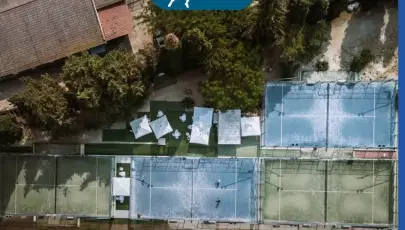
Beja Padel
Beja, Alentejo
Eventos neste distrito

Explore the area
Municipalities and towns
District Map
Frequently asked questions
The best time to visit the Beja District is between March and June or in September and October, when temperatures are mild and the Alentejo landscape is in bloom, avoiding the intense summer heat.
Be sure to try migas de pão com carne de porco (bread migas with pork), ensopado de borrego (lamb stew), queijo de Serpa, homemade pão alentejano and the fig and almond sweets typical of the region.
Visit the Vale do Guadiana Natural Park, admire the Alqueva and Roxo dams, discover the Pulo do Lobo waterfall and roam the plains of Castro Verde in search of centuries-old cork oaks.
Yes, the Vale do Guadiana and the plains of Castro Verde are great for spotting birds such as the great bustard, the little bustard and various birds of prey, as well as foxes and squirrels in the montado (cork and holm oak woodland).
The climate is semi-arid Mediterranean, with hot, dry summers (up to 35 °C) and mild, rainy winters (averaging 5–12 °C), with rainfall concentrated between November and March.
Leave your comment here
Review sent
Comments (0)
No comment yet. Be the first to share your experience.