 Alemanha
 Brasil
 English (UK)
 Espanha
 França
 Portugal
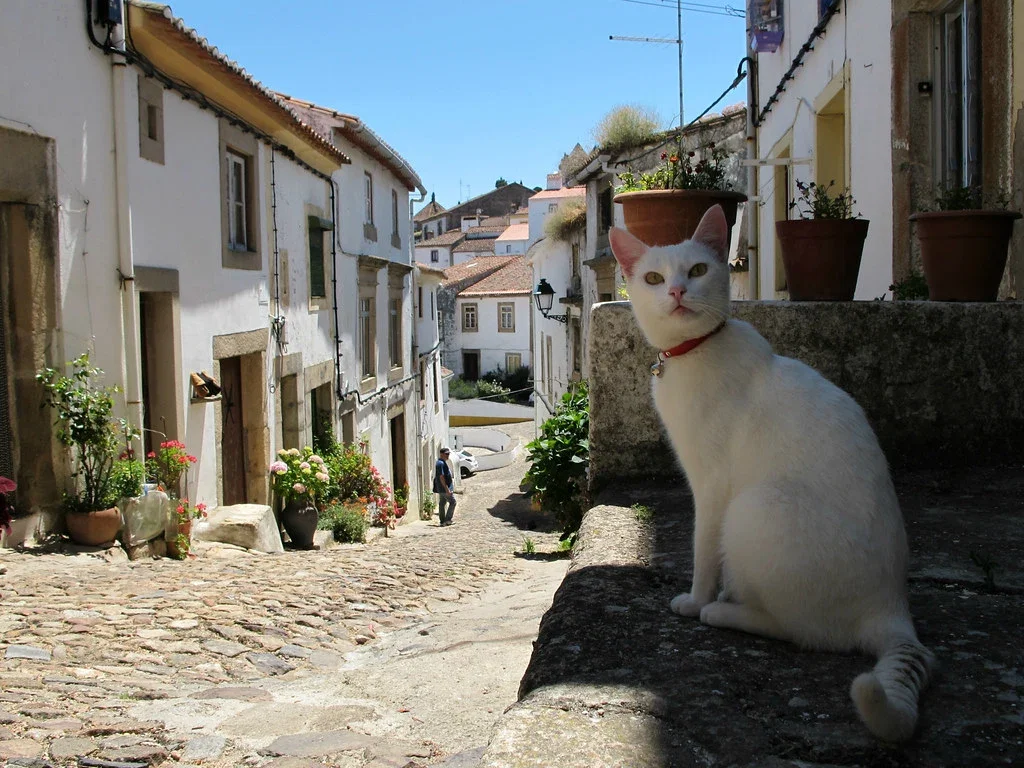
Portalegre District
Explore the
Portalegre District, Portugal
About the Portalegre District
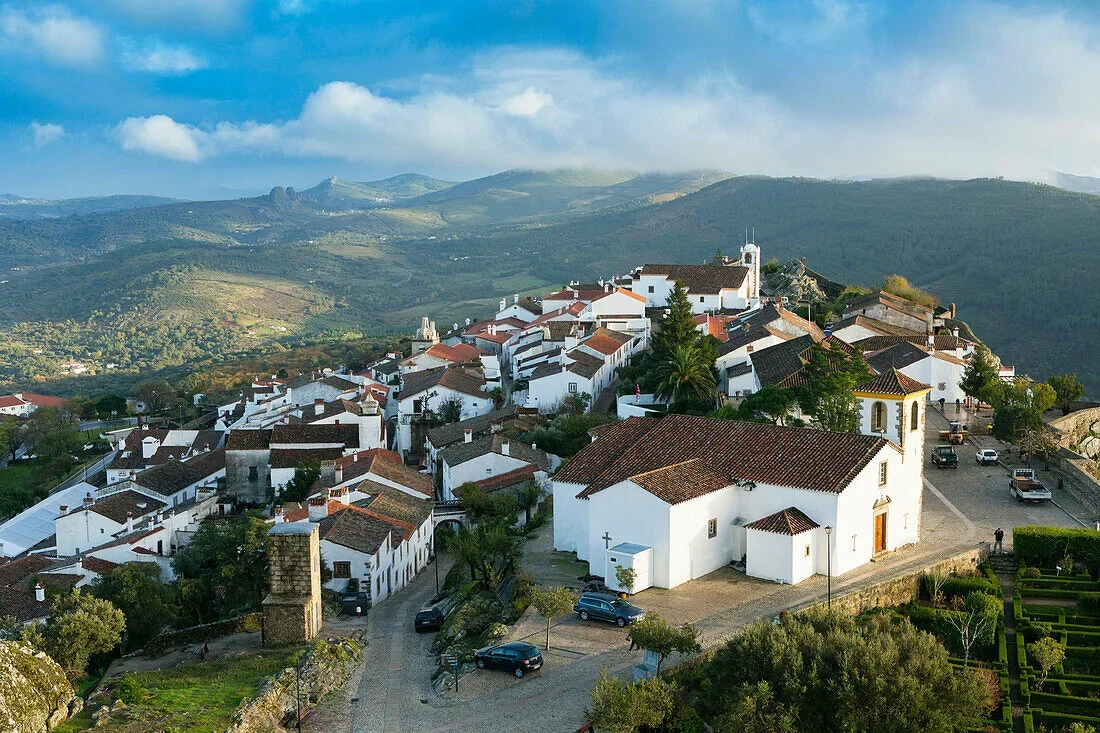
The Portalegre District, in the Alto Alentejo, is one of Portugal's best-kept secrets. Between mountains and plains, fortresses and monasteries, centuries-old olive trees and historic villages, this region offers an irresistible blend of tranquillity, authenticity and natural beauty. With the Serra de São Mamede cutting across the landscape in shades of green and granite peaks, Portalegre invites you on a journey to the roots of the deep Alentejo, where culture lives in the details and nature speaks loudest. Ideal for anyone seeking rest, history and a connection to the land, far from mass tourism.
Culture and Heritage
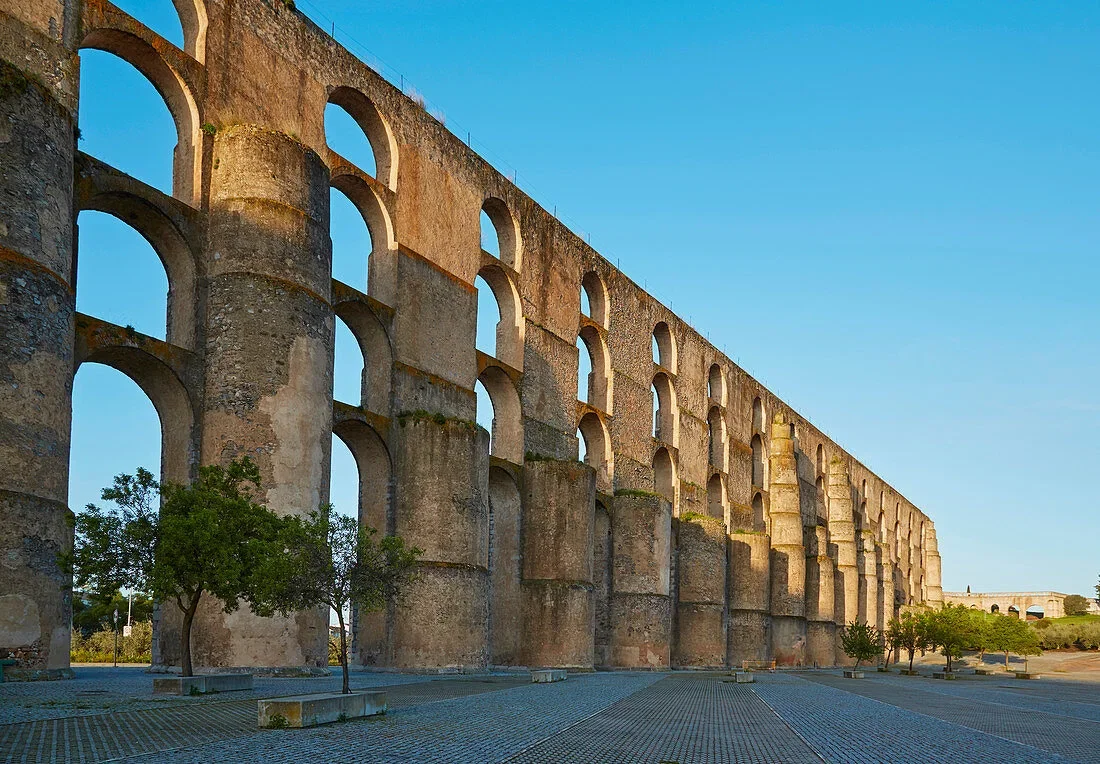
Portalegre is a land of strong memories and deep roots. The district capital, with its medieval walls, baroque palaces and the Museu José Régio, reflects centuries of history and artistic expression. In Marvão, a walled village perched on the mountain, you can breathe a unique medieval atmosphere. Castelo de Vide holds one of the best-preserved Jewish quarters in Portugal, complete with a synagogue and a ritual fountain. Elvas, a UNESCO World Heritage Site, is home to one of the largest bastioned defensive systems in Europe and the impressive Aqueduto da Amoreira. The churches, pillories, convents, manor houses and castles across the district recall the region's strategic and spiritual importance over the centuries.
Food and Drink
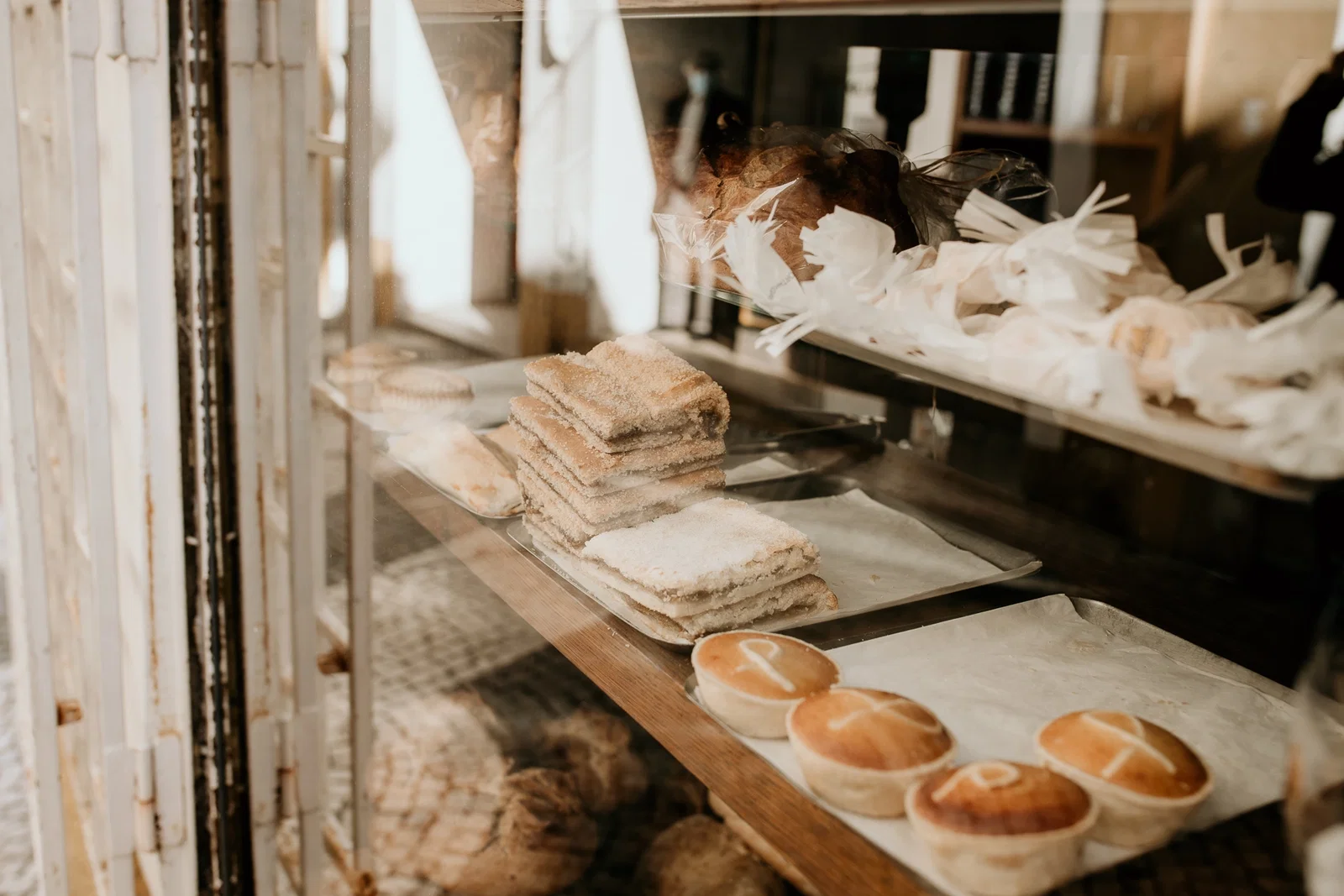
The cuisine of the Alto Alentejo is rich, aromatic and generous. Alentejo bread, baked in a wood-fired oven, accompanies dishes such as migas com entrecosto (bread migas with pork spare ribs), açorda alentejana (bread and garlic soup), tomato soup with poached eggs, ensopado de borrego (lamb stew) and wild boar braised with chestnuts. The cheeses of Nisa (PDO) and the enchidos (cured sausages) of Portalegre (PGI) are national benchmarks. Among the sweets are bolo finto, Portalegre's rebuçados de ovos (egg sweets), sericaia with ameixa d’Elvas (Elvas plums), sweet broas, the ferraduras of Alter do Chão and crispy filhós. To drink, the full-bodied, elegant wines of the Alto Alentejo stand out, along with licor de poejo, a pennyroyal liqueur typical of the mountains.
Crafts and Regional Products
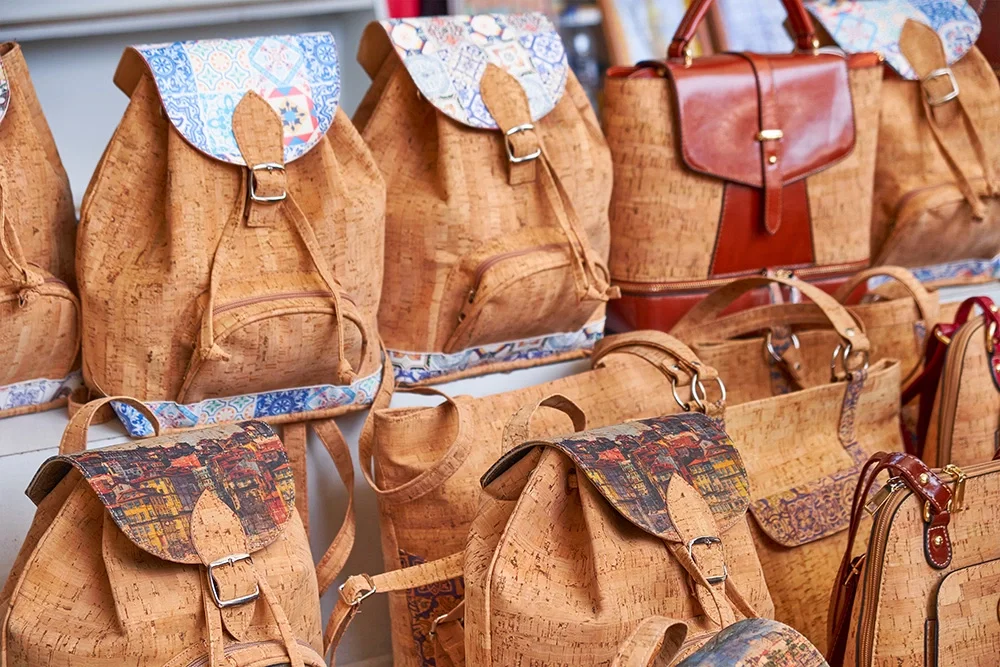
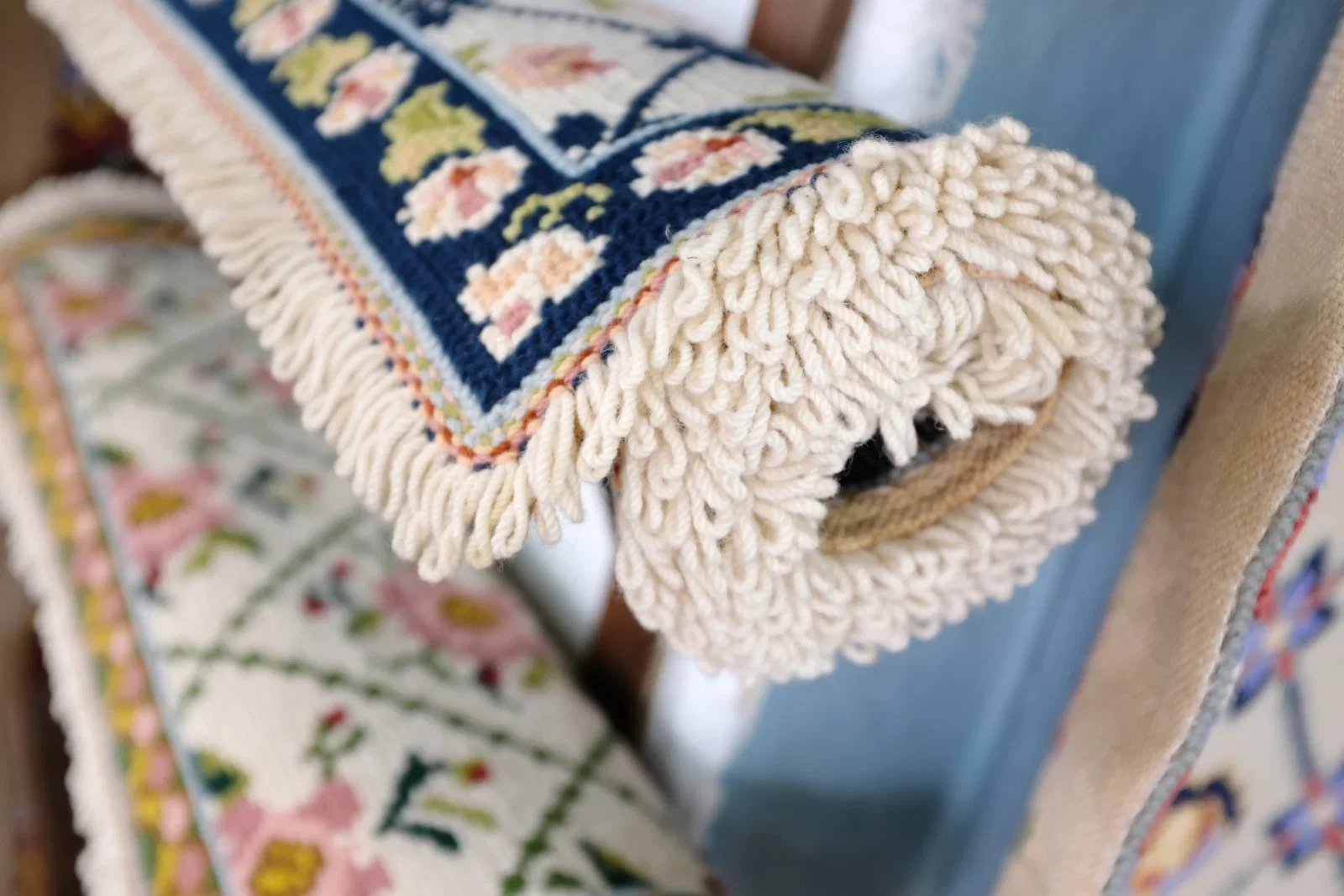
The district's craftsmanship is shaped by centuries of tradition: rugs and blankets from Reguengos and Nisa, wool weaving, hand embroidery, wood and cork work, wrought iron, traditional pottery and the renowned bobbin lace. At local markets and fairs you can find regional products such as rosemary honey, extra virgin olive oil, mountain chestnuts, sweet almonds, dried herbs, handmade soaps and local specialities such as vinho de talha (clay-pot wine), increasingly prized internationally.
Nature and Outdoor Activities
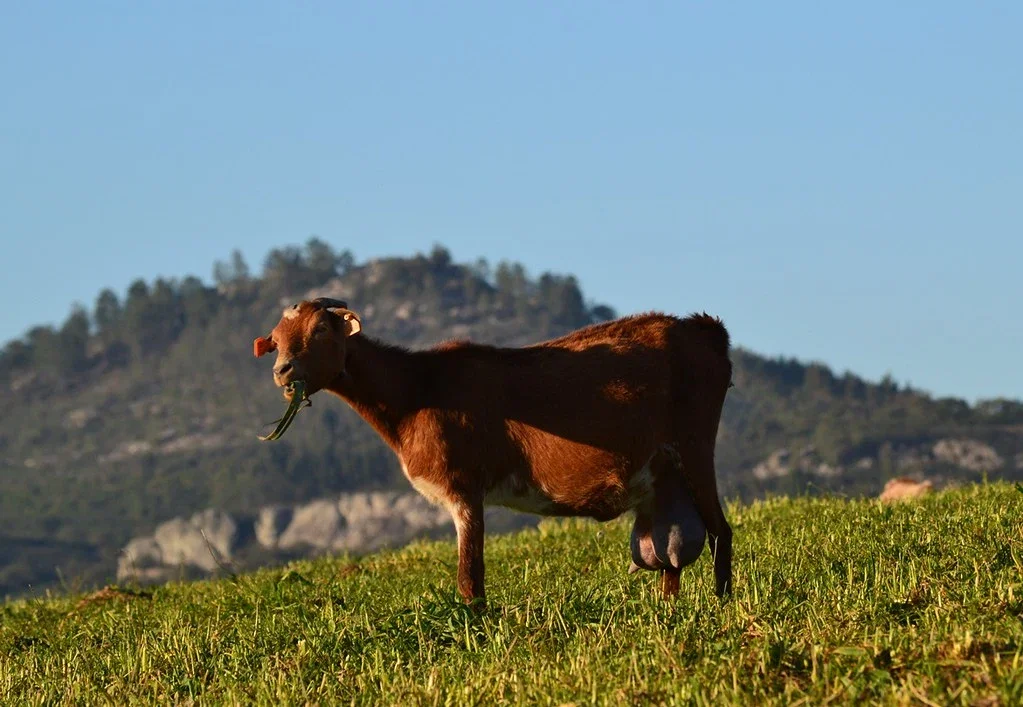
The district's natural highlight is the Parque Natural da Serra de São Mamede, with walking trails, forests of chestnut, cork oak and oak, waterfalls and panoramic viewpoints. Species such as the griffon vulture, the black vulture, the wild boar, the wildcat and the red deer live in these protected habitats. Mountain biking routes, horse-riding trails, birdwatching, paragliding in Marvão, hunting tourism and astrotourism in dark-sky areas such as Campo Maior are just some of the many activities on offer. Rivers such as the Sever and the Caia offer ideal spots for fishing, canoeing and picnics.
Climate
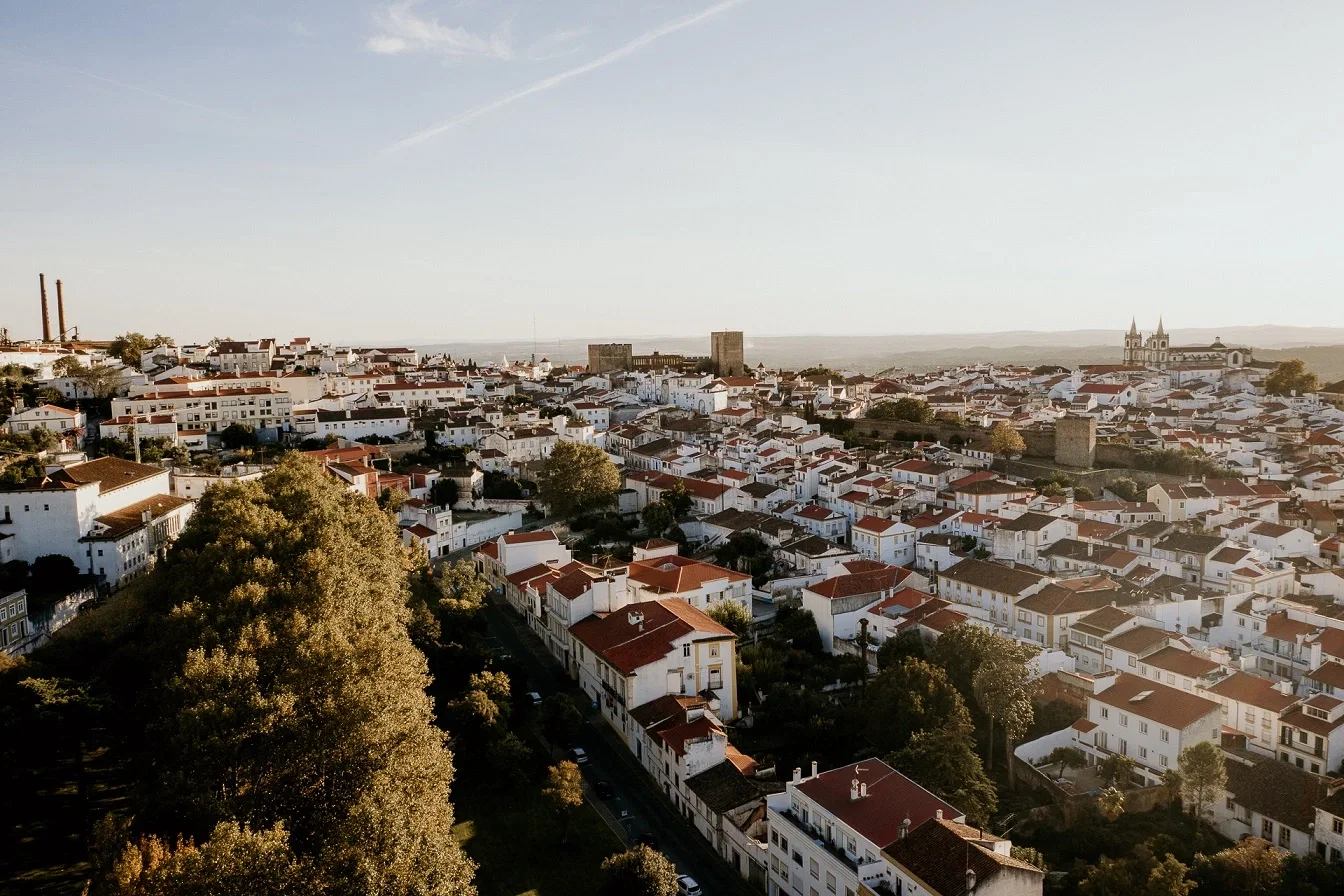
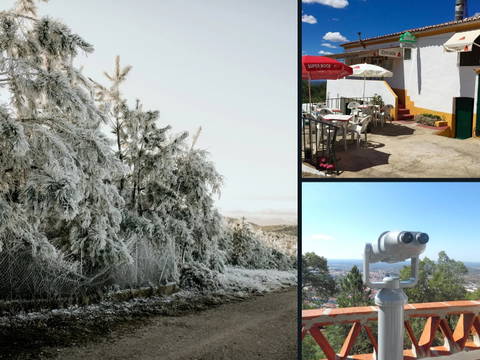
With a Mediterranean climate with continental influence, the district has hot, dry summers (often above 35 °C) and cold winters, especially in the mountain areas, where lows can drop to 0 °C. Spring and autumn are ideal for cultural visits and walks, with mild temperatures and landscapes in bloom or turning gold. The altitude of the Serra de São Mamede creates microclimates that allow for biodiversity unusual for the Alentejo.
[widget_weather]
Featured Cities, Towns and Places
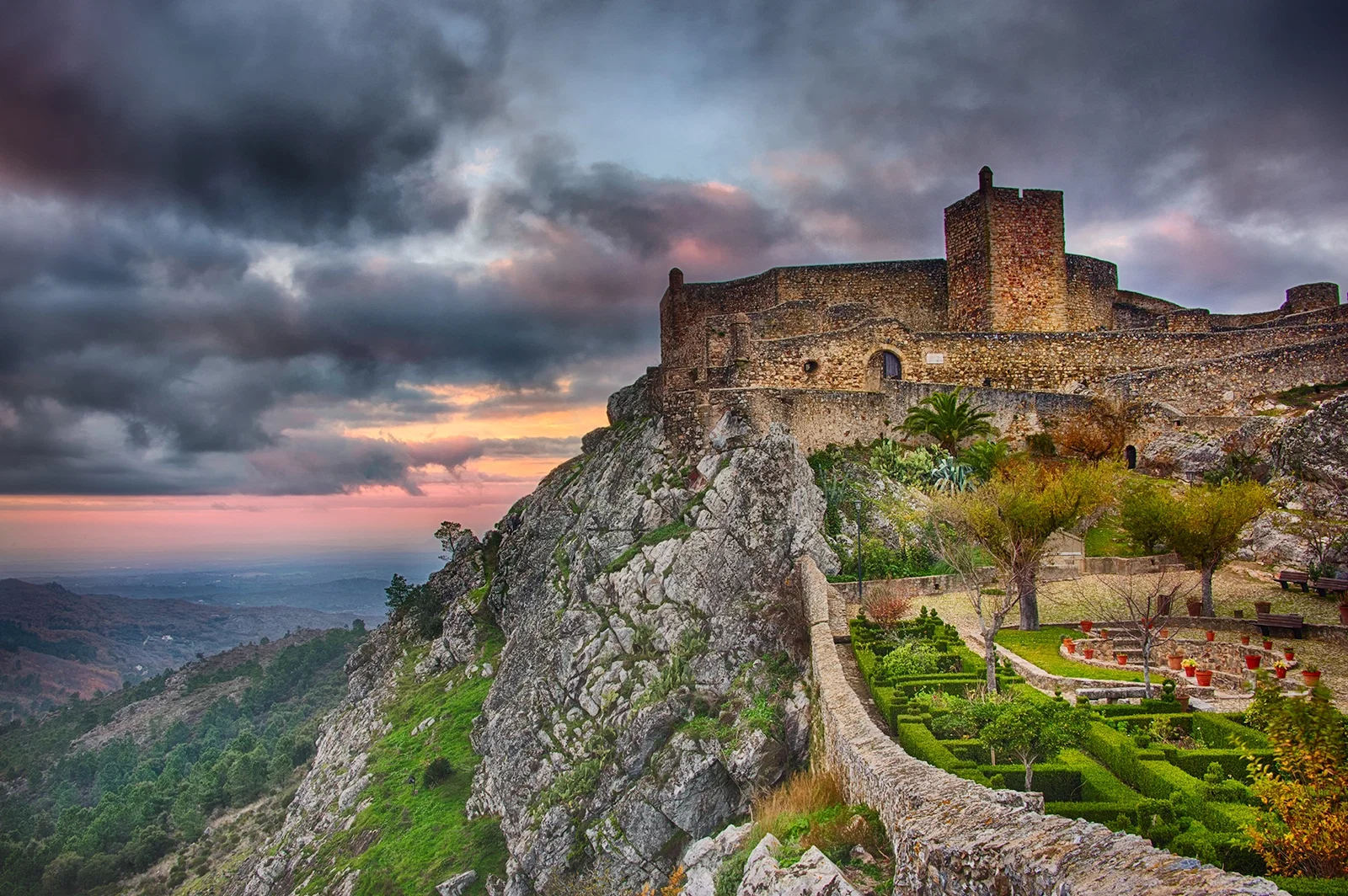
- Portalegre – District capital with a historic centre, museums, tapestries and views over the mountains.
- Marvão – Walled village with views over the Spanish border and intact medieval heritage.
- Castelo de Vide – Historic town with a preserved Jewish quarter and thermal waters.
- Elvas – World Heritage city with walls, an aqueduct and rich cuisine.
- Nisa – Known for its cheeses, lace and riverside landscapes.
- Alter do Chão – Horse country, with a royal stud farm and equestrian heritage.
- Crato – Former seat of the Order of Malta, with a monastery and religious traditions.
- Campo Maior – Known for the Festas do Povo and coffee production.
- Monforte – Quiet town with Roman ruins and an agricultural heritage.
- Fronteira – Military history, thermal spas and good food.
Unmissable Events in Portalegre
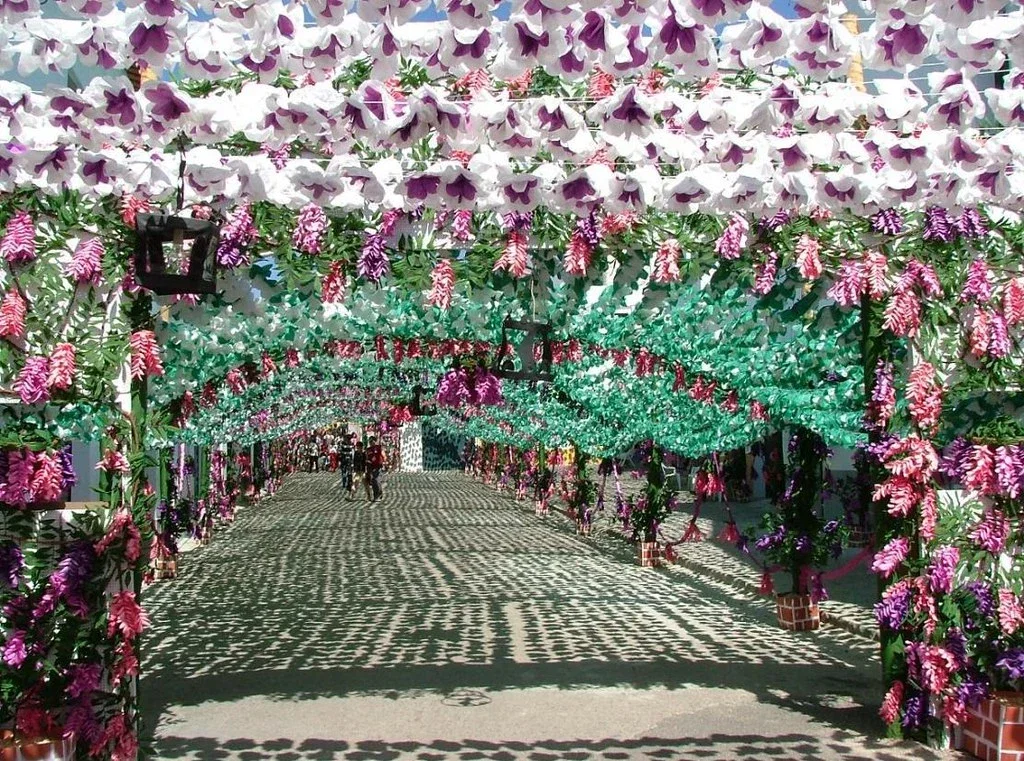
- Festas do Povo de Campo Maior (dates vary) – Entire streets decorated with paper flowers made by the community, Intangible Cultural Heritage of Humanity.
- International Hot Air Balloon Festival (November, Alter and Fronteira) – One of the largest in Europe, with flights, workshops and night-time shows.
- Festa das Flores de Campo Maior (when held) – A unique celebration with handmade decorations and community spirit.
- Feira Medieval de Marvão (October) – Historical re-enactment with a market, shows and street entertainment.
- Festival Sete Sóis Sete Luas (summer) – International network of Mediterranean music and culture with events in Castelo de Vide.
- Festas de São Mateus (September, Elvas) – Pilgrimage, bullfights, fairs and religious events.
Local Tips and Curiosities
- The Parque Natural da Serra de São Mamede is the only mountainous protected area in the Alentejo.
- The Coudelaria de Alter do Chão, founded in 1748, is the oldest stud farm in the world in continuous operation.
- Arraiolos rugs have their origins in Arab tradition and are made by hand.
- Nisa PDO cheese is curdled with thistle and has an intense flavour and a buttery texture.
- The city of Elvas has the largest aqueduct in the country, stretching more than 7 km.
Why Visit the Portalegre District?
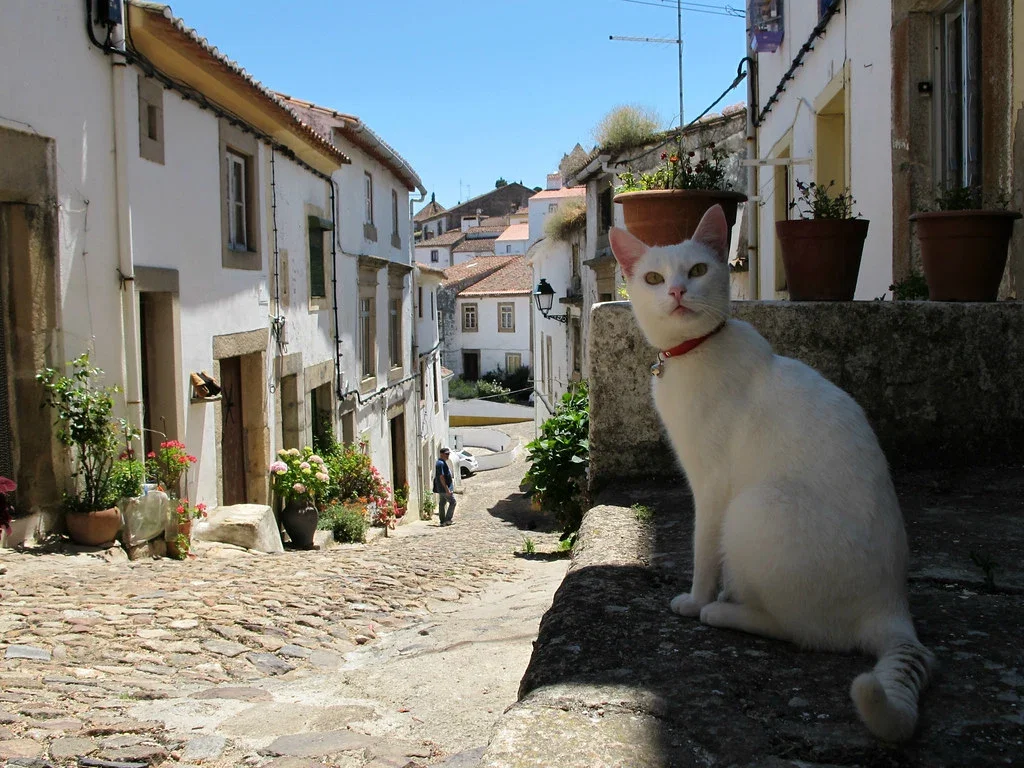
The most authentic, unspoilt Alentejo, where you can hear the silence, breathe pure air and live tradition. With castles atop the mountains, solitary trails among oak trees, intense wines and unique festivals. Here time passes slowly, and every village, dish or landscape leaves a deep mark. Portalegre is for those who want more than to see – it is for those who want to feel.
Explore the District with our tours
Planeie itinerários autónomos pelo Distrito de Portalegre: percorra de bicicleta os caminhos da Serra de São Mamede, faça caminhadas pelas veredas de Marvão e Castelo de Vide, descubra a Reserva Natural do Malcata em self-drive, navegue de caiaque na Barragem de Caia e explore as adegas locais de Portalegre ao seu ritmo.
Planner with AI
Plan your visit to Distrito de Portalegre
Choose how many days you have and what you like, and we'll build an itinerary with real places in the area.
Ver roteiros prontos (2)Places to visit in Distrito de Portalegre
Descubra de forma independente os locais mais especiais do Distrito de Portalegre: as muralhas de Marvão, o castelo e as termas de Castelo de Vide, o parque de merendas da Serra de São Mamede, a Barragem de Caia e a diversidade da Reserva Natural do Malcata.
-
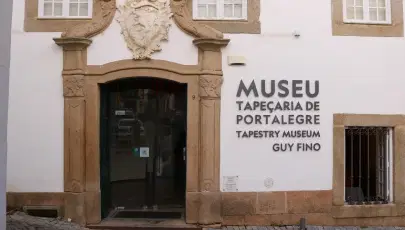
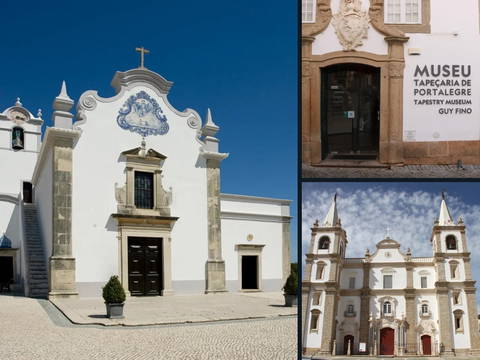
Museu da Tapeçaria de Portalegre - Guy Fino
Portalegre, Alentejo
-
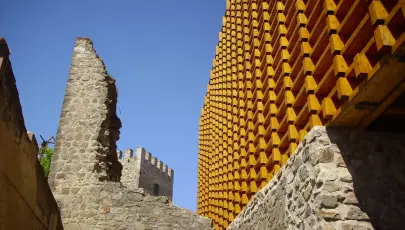
Castelo de Portalegre
Portalegre, Alentejo
-
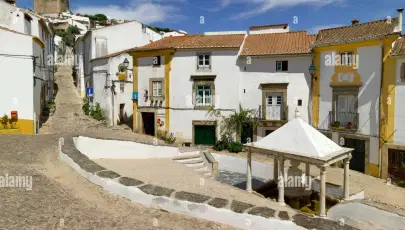
Fonte dos Amores
Portalegre, Alentejo
Where to eat in Distrito de Portalegre
-
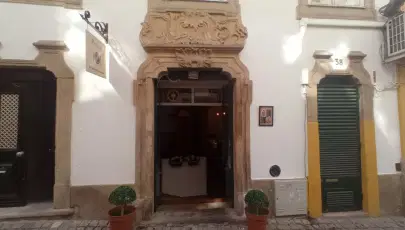
Restaurante Palatus
Portalegre, Alentejo
-
Casa das Francesinhas | Espaço Santa Clara
Portalegre, Alentejo
-
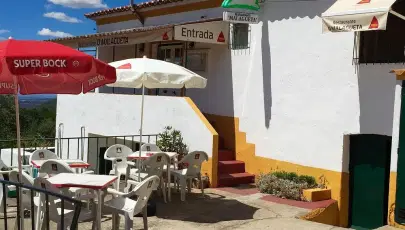
Restaurante O Malagueta
Portalegre, Alentejo
Eventos neste distrito
Explore the area
Municipalities and towns
District Map
Frequently asked questions
The best time to visit the Portalegre District is in spring (April to June) and autumn (September to October), when temperatures are mild, nature is in bloom and there are fewer tourists in the historic villages.
Be sure to try migas alentejanas, ensopado de borrego (lamb stew), queijo de Nisa, regional enchidos (cured sausages) and the typical dessert sericaia with plums from Elvas.
Visit the Serra de São Mamede Natural Park, explore the Malcata Nature Reserve, have a picnic at the Caia Dam and discover viewpoints in Marvão and Castelo de Vide.
Yes, the Malcata Reserve is ideal for spotting the Iberian wolf, deer and birds of prey such as vultures, and in the Serra de São Mamede you can see foxes, badgers and several species of owl.
The climate is continental Mediterranean, with hot, dry summers (averaging 30–35 °C) and cold winters (it can drop to 0 °C), with rainfall concentrated in autumn and winter.
Leave your comment here
Review sent
Comments (0)
No comment yet. Be the first to share your experience.