 Alemanha
 Brasil
 English (UK)
 Espanha
 França
 Portugal
Braga District
Explore the
Braga District, Portugal
About the District of Braga
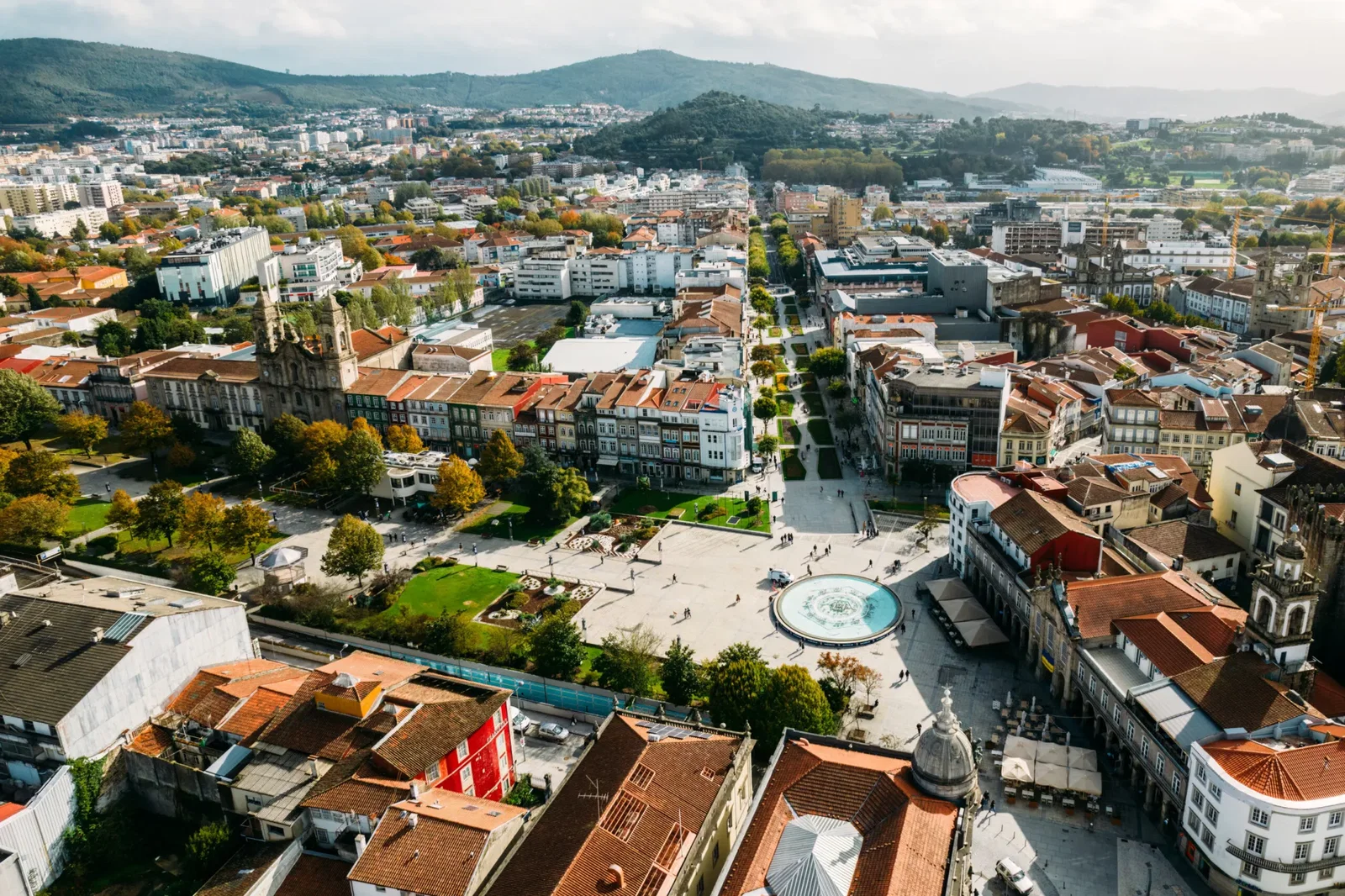
The District of Braga, in north-western Portugal, is a vibrant blend of tradition, spirituality, innovation and nature. With roots stretching back to Roman times, Braga is today one of the most dynamic regions in the country, where Baroque churches sit alongside technology hubs and the green of the mountains contrasts with the bustle of its towns. A land of romarias (religious pilgrimages and festivals), historic monuments and mountain scenery, the district offers a wide range of experiences, from faith to adventure, from sacred art to vinho verde. Visiting Braga means immersing yourself in the very essence of the Minho, where authenticity is ever-present.
Culture and Heritage
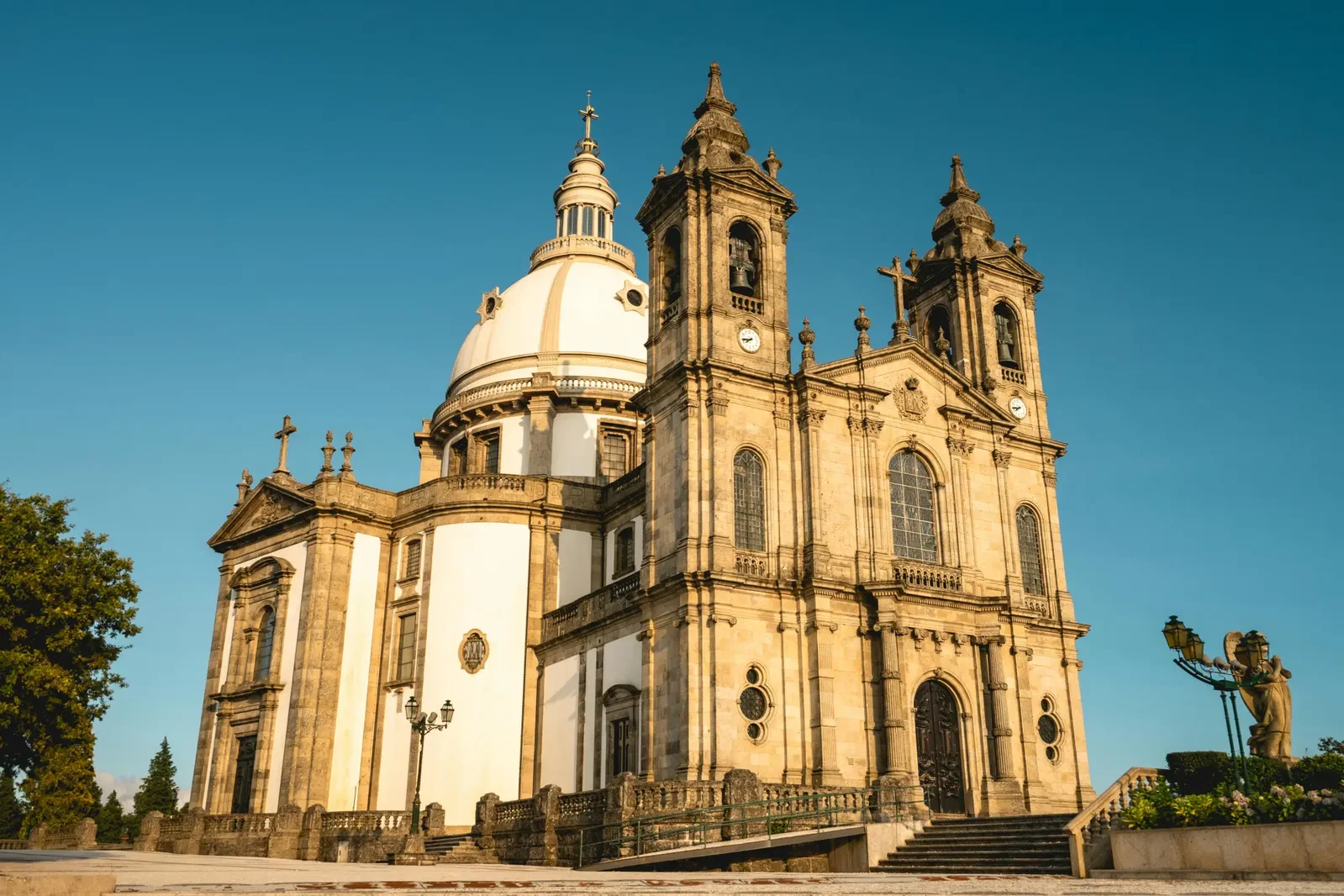
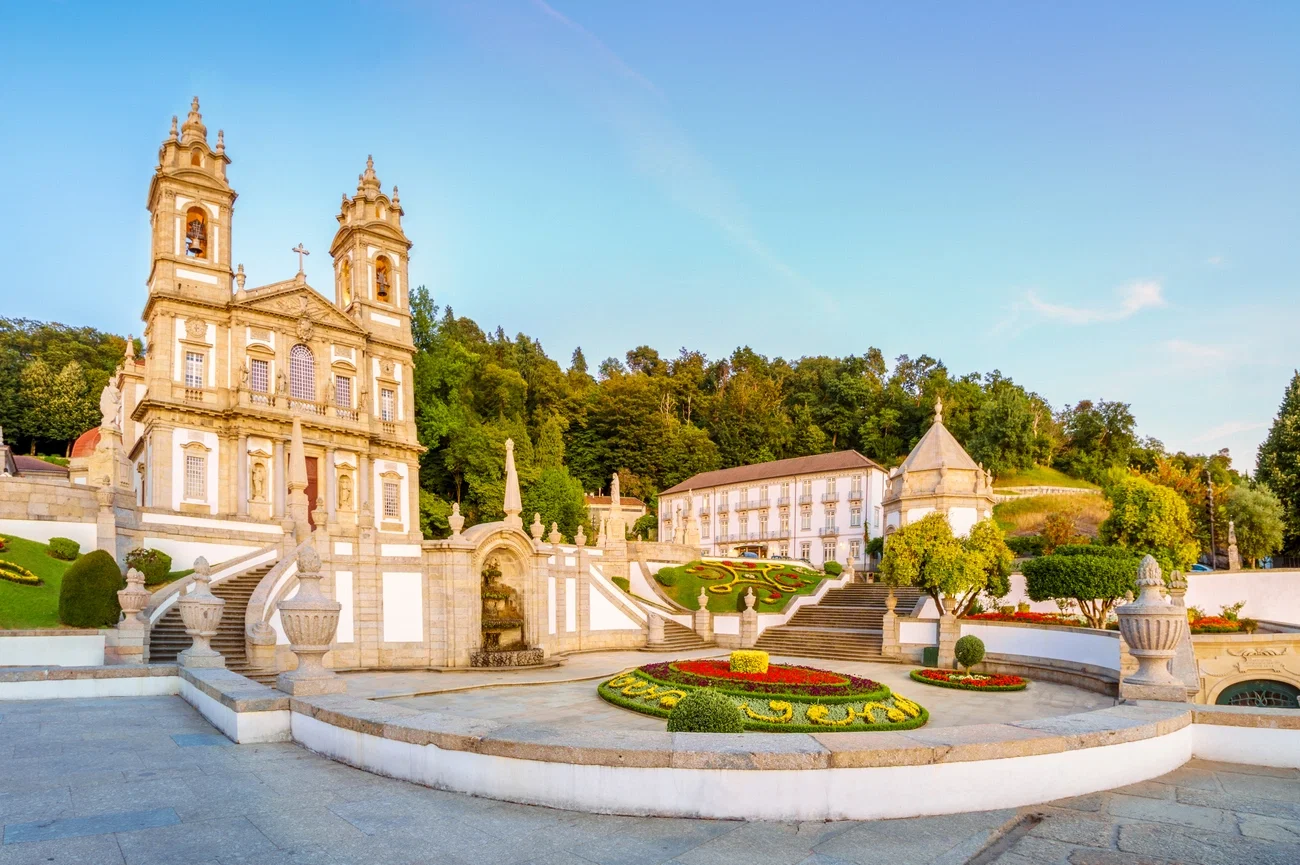
Known as the “city of archbishops”, Braga is one of Portugal’s most important religious centres, and this is reflected throughout the district. The Sé de Braga, one of the oldest cathedrals on the Iberian Peninsula, is just the start of a route that takes in the imposing Santuário do Bom Jesus do Monte (a UNESCO World Heritage Site), the Santuário do Sameiro, the Mosteiro de Tibães and Baroque churches in Guimarães and Barcelos. History also comes alive in castles such as the one in Guimarães, the birthplace of the Portuguese nation, and in well-preserved historic centres that tell of centuries of Minho tradition. Museums, religious festivities and traditional fairs complete the cultural picture.
Gastronomy
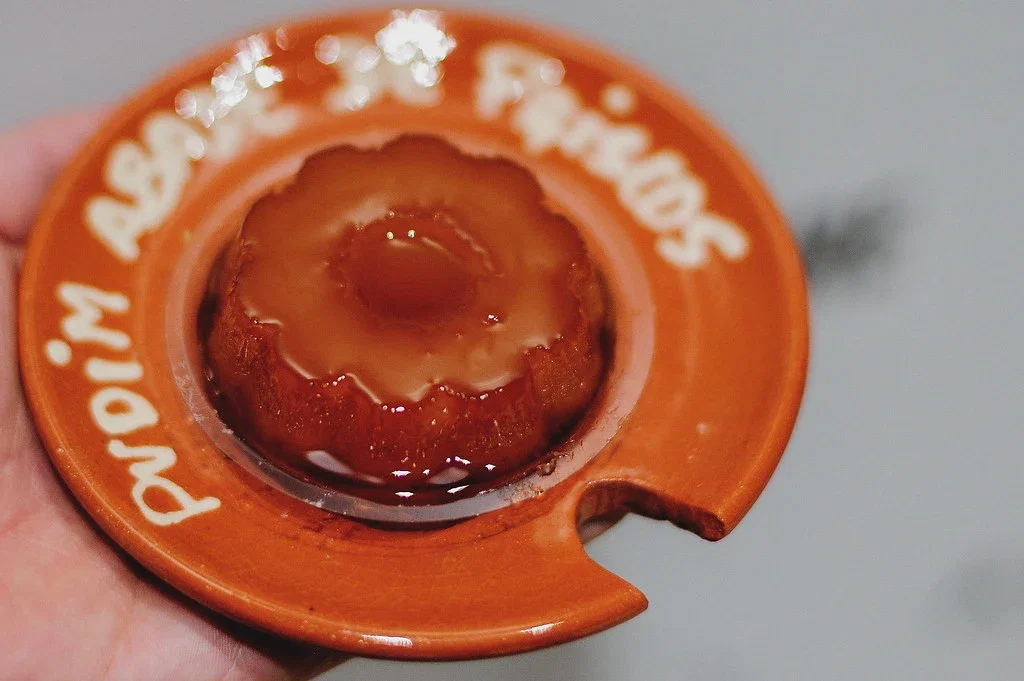
Minho cooking is comforting and full of soul. In the district of Braga, highlights include bacalhau à Braga (with cebolada – stewed onions – and chips), arroz de pato à moda do Minho, posta de vitela barrosã, papas de sarrabulho with rojões and home-made enchidos (cured sausages). In the mountain areas, cured goat’s cheeses and artisan smoked meats are a must-try treat. Sweets include pudim Abade de Priscos, clarinhas de Fão, fidalguinhos and bolo de ló de Guimarães. To go with it all, there is the unmistakable vinho verde, fresh and lightly sparkling, produced on quintas (wine estates) in the Cávado and Ave valleys.
Crafts and Regional Products
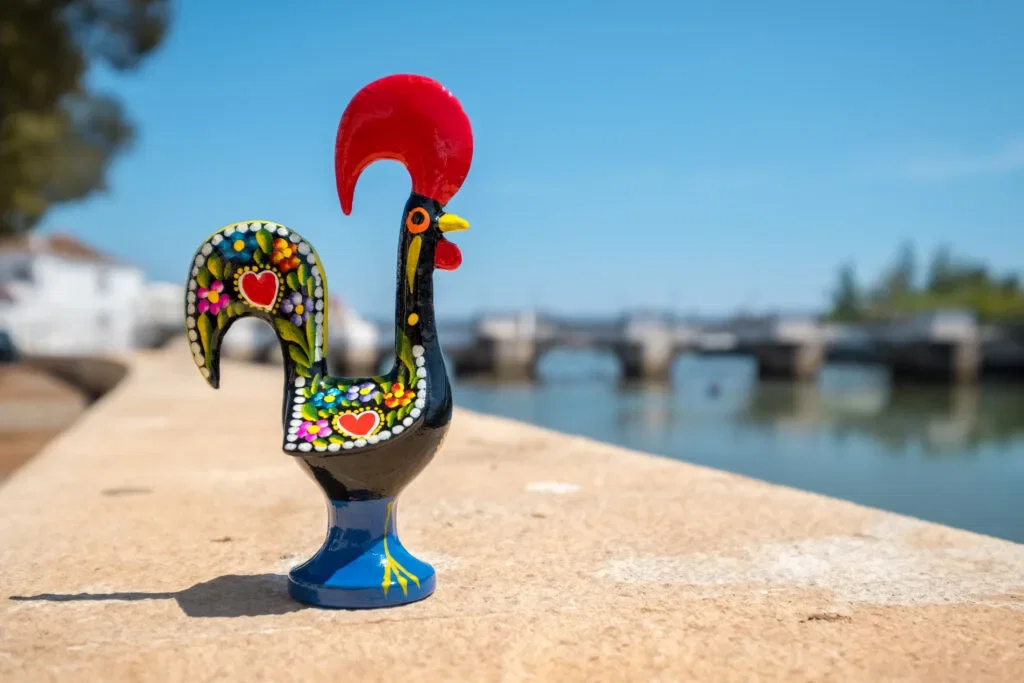
Braga’s traditional crafts honour age-old skills, notably the embroidery of Guimarães, the pottery of Barcelos (featuring the iconic Galo de Barcelos), gilded woodcarving (talha dourada), hand-spun linen and religious objects in metal and wood. At fairs and markets you can find mountain honey, home-made jams, artisan vinhos verdes, Minho liqueurs, natural soaps and woollen goods made on ancestral looms. The district is also known for products such as quality olive oil, seasonal fruit (such as the Bravo de Esmolfe apple grown in the Minho interior) and home-cured smoked meats sold directly by local producers.
Nature and Outdoor Activities
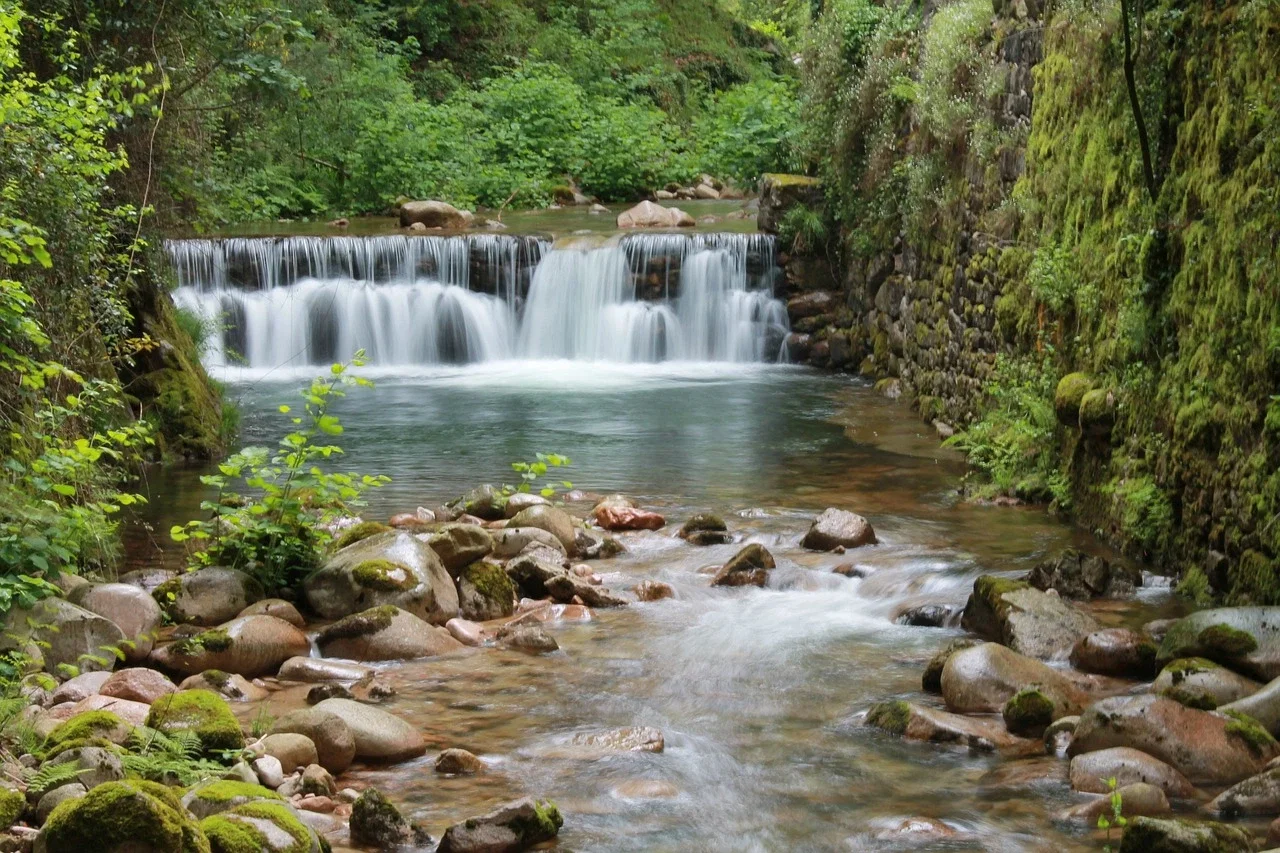
The district of Braga is surrounded by stunning natural scenery, from lush green valleys to the mountains of the Parque Nacional da Peneda-Gerês, which lies partly within the municipality of Terras de Bouro. The region offers crystal-clear waterfalls, walking trails, panoramic viewpoints, Roman bridges and schist villages that seem frozen in time. Among the most popular activities are trekking in the Gerês mountains, mountain biking on the trails of Vieira do Minho, canyoning in the rivers of Peneda, birdwatching, thermal baths in Caldelas and horse riding through breathtaking rural landscapes.
Climate
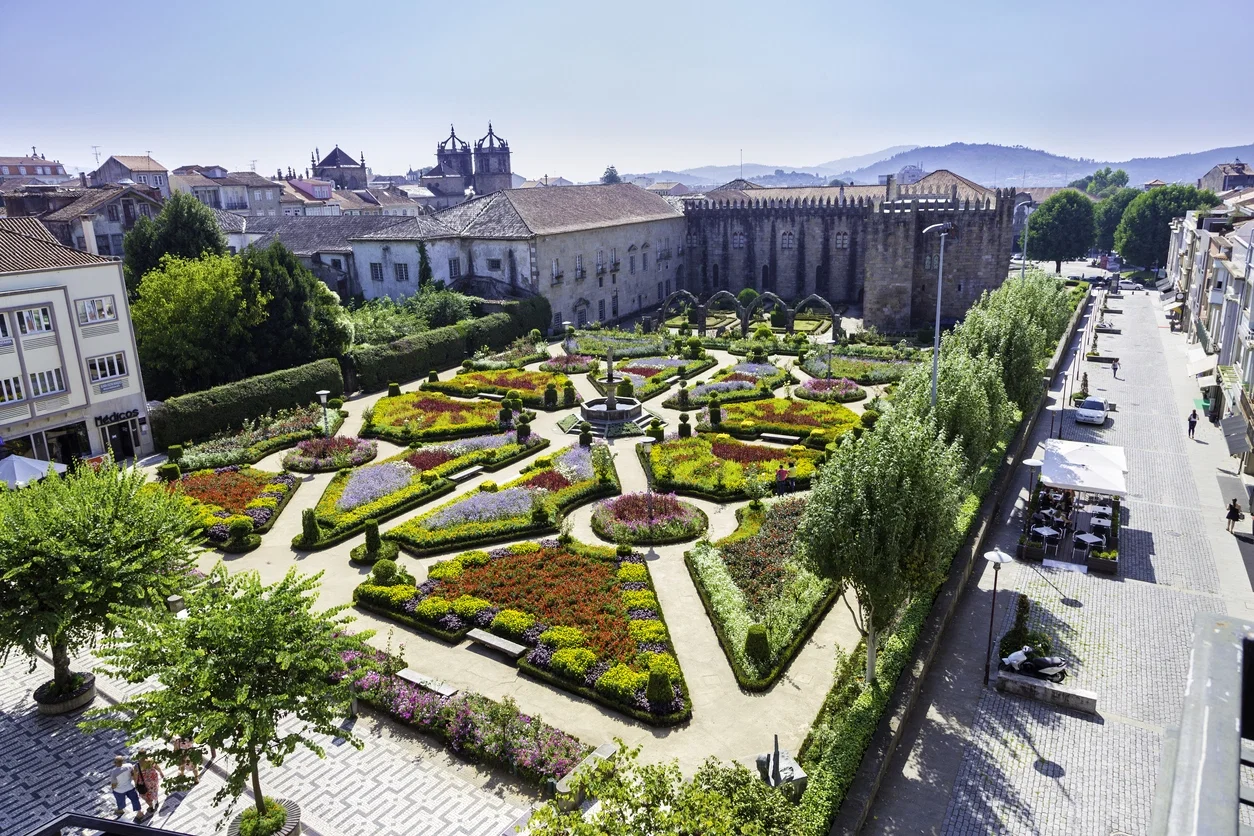
The district of Braga has a temperate Atlantic climate, with mild, rainy winters (8–15 °C) and hot, humid summers (25–35 °C). Spring and early autumn are the most pleasant seasons, with mild temperatures and lush vegetation. Plentiful water and moderate temperatures for much of the year make for intensely green landscapes and a fresh atmosphere, ideal for walks and outdoor excursions.
[widget_weather]
Featured Cities, Towns and Places
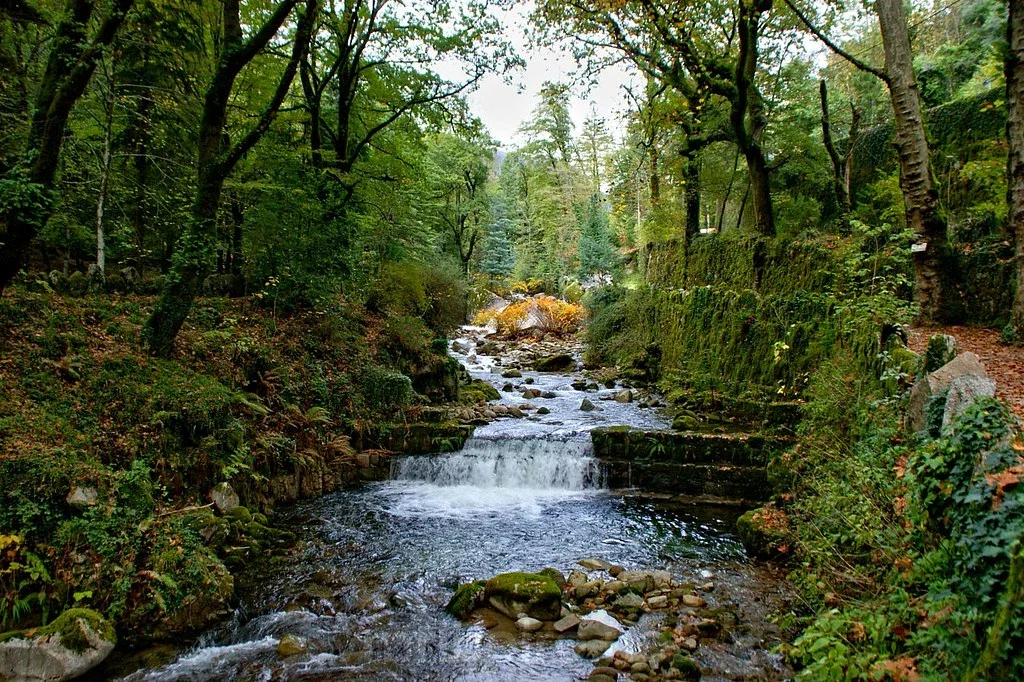
- Braga – An ancient city with unique religious heritage, Baroque art and a youthful atmosphere.
- Guimarães – The cradle of the nation, with a historic centre that is a UNESCO World Heritage Site.
- Barcelos – The capital of crafts and home of the famous Galo de Barcelos.
- Amares – A gateway to Gerês and a town of spas and traditions.
- Terras de Bouro – Part of the Parque Nacional da Peneda-Gerês, ideal for ecotourism.
- Vila Verde – Known for its tradition of lenços dos namorados (sweethearts’ handkerchiefs) and idyllic landscapes.
- Fafe – With an industrial history, mountain trails and a sporting spirit.
- Vieira do Minho – A natural retreat of reservoirs, mountains and authentic villages.
- Póvoa de Lanhoso – Notable for its Castle and the Rota do Ouro (Gold Route).
Must-See Events in Braga
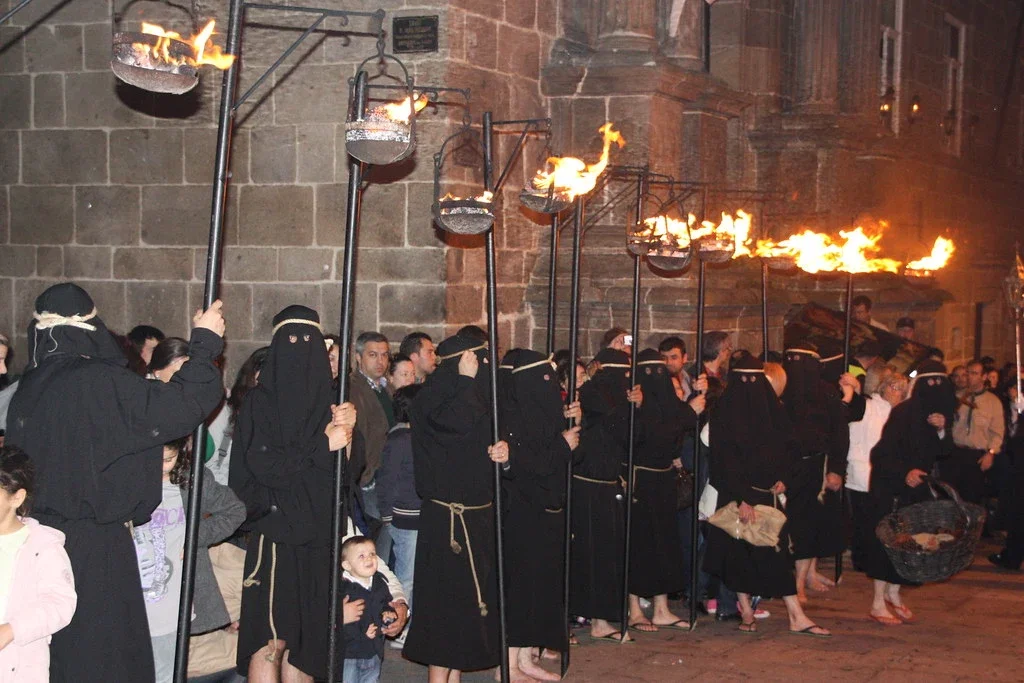
- Semana Santa de Braga (March/April) – One of Portugal’s largest religious celebrations, with solemn processions, flower carpets and sacred heritage.
- Feira do Gado de Barcelos (May and October) – A traditional fair with livestock shows, local produce and rural entertainment.
- Festas Gualterianas (August, Guimarães) – A century-old tradition with parades, concerts, fairs and fireworks.
- Noites Brancas de Braga (September) – A cultural event that fills the city with music, exhibitions and performances into the small hours.
- Romaria de São Bento da Porta Aberta (July/August) – One of the largest romarias in the north of the country, in Terras de Bouro, drawing thousands of pilgrims.
- Festival do Cante e da Dança (summer, Vila Verde) – A showcase of Minho folklore with traditional ranchos (folk groups) and typical local food.
Local Tips and Fun Facts
- The Galo de Barcelos is a national symbol and was born of a local medieval legend.
- Braga has one of the largest student communities in the country, with more than 20,000 students.
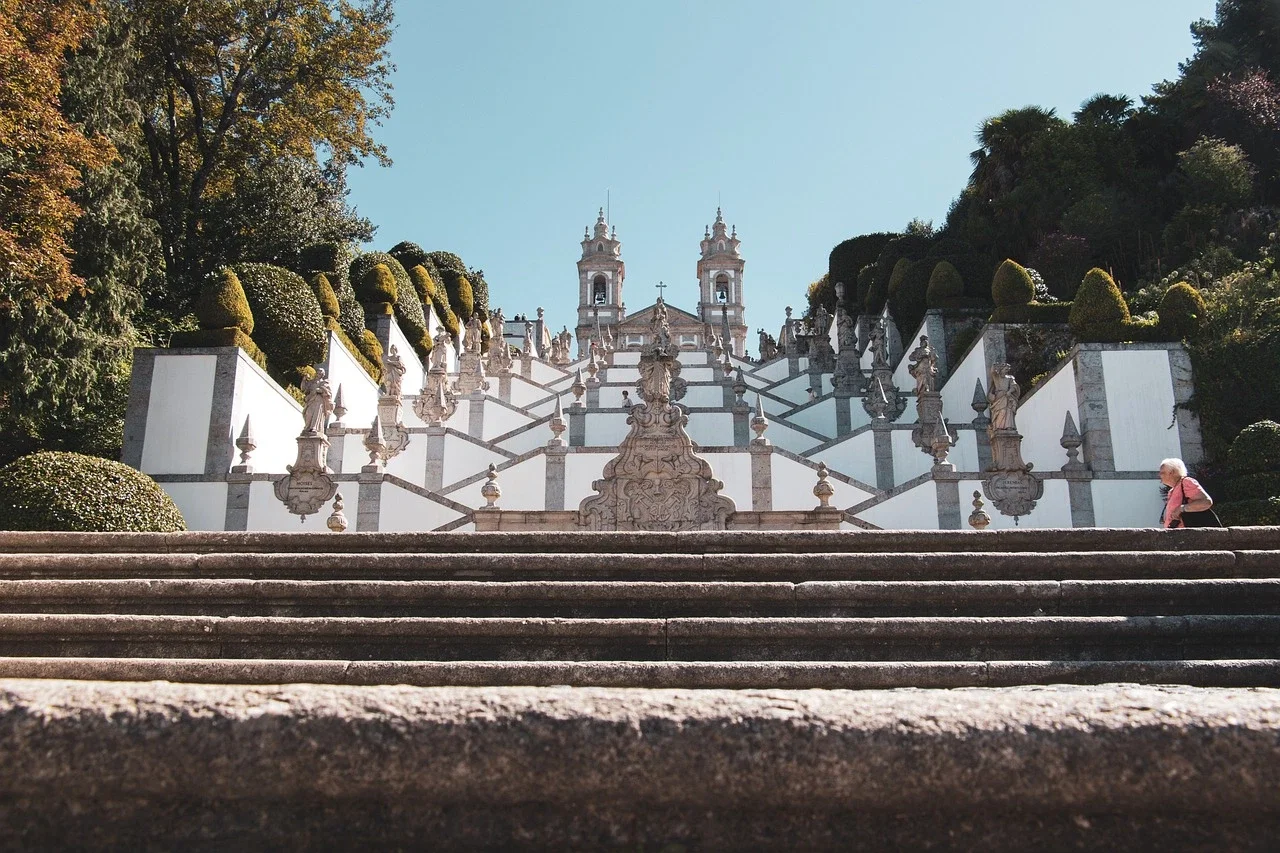
- The Santuário do Bom Jesus has a world-famous Baroque stairway with more than 500 steps.
- D. Afonso Henriques, the first King of Portugal, was born in Guimarães.
- The white vinho verde from the Cávado region is considered one of the freshest and most aromatic in the country.
Why Visit the District of Braga?
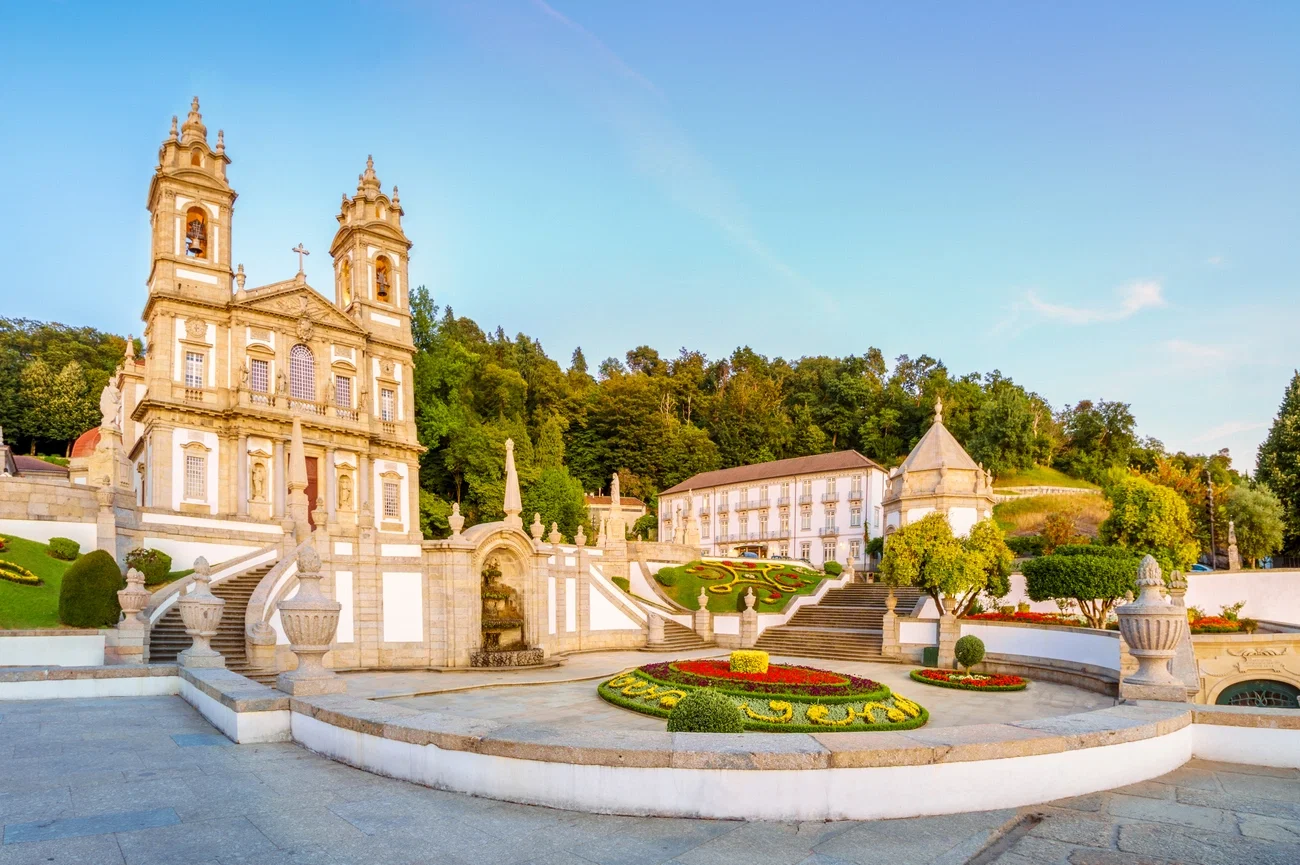
The district of Braga brings together the best of northern Portugal: the history of Guimarães, the spirituality of Braga, the landscapes of Gerês and the crafts of Barcelos. Here the food is bold, the people are welcoming and culture is lived in the streets, at festivals, in churches and in markets. It is a destination where you can pray, dance, eat and explore, all in a single day, with true Minho soul and a taste of authenticity.
Weather now in Distrito de Braga: 11°C
Distrito de Braga, Portugal
Saturday, 21 de November de 2026
11 °C
Light Rain Showers
FORECAST FOR THE NEXT HOURS
22:00
10 °C
23:00
10 °C
00:00
10 °C
Plan your visit to Distrito de Braga
Choose how many days you have and what you like, and we'll build an itinerary with real places in the area.
Eventos neste distrito
Explore the area
Municipalities and towns
Frequently asked questions
Leave your comment here
Comments (0)
No comment yet. Be the first to share your experience.