 Alemanha
 Brasil
 English (UK)
 Espanha
 França
 Portugal
Setúbal District
Explore the
Setúbal District, Portugal
About the District of Setúbal
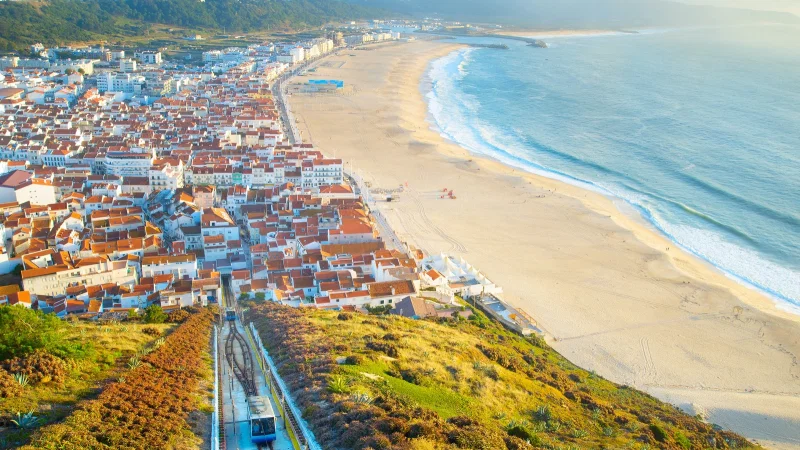
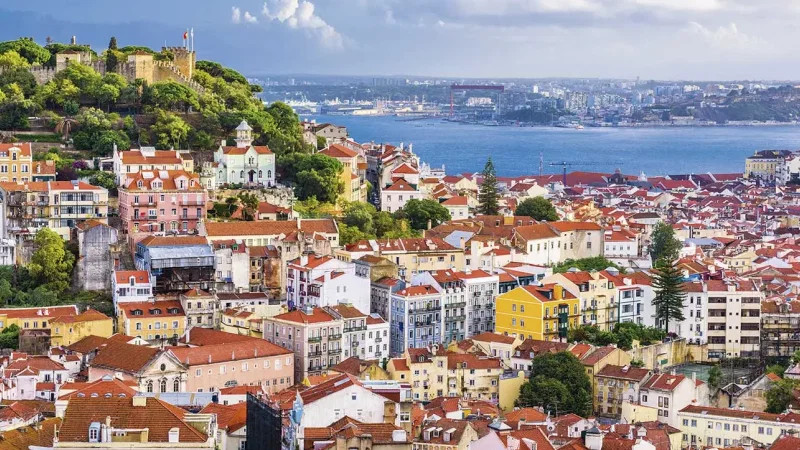
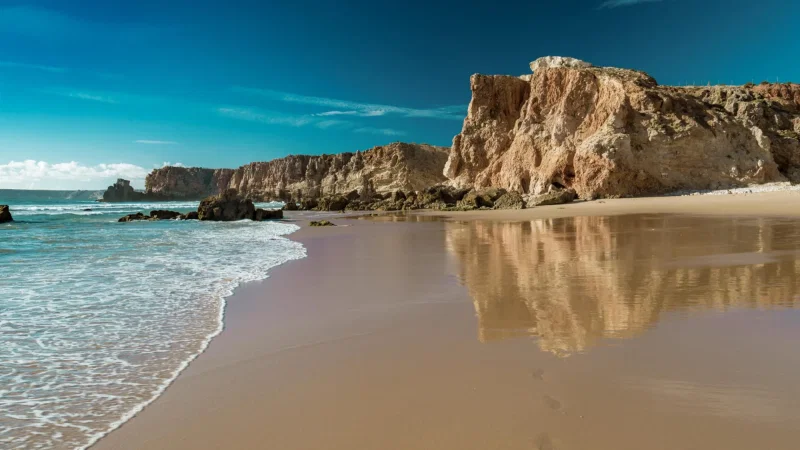
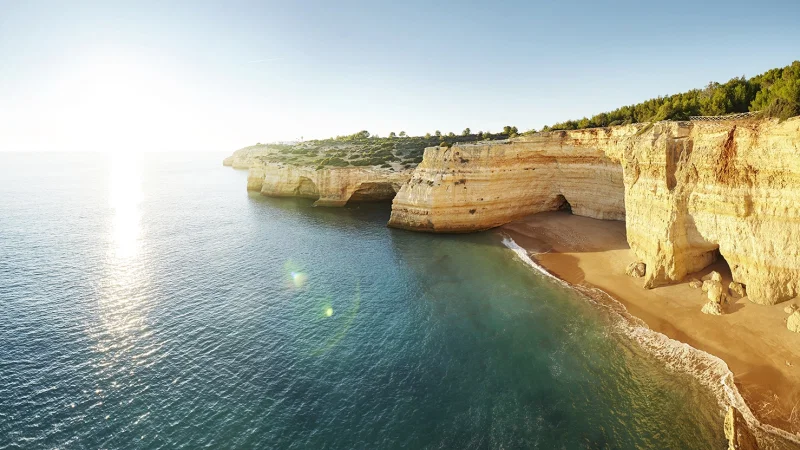
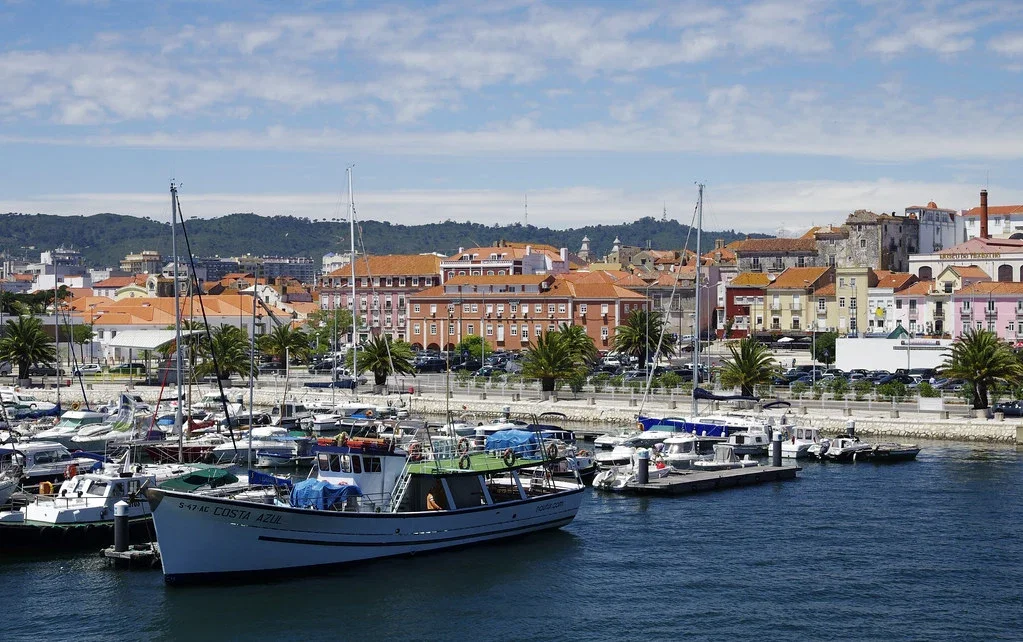
Set in the Lisboa e Vale do Tejo region, the District of Setúbal is a land of fascinating contrasts: between the Atlantic and the hills, between rural tradition and coastal life, between fishing villages and industrial towns that have reinvented themselves. It is a region where the sea meets the mountains, with surprising beaches, internationally renowned wines, a rich historical heritage and a strong cultural identity. From the coves of the Arrábida to the vineyards of Palmela, by way of the Sado dolphins, Setúbal is a complete, authentic and varied destination, ideal for lovers of nature, food and local experiences.
Culture and Heritage
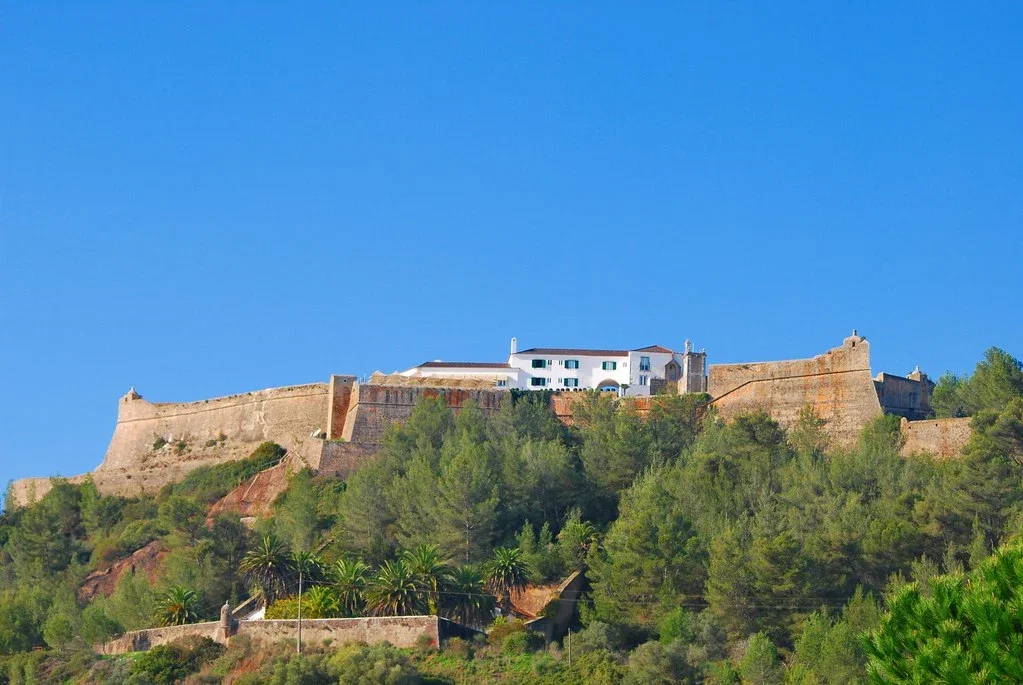
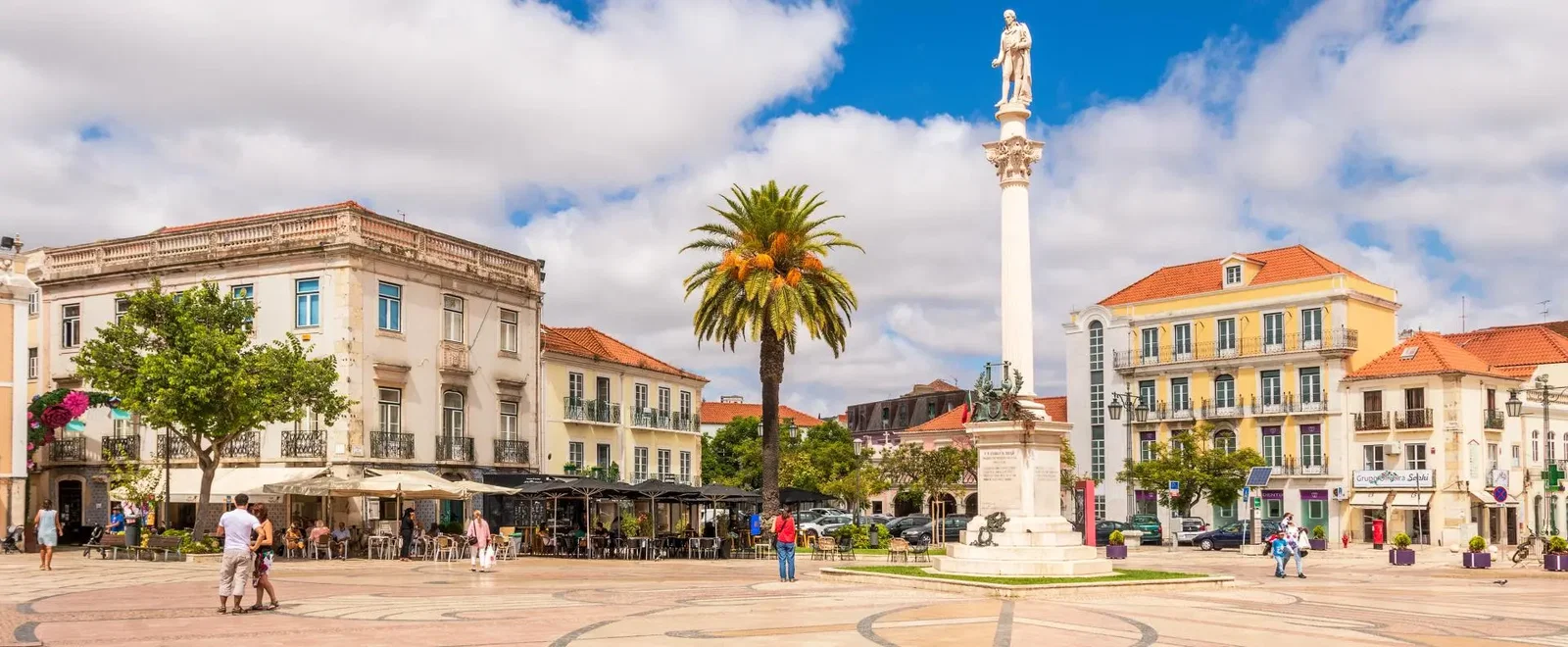
Setúbal is a land steeped in history, with traces ranging from the Roman occupation to its maritime and religious heritage. The city of Setúbal stands out for its Sé Catedral, the Convento de Jesus, the Forte de São Filipe and its narrow streets brimming with life. In Palmela, the lofty castle offers breathtaking views over the serra da Arrábida. Sesimbra, with its medieval castle and fishing harbour, keeps its maritime traditions alive. In Alcácer do Sal, the castle and the historic centre beside the river Sado date back to Islamic times. The Fortaleza de Santiago in Sesimbra, the Santuário do Cabo Espichel and the museums devoted to work, the sea and wine reveal the wealth of the local heritage. Also worth highlighting is the town of Montijo, with its bullfighting traditions and centuries-old festivities.
Gastronomy
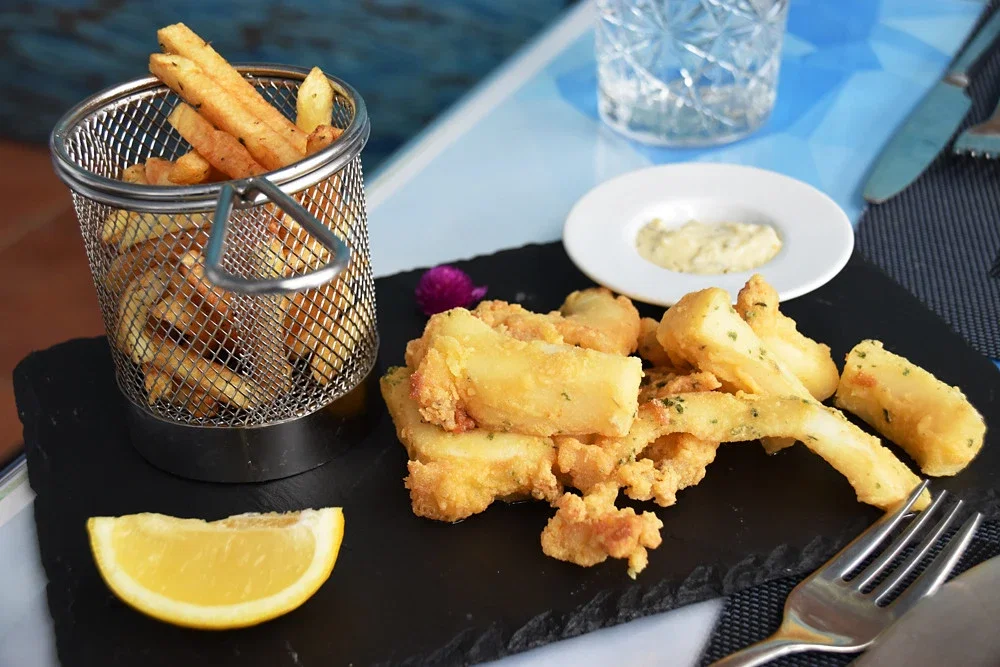
The district's cuisine is among the richest and most varied in Portugal. The influence of the sea is clear in dishes such as choco frito de Setúbal (fried cuttlefish), grilled fish from Sesimbra, caldeirada de peixe (fish stew), amêijoas à Bulhão Pato (clams in garlic and coriander), arroz de lingueirão (razor clam rice) and polvo à lagareiro. Inland, the stars are ensopado de borrego (lamb stew), açorda de ovas, eel stews and Alentejo-style pork dishes. The wines of the Península de Setúbal, above all Moscatel de Setúbal, are a national benchmark. Sweet treats include tortas de Azeitão, pão de ló de Cegonha, broas de mel (honey cakes), carob cakes, pine-nut sweets and the traditional arroz doce (rice pudding) flavoured with orange.
Crafts and Regional Products
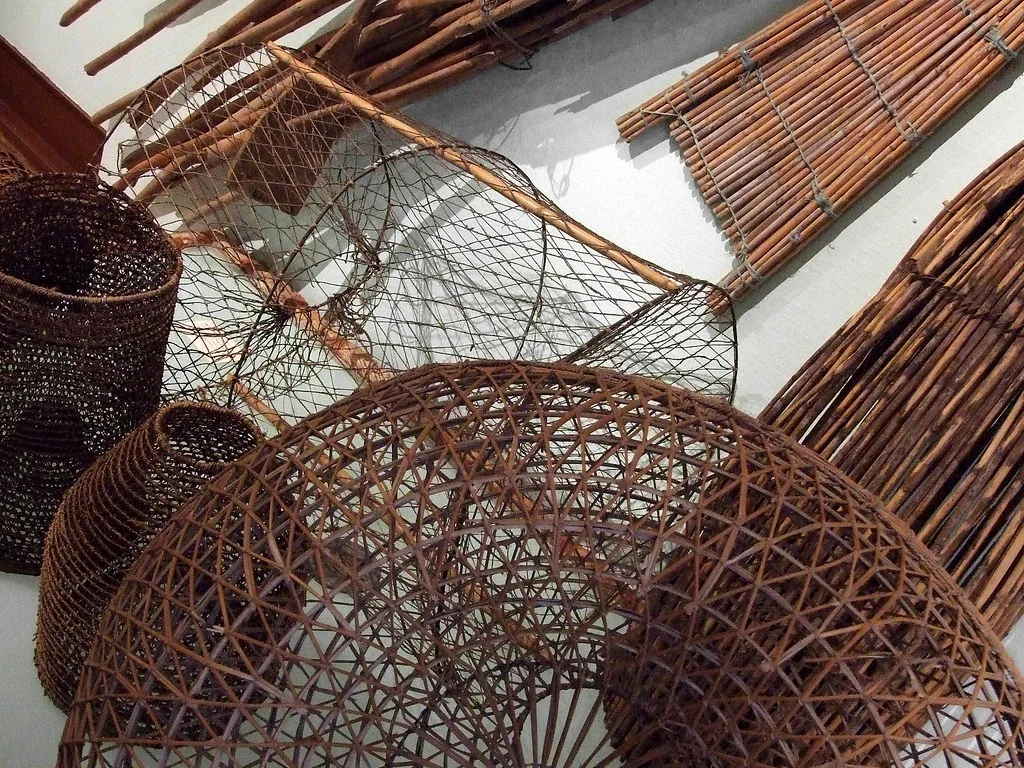
The district preserves craft traditions such as the glazed pottery of Palmela, wood and cork work, handmade blankets, hand-woven textiles, sacred art, the making of fishing nets and traditional saddlery. Among its regional products are queijo de Azeitão DOP, honey from the serra da Arrábida, black pork enchidos (cured sausages), salt from Alcácer do Sal, the region's virgin olive oil, dried fruit and nuts, homemade liqueurs and the emblematic Moscatel de Setúbal, with its unmistakable aroma and flavour.
Nature and Outdoor Activities
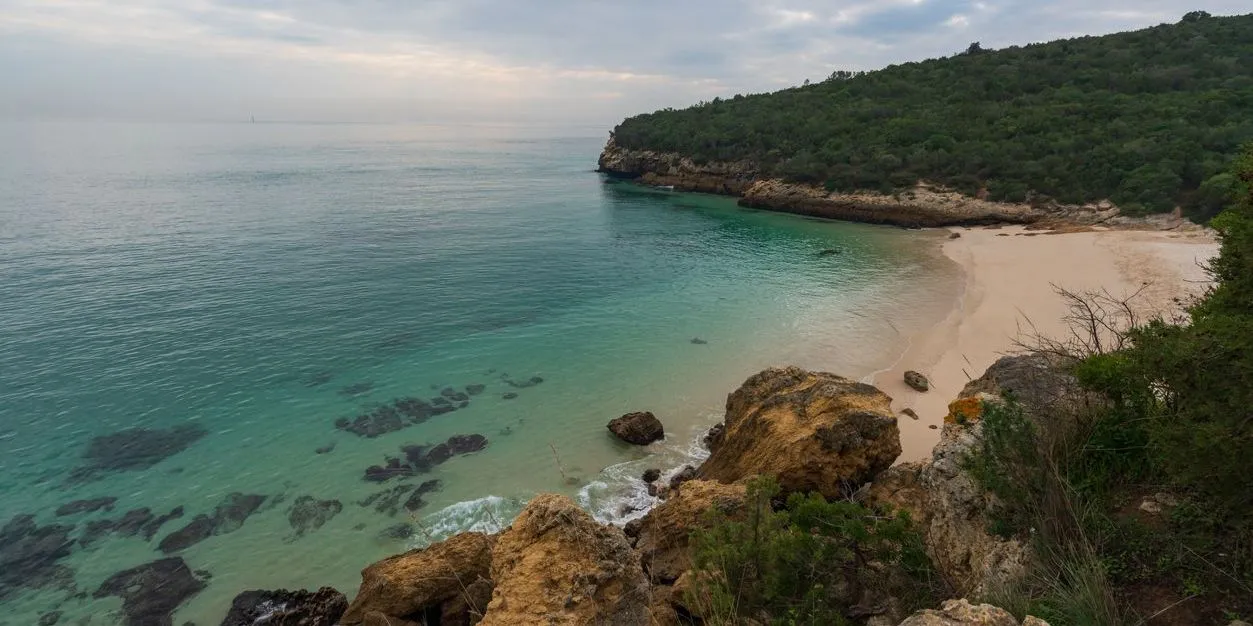
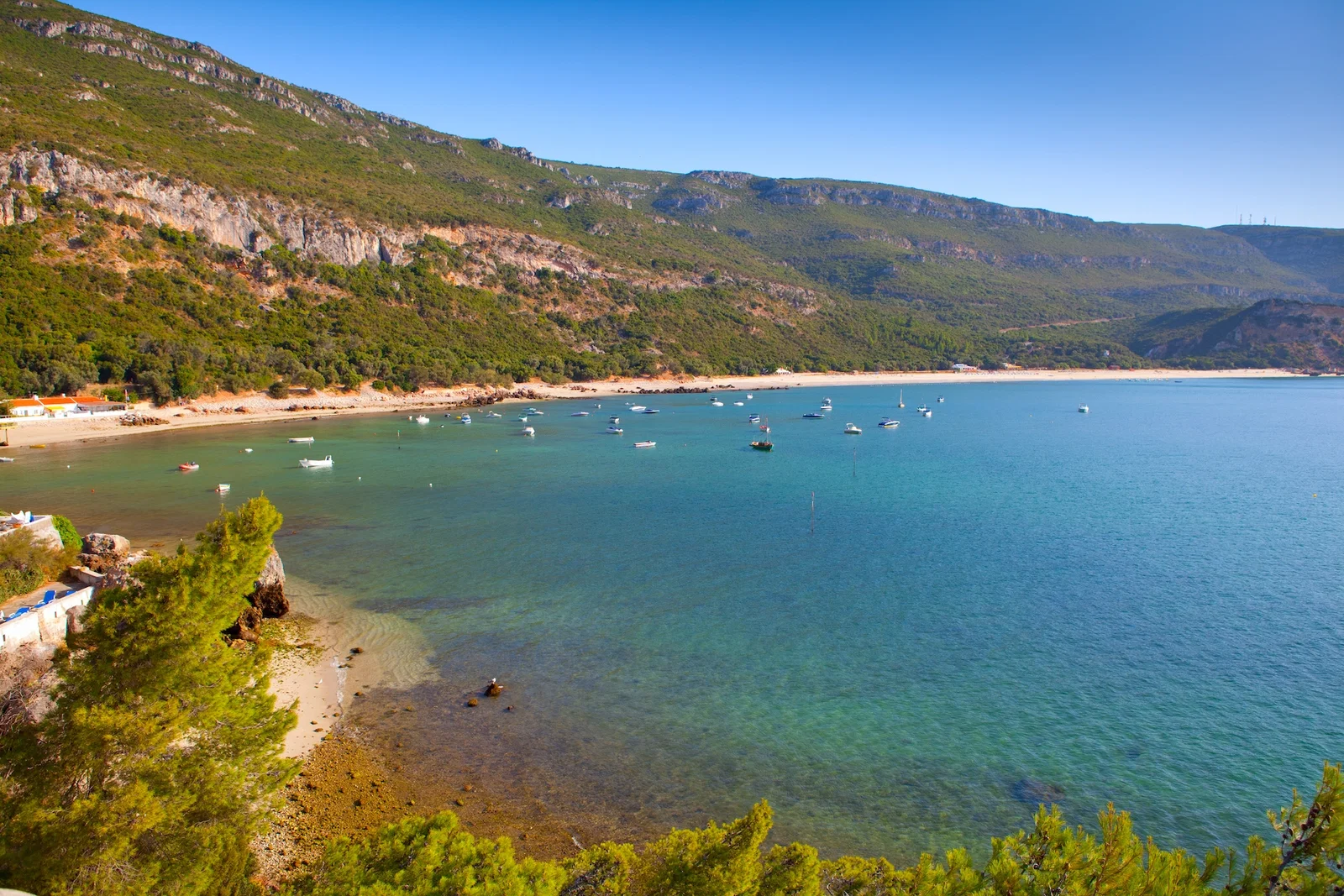
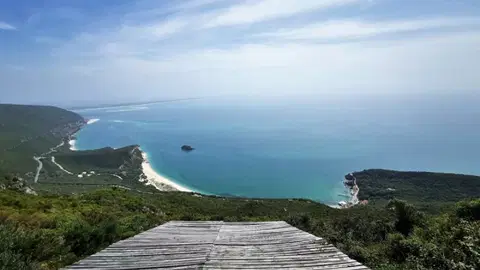
The Parque Natural da Arrábida is the district's great natural icon, with limestone slopes covered in Mediterranean vegetation, caves, cliffs and some of the most beautiful beaches in Portugal, such as Galápos, Figueirinha, Portinho da Arrábida and Creiro. The Reserva Natural do Estuário do Sado is home to one of Europe's only resident dolphin colonies. The salt pans of Alcácer, the salt marshes of Troia, the walking trails through vineyards and hills and the beaches of Comporta are ideal for hiking, birdwatching, photography and boat trips. Costa da Caparica, Lagoa de Albufeira and Praia do Meco are prime spots for surfing, bodyboarding and water sports.
Climate
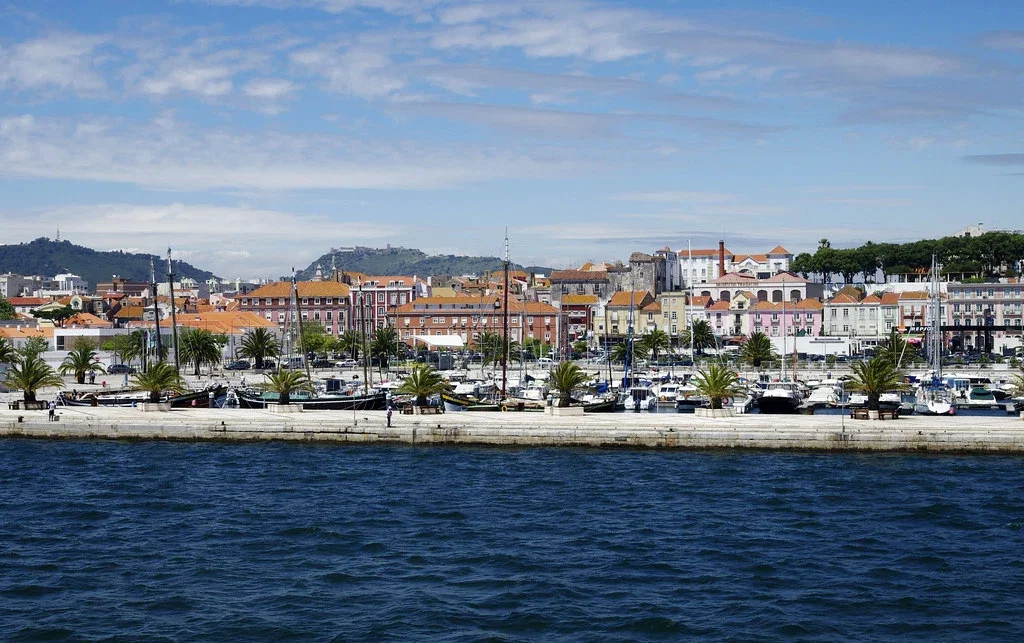
With a Mediterranean climate tempered by the Atlantic, the district enjoys hot, dry summers (averages of 30 °C) and mild, damp winters (lows of 7–10 °C). The Arrábida creates microclimates that favour biodiversity and make the region particularly pleasant all year round. Spring and autumn are ideal for active tourism and cultural visits, with mild temperatures and fewer visitors.
[widget_weather]
Highlighted Cities, Towns and Places
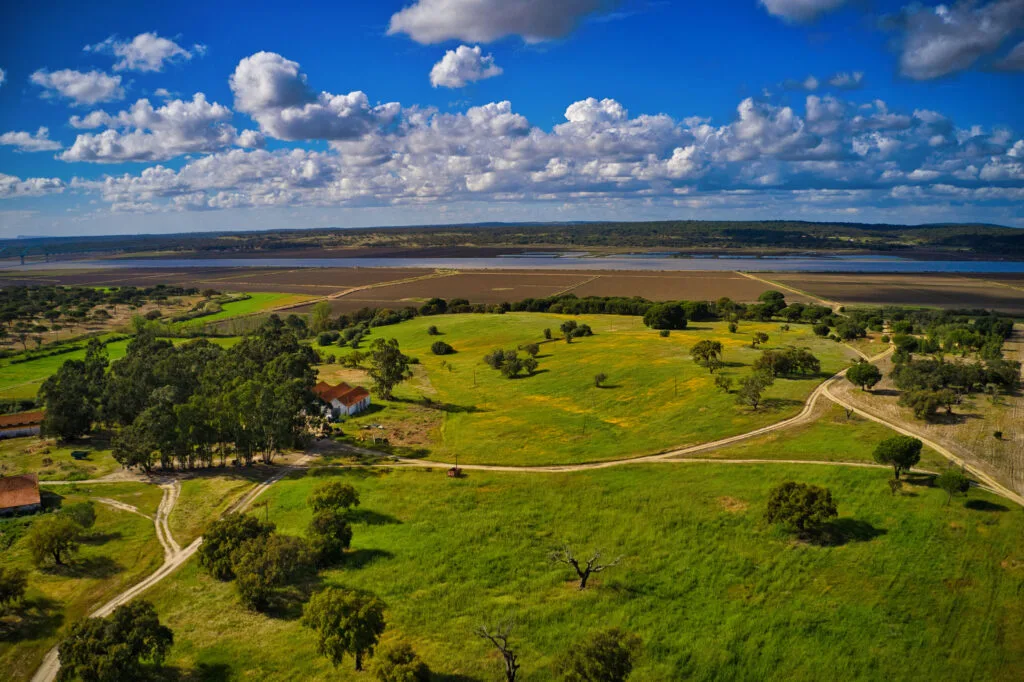
- Setúbal – District capital, with strong ties to the sea, fresh fish, culture and nearby beaches.
- Sesimbra – Fishing town with a seafaring tradition and sheltered beaches.
- Palmela – Castle, wine, nature and traditional festivities.
- Alcácer do Sal – Riverside town with Arab history, rice fields and salt pans.
- Montijo – A land of Ribatejo traditions and religious festivals.
- Azeitão – Wine-making village with cheese, wine and convent sweets.
- Grândola – Gateway to the Serra de Grândola and the Costa Alentejana.
- Sines (although it only belonged to the district of Setúbal until 1976) – Atlantic port and birthplace of Vasco da Gama.
- Troia – Idyllic peninsula with Roman ruins, beaches and understated luxury.
- Comporta – Sustainable tourism area with wild beaches and rice fields.
Unmissable Events in Setúbal
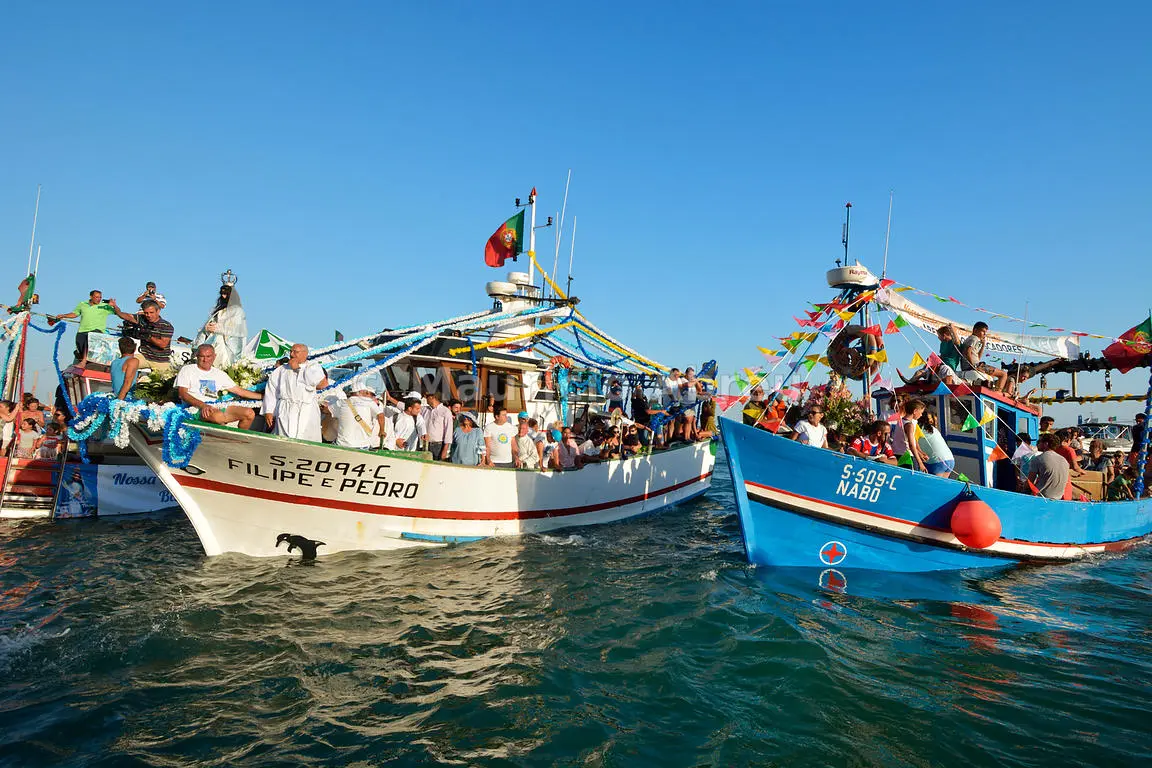
- Festa das Vindimas (September, Palmela) – Parades, grape treading, folk dancing, wine and tradition.
- Festival Queijo, Pão e Vinho (April, Azeitão) – Food event dedicated to regional products.
- Festa de Nossa Senhora do Rosário de Troia (August) – River procession, concerts and food.
- Festival do Choco (spring, Setúbal) – A celebration of the city's most emblematic dish.
- Festas de Sesimbra (June) – Celebrations with marchas populares (street parades), fireworks and processions.
Local Tips and Curiosities
- The Sado dolphin colony can be seen all year round on boat trips.
- Moscatel de Setúbal was once considered one of the finest fortified wines in the world.
- Portinho da Arrábida was voted one of the 7 Natural Wonders of Portugal.
- Setúbal is the birthplace of the soprano Luísa Todi and the footballer José Mourinho.
- Troia is home to one of the largest Roman fish-salting complexes in the Iberian Peninsula.
Why Visit the District of Setúbal?
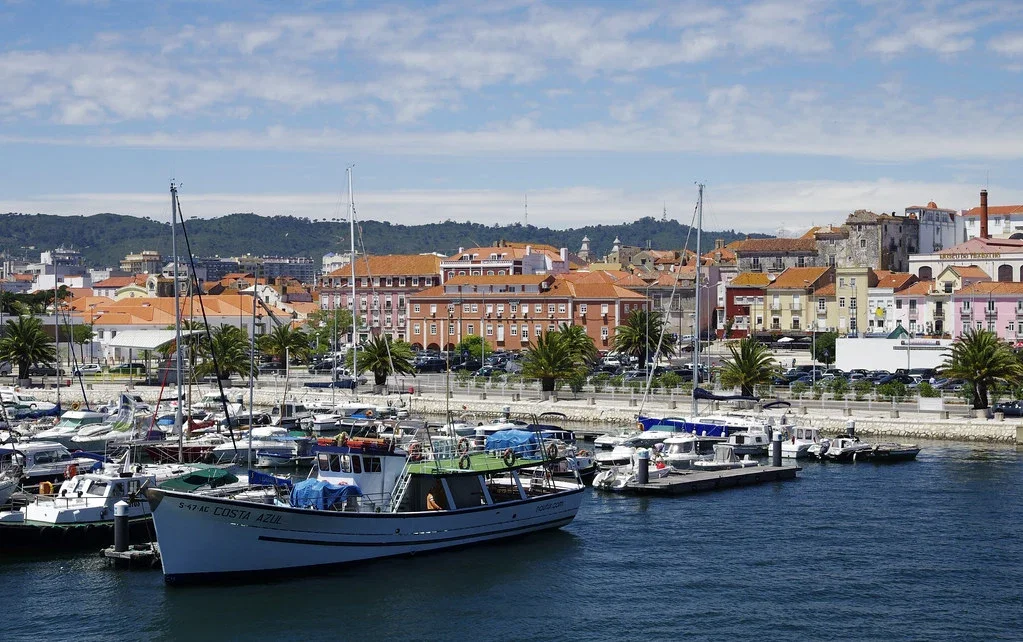
The district of Setúbal is a complete destination: idyllic beaches, hill trails, authentic villages, fresh fish on the table and unforgettable wines. Here you can see dolphins in the wild, climb up to medieval castles, visit century-old wineries and unwind at sunset overlooking the Atlantic. The district of Setúbal is at once vibrant and peaceful, wild and sophisticated. Every corner of this land invites you to stay, and to come back.
Weather now in Distrito de Setúbal: 17°C
Distrito de Setúbal, Portugal
Saturday, 21 de November de 2026
17 °C
Overcast
Humidity
90%
Wind
17
km/h
Max Temperature
21
°C
Min Temperature
14
°C
FORECAST FOR THE NEXT HOURS
22:00
17 °C
23:00
16 °C
00:00
15 °C
Explore the District with our tours
Planeie itinerários autónomos pelo Distrito de Setúbal: percorra de bicicleta as margens do Sado, descubra a pé os trilhos da Arrábida, explore a costa em self-drive com paragens nas praias de Galápos e Portinho da Arrábida, e siga rotas secretas pelas vinhas de Palmela.
Planner with AI
Plan your visit to Distrito de Setúbal
Choose how many days you have and what you like, and we'll build an itinerary with real places in the area.
Ver roteiros prontos (2)Places to visit in Distrito de Setúbal
Descubra de forma independente os locais mais especiais do Distrito de Setúbal: o Castelo de Palmela, o Convento da Arrábida, as praias de Troia e Comporta, o estuário do Sado e a Serra da Arrábida com os seus miradouros sobre o Atlântico.
-
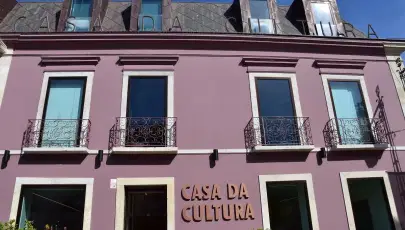
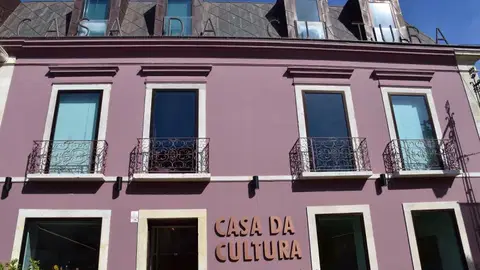
Casa da Cultura
Setúbal, Lisboa
-
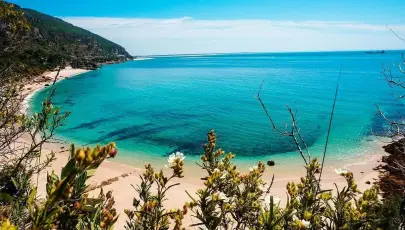
Praia de Galapinhos
Setúbal, Lisboa
-
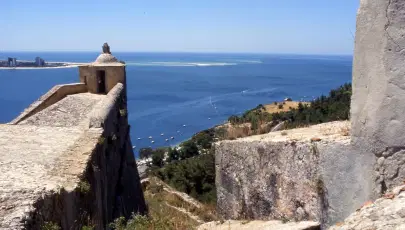
Forte de São Filipe
Setúbal, Lisboa
Where to eat in Distrito de Setúbal
-

Tasca da Avenida
Setúbal, Lisboa
-

Casa Santiago - O Rei Do Choco Frito
Setúbal, Lisboa
-
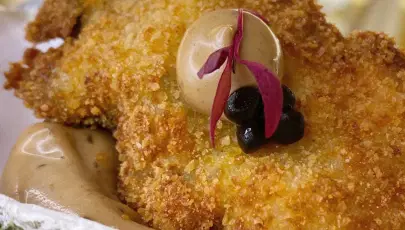
O Farol
Setúbal, Lisboa
Things to do in Distrito de Setúbal
-

Bowling Setúbal
Setúbal, Lisboa
Eventos neste distrito

Explore the area
Municipalities and towns
District Map
Frequently asked questions
The best time to visit the Setúbal District is in spring (April to June) and early autumn (September and October), when temperatures are pleasant, the vegetation is green and the beaches are not overcrowded.
Be sure to try choco frito (fried cuttlefish), caldeirada de peixe (fish stew), amêijoas à Bulhão Pato (clams with garlic and coriander), queijo de Azeitão and the fig sweets of Comporta.
Visit the Arrábida Natural Park, explore the beaches of Galápos, Portinho and Figueirinha, take a trip along the Sado estuary and climb up to the Castelo de Palmela for panoramic views.
Yes, the Sado estuary is great for watching dolphins and waterbirds, and in Arrábida you can spot foxes, hedgehogs and several species of birds of prey.
The climate is temperate Mediterranean, with hot, dry summers (averaging 28–32 °C) and mild, damp winters (averaging 10–15 °C), with rainfall concentrated from November to March.
Leave your comment here
Review sent
Comments (0)
No comment yet. Be the first to share your experience.