 Alemanha
 Brasil
 English (UK)
 Espanha
 França
 Portugal
Guarda District
Explore the
Guarda District, Portugal
About Guarda District
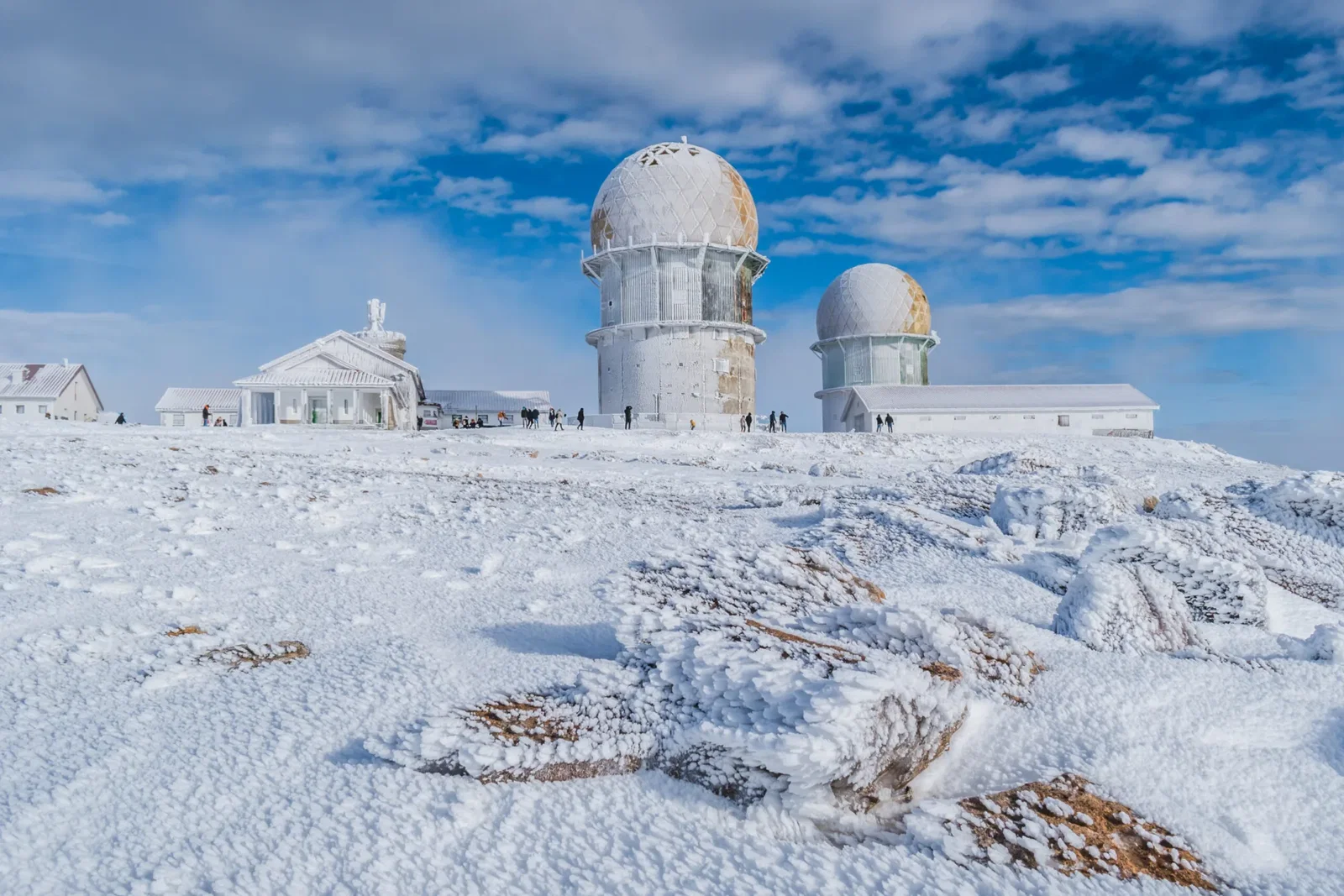
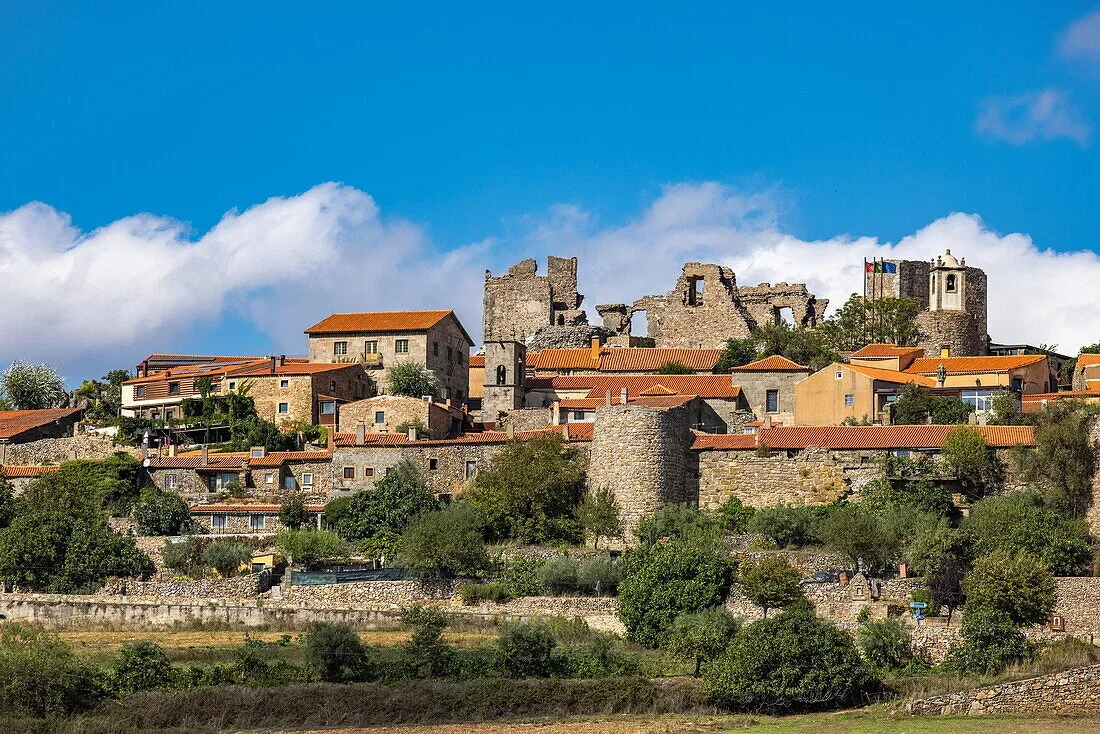
Located in north-central Portugal, Guarda District is one of the country's most authentic and highest-lying regions, where tradition blends with imposing landscapes and a mountain climate that sets its own rhythms. With the city of Guarda sitting more than 1,000 metres above sea level, this district invites you to discover historic villages, medieval castles, mountain trails and hearty cuisine, all framed by glacial valleys, crystal-clear streams and the Parque Natural da Serra da Estrela, home to the highest point in mainland Portugal. Here you breathe pure air, hear centuries-old stories and feel a deep, resilient and beautiful Portugal.
Culture and Heritage
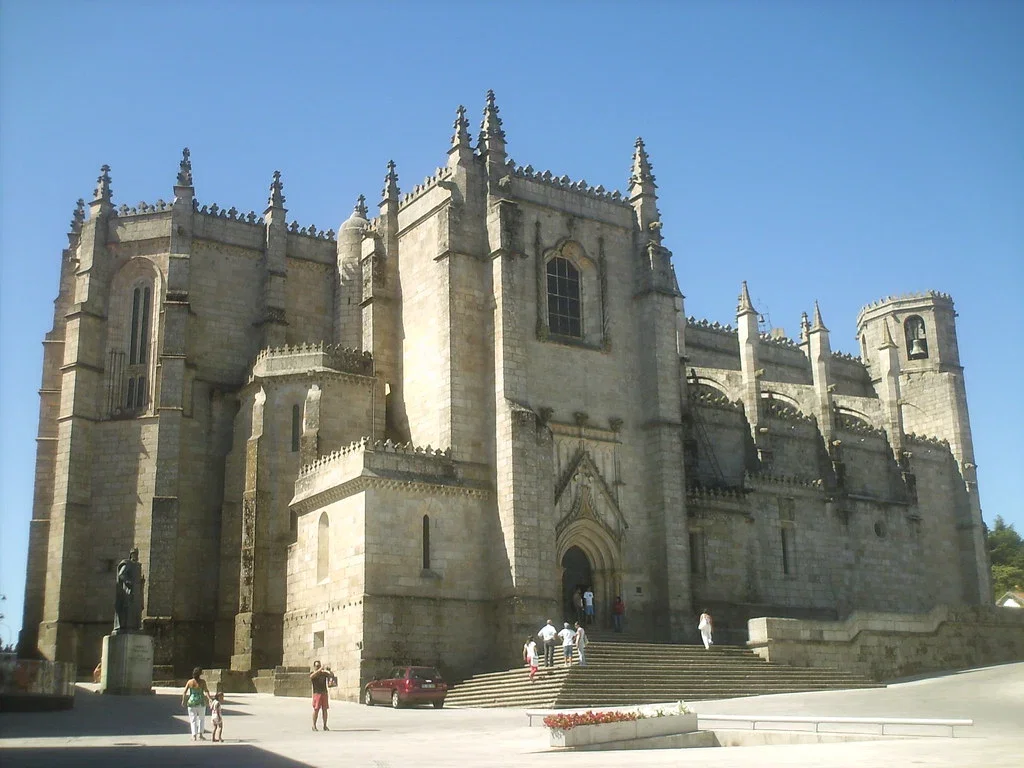
Guarda's history goes back to the 12th century, when it was founded by King Sancho I as a fortress city to protect the borders. The Gothic-Manueline Sé da Guarda (cathedral) towers over the rooftops, while the medieval streets hide traces of Jewish and Arab presence. The district is dotted with historic villages such as Sortelha, Belmonte, Almeida, Castelo Mendo and Marialva, each with walls, pelourinhos (stone pillories) and legends that echo in the granite. Belmonte, the birthplace of Pedro Álvares Cabral, keeps a strong Jewish heritage and is today a symbol of interfaith dialogue. The region also preserves traditions such as the singing of the janeiras (New Year carols), the caretos (masked figures) and pagan festivities with ancient roots.
Gastronomy
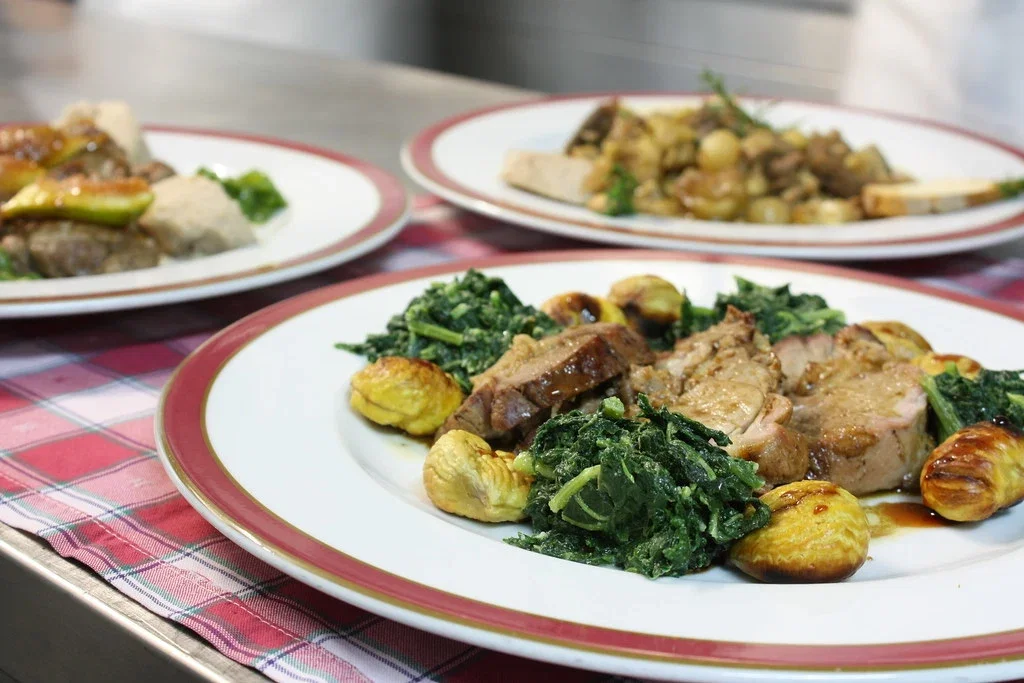
Guarda's cuisine mirrors its land: mountainous, hearty and rich in intense flavours. Dishes such as cabrito assado à moda da Beira (Beira-style roast kid), chanfana, ensopado de javali (wild boar stew), milhos com entrecosto, arroz de carqueja, chestnut soups and artisanal enchidos (cured sausages) delight anyone looking for tradition at the table. The creamy, intense queijo da Serra da Estrela DOP is a national benchmark, as are the Dão wines produced on the mountain slopes. Among the sweets, look out for borrachões, bolo negro de Loriga, coscoréis, rebuçados da Guarda and doce de castanha com mel (chestnut and honey preserve).
Crafts and Regional Products
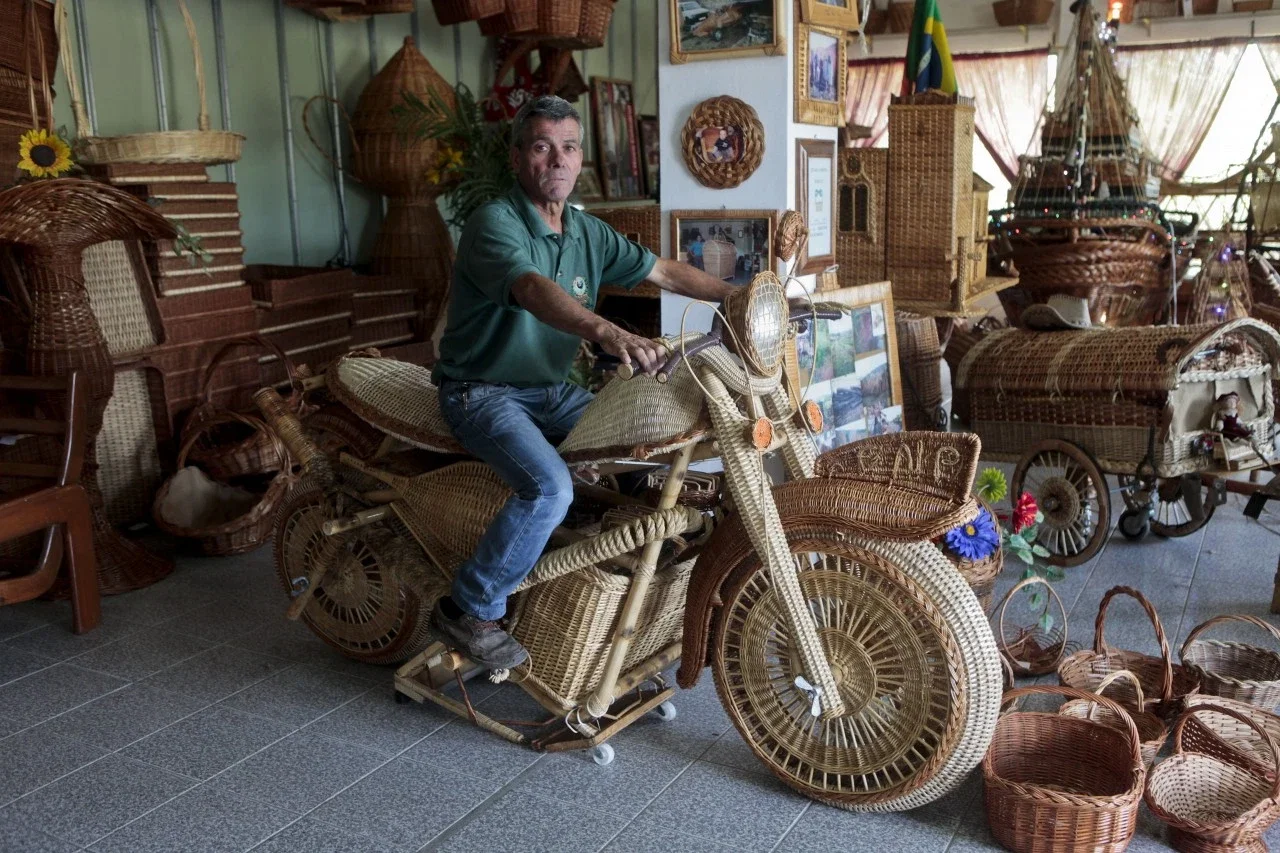
The know-how of Guarda's people shows in a range of traditional crafts: hand-weaving of burel (traditional wool cloth), Beira embroidery, wicker basketry, granite cutting, wrought iron and the handmade production of woollen blankets. Village markets and seasonal fairs are the best places to find organic olive oil, heather honey, mountain chestnuts, Dão wines, artisanal cheese, natural soaps, medronho (strawberry tree) and juniper liqueurs, and homemade enchidos such as farinheiras, morcelas and salpicões.
Nature and Outdoor Activities
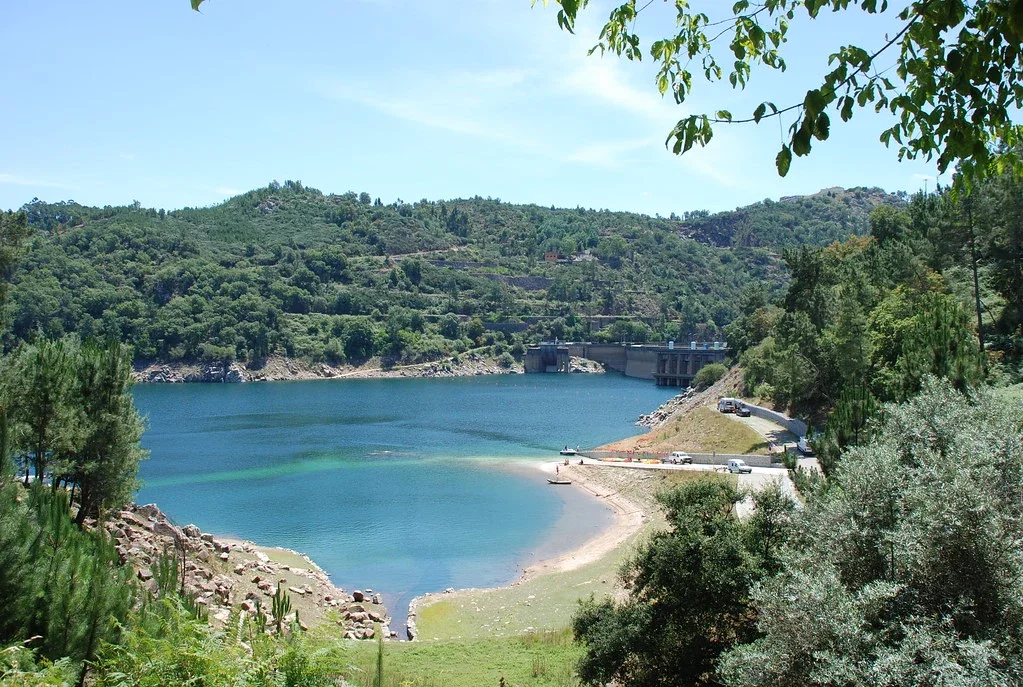
The district is a natural paradise waiting to be explored, above all the Parque Natural da Serra da Estrela, home to Portugal's largest high plateaus, glacial valleys such as the Zêzere valley, and landmarks like Torre, the highest point in mainland Portugal (1,993 m). Hiking, climbing, skiing (in winter), wildlife and plant watching and mountain-bike trails are just some of the activities on offer. The region also boasts the Rota das Aldeias Históricas (Historic Villages Route), waymarked trails such as the Grande Rota GR22, river beaches like the one at Valhelhas, and dark skies ideal for astrotourism.
Climate
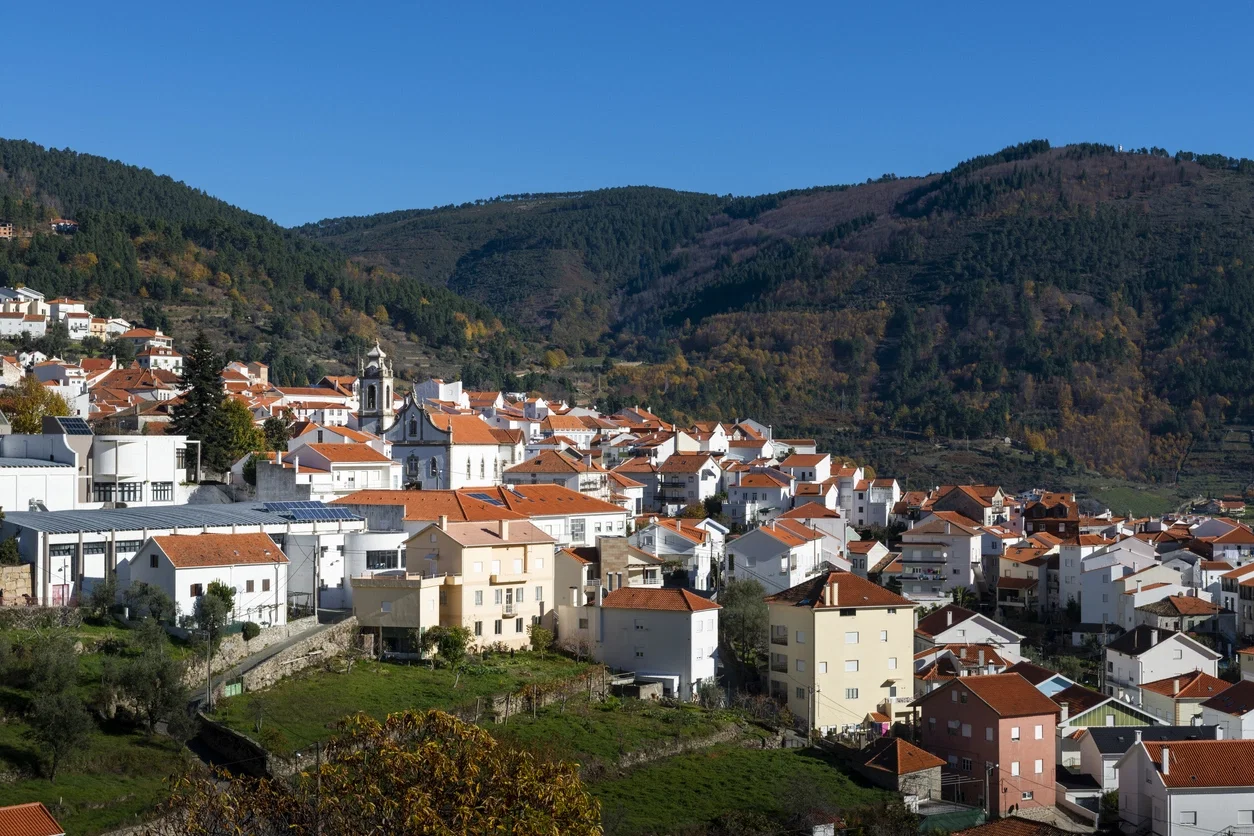
Guarda District has a Mediterranean climate with a strong continental influence, which means cold, harsh winters with the chance of snow, and hot, dry summers. Spring and autumn bring mild temperatures and are ideal for exploring the countryside and villages in greater comfort. The region's altitude ensures pure air and landscapes that are often painted white in winter.
[widget_weather]
Featured Cities, Towns and Places
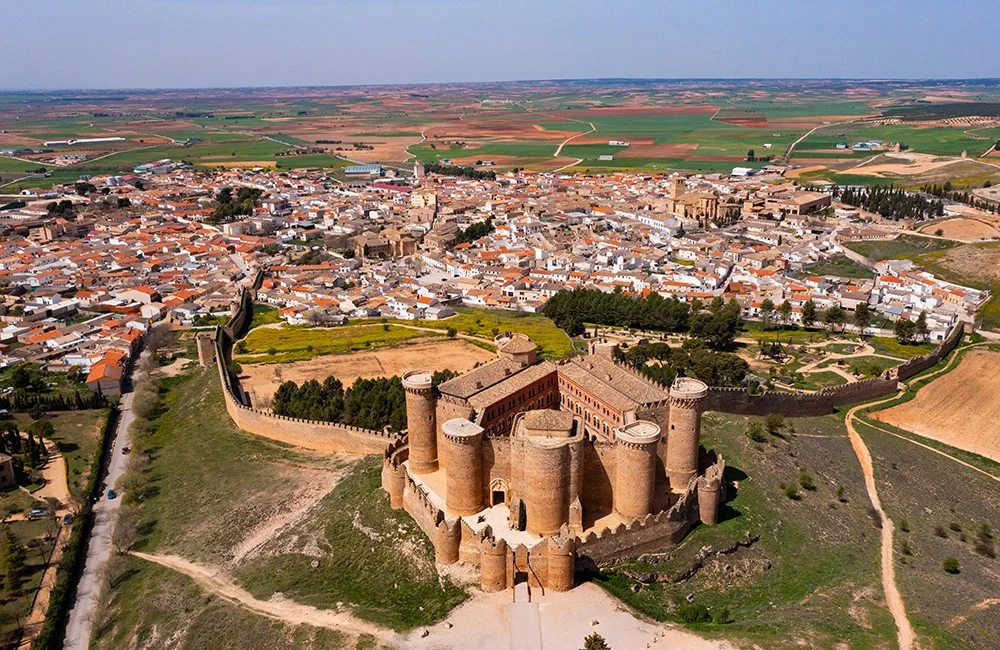
- Guarda – Portugal's highest city, with a medieval historic centre and a lively cultural scene.
- Belmonte – Historic town with a Jewish heritage and museums devoted to the Age of Discovery.
- Sortelha – One of the oldest and best-preserved villages, encircled by medieval walls.
- Almeida – Star-shaped fortress with a rich military history.
- Marialva – Charming medieval village with panoramic views and historic ruins.
- Manteigas – Mountain town in the heart of the Serra da Estrela, ideal for hiking and nature.
- Fornos de Algodres – Rural history, peaceful landscapes and religious heritage.
- Sabugal – Home to the five-cornered castle and surrounded by nature.
- Seia – Southern gateway to the Serra da Estrela, with museums, great food and snow in winter.
- Celorico da Beira – Capital of queijo da Serra cheese, with deep-rooted farming traditions.
Unmissable Events in Guarda
- Feira Farta da Guarda (September) – Food and culture showcase with regional produce and entertainment.
- Belmonte Medieval (August) – Historical re-enactment with a medieval market, music, theatre and crafts.
- Festa da Transumância (June, Seia and Manteigas) – A celebration of shepherding traditions, with flock processions and cultural events.
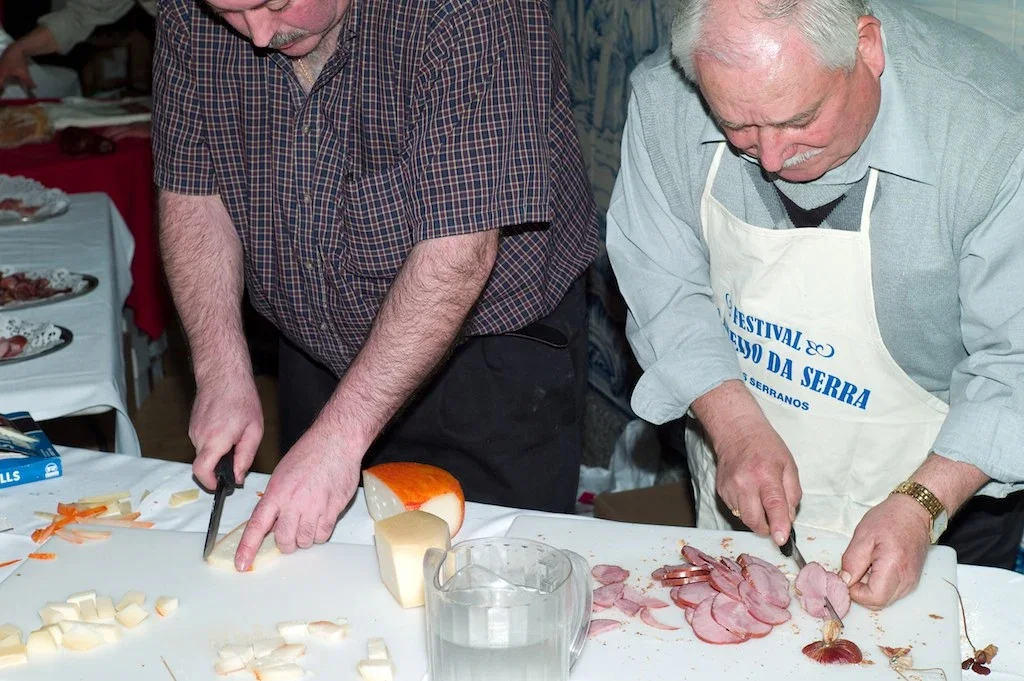
- Festival Queijo Serra da Estrela (March, Celorico da Beira) – Tastings, competitions and local crafts.
- Festival de Outono (October, Sortelha) – Cultural event in the Aldeias Históricas (Historic Villages), with music, theatre and food.
Local Tips and Fun Facts
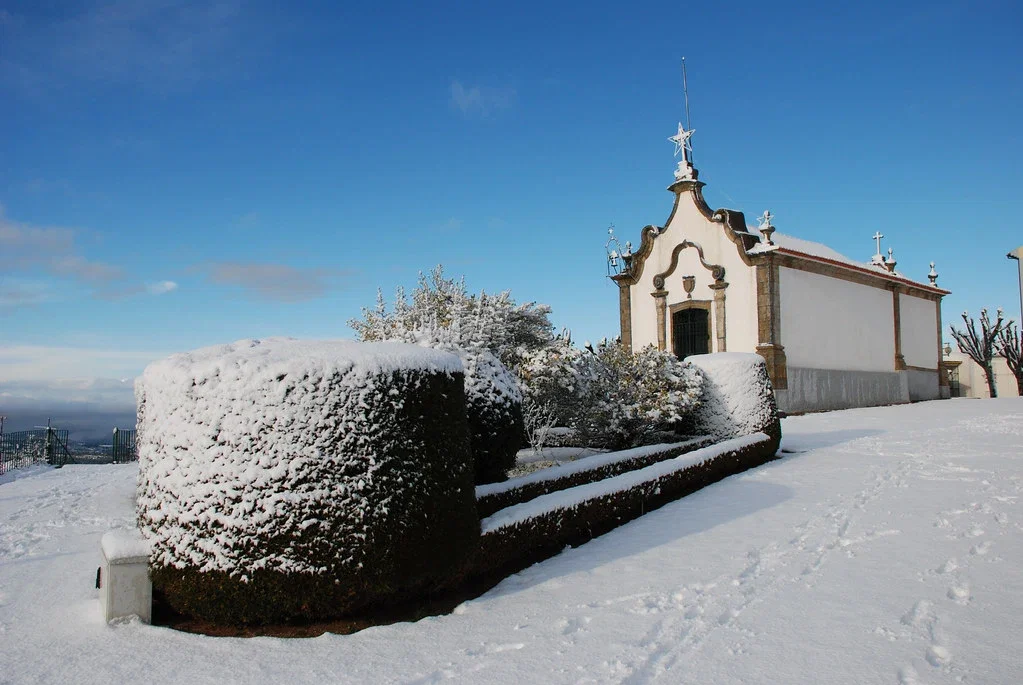
- Guarda is Portugal's highest city and one of those where snow falls most often.
- The Cão da Serra da Estrela (Estrela Mountain Dog) is a native breed historically used to guard flocks.
- Queijo da Serra da Estrela DOP is made only between November and March, from the milk of Bordaleira sheep.
- The GR22, the Grande Rota das Aldeias Históricas, is over 600 km long and links 12 medieval villages.
- The Estrela's glacial valleys are rare formations in the Iberian Peninsula, shaped by ice thousands of years ago.
Why Visit Guarda District?
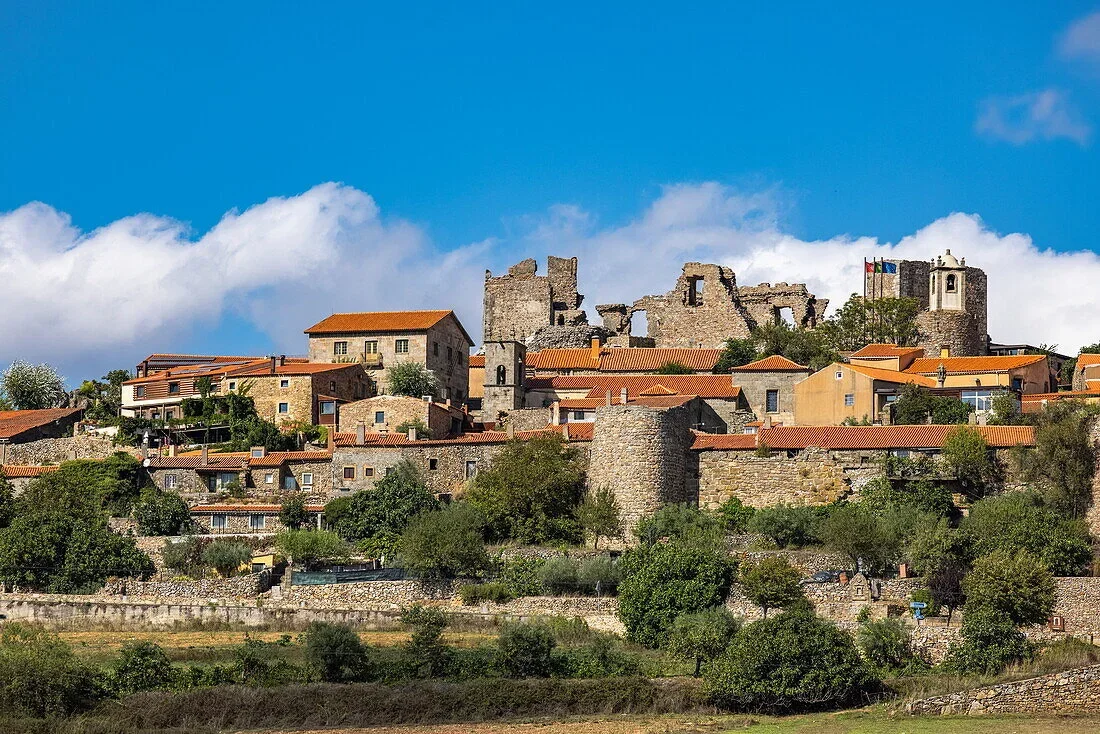
It is in the heart of the mountains that you feel the soul of Portugal's interior: quiet, genuine and powerful. Guarda District offers heritage, nature, snow, trails, great food and hospitality, all without crowds or rush. Every village tells a story and every miradouro (viewpoint) reveals a new perspective on Portugal. Whether you come to breathe deeply, rediscover traditions or savour cheese and chestnuts by the fireside, Guarda always knows how to make you welcome.
Weather now in Distrito de Guarda: 11°C
Distrito de Guarda, Portugal
Saturday, 21 de November de 2026
11 °C
Overcast
FORECAST FOR THE NEXT HOURS
22:00
11 °C
23:00
10 °C
00:00
9 °C
Plan your visit to Distrito de Guarda
Choose how many days you have and what you like, and we'll build an itinerary with real places in the area.
Eventos neste distrito

Explore the area
Municipalities and towns
Frequently asked questions
Leave your comment here
Comments (0)
No comment yet. Be the first to share your experience.